

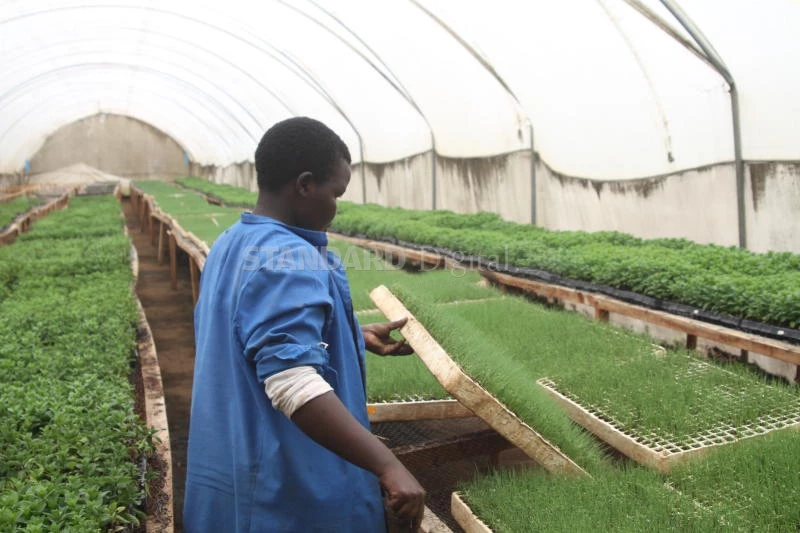
In the greenhouse business, success is often seen as a matter of precision—of getting the right temperature, the right irrigation, and the right lighting at the right time. But the path from seedling to sale is more fragile than it appears. Beneath the surface of day-to-day operations lie a host of hidden vulnerabilities that can erode profit margins, damage crops, or disrupt an entire season’s worth of work.
Greenhouses may offer protection from the unpredictability of open-field agriculture, but they come with risks of their own—some biological, some mechanical, and many financial. To run a truly resilient greenhouse operation, you must think beyond the plants and identify the blind spots that threaten your bottom line. And in this high-stakes environment, having the right greenhouse insurance becomes as essential as pest control or water supply.
Let’s explore the overlooked threats at each stage of the greenhouse lifecycle—and how to prepare for them.
1. The Seedling Stage: Where Tiny Errors Take Root
At first glance, the propagation stage seems the most harmless. But this is where some of the costliest mistakes begin. One contaminated batch of seeds, one missed calibration in humidity settings, or a simple case of human error in plant spacing can introduce vulnerabilities that only surface weeks later.
Key Risks:
- Disease outbreaks from contaminated or improperly stored seed stock.
- Inconsistent germination due to microclimatic fluctuations.
- Fungal infections caused by overwatering or poor ventilation in propagation trays.
Consequences: A poor seedling batch doesn’t just affect early growth—it throws off the entire production timeline, reduces yield consistency, and often leads to higher waste and replanting costs. Worse, the problem may not be visible until it’s too late to fix.
2. Infrastructure Dependencies: Technology That Can Turn on You
Modern greenhouses run on automation—climate control systems, LED lighting arrays, fertigation equipment, and timed irrigation setups. This tech-powered infrastructure allows for precision agriculture, but it also introduces complexity. The more sophisticated your setup, the more points of failure it contains.
Key Risks:
- Power surges or outages shutting down ventilation and lighting.
- Sensor failures leading to unnoticed temperature or humidity imbalances.
- Faulty software updates disrupting irrigation cycles or nutrient delivery.
Consequences: A single failed sensor can wreak havoc over an entire zone before the issue is noticed. Crop stress, stunted growth, or even plant loss are just a few outcomes. And without comprehensive greenhouse insurance, the financial blow of system repairs and crop loss can be severe.
3. Pest and Disease Management: The Silent Invaders
One of the most persistent challenges in greenhouse management is keeping pests and pathogens at bay. Greenhouses may create ideal conditions for plant growth—but those same conditions are equally attractive to fungi, mites, and other destructive agents.
Key Risks:
- Over-reliance on chemical treatments that lead to resistance.
- Introduction of pests through workers, equipment, or contaminated inputs.
- Lack of early detection systems for airborne spores or root diseases.
Consequences: A single outbreak can reduce the salability of your crop, halt production lines, and lead to quarantine protocols. The resulting downtime, coupled with the cost of containment and remediation, can seriously damage revenue streams—especially if such losses are not covered by greenhouse insurance that includes pest-related damages.
4. Labour and Human Error: The Cost of Oversight
No greenhouse runs without people, and human error is one of the least predictable—and most expensive—risks. From incorrect planting schedules to accidental overwatering or misapplication of chemicals, the smallest oversights can trigger cascading failures.
Key Risks:
- Inadequate staff training during high-volume seasons.
- Mismanagement of shift work leading to fatigue-related mistakes.
- Failure to adhere to biosecurity protocols, introducing contamination.
Consequences: One poorly trained worker can cause thousands of dollars in losses through a single error. While many growers invest in systems and supplies, few invest equally in workforce protection or operational coverage—something a well-designed greenhouse insurance policy can help secure.
5. Market and Distribution Disruptions: When Profits Slip at the Finish Line
You’ve grown the perfect crop. But profits are only realized when products leave the greenhouse, reach distributors, and sell at a margin that justifies the investment. Many greenhouse businesses ignore this final link in the chain—until it snaps.
Key Risks:
- Transport delays due to weather, supply chain disruptions, or logistics failures.
- Pricing volatility in wholesale markets due to seasonal oversupply.
- Spoilage during shipping from inadequate cold chain protocols.
Consequences: Margins in horticulture are thin to begin with. Even slight disruptions in delivery or shifts in buyer behavior can mean the difference between a profitable batch and a write-off. Greenhouse operators need to not only manage plants but also anticipate fluctuations in the external business environment—and ensure their greenhouse insurance includes business interruption coverage.
What Can You Do? A Proactive Approach to Greenhouse Risk
Resilient greenhouse operations aren’t built on reactive strategies—they thrive on foresight. The most successful greenhouse businesses are those that:
- Regularly audit their systems for hidden vulnerabilities.
- Treat pest and disease management as a year-round priority.
- Invest in staff training as much as infrastructure.
- Integrate business continuity planning into their standard operating procedures.
- And most importantly, secure comprehensive greenhouse insurance that protects against the full spectrum of operational, environmental, and financial risks.
Conclusion: Profit Lies in the Details
The road from seedling to sale is more treacherous than it appears. And while a single vulnerability may seem small in isolation, together they form a network of risks that can quietly derail even the most efficient operation. In a world of tight margins, fluctuating weather, and growing demand, greenhouse success is not just about growth—but about protection.
Greenhouse insurance is no longer a luxury—it’s a necessity for long-term viability. The growers who recognize and address these vulnerabilities early on will not only protect their profits—they’ll secure their place in an increasingly competitive market.
