

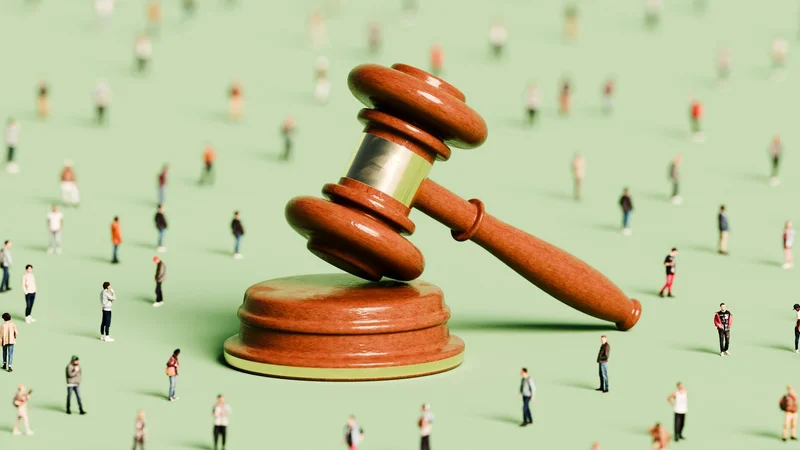
The United States has a reputation for being one of the most litigious countries in the world. To outsiders, it can look over the top. People hear stories about lawsuits over hot coffee or slip-and-fall cases in grocery stores and think the culture has gone too far. But if you take a closer look, the willingness to go to court tells a bigger story about fairness, accountability, and access. The question is not just why Americans sue so much, but whether this tendency creates a system that works better for everyone.
What Does It Mean to Be Litigious?
Litigious simply means that people are ready to use the courts to solve disputes. In the US, lawsuits cover everything from personal injury to business contracts to civil rights.
While it is often framed as negative, the fact that ordinary people can take powerful companies, governments, or even each other to court is a reflection of access. Lawsuits are one of the few ways regular citizens can hold larger systems accountable.
How Did This Culture Develop?
The US legal system is rooted in common law traditions, but its culture of suing is shaped by history and values. Americans put a high value on individual rights. The Bill of Rights, civil rights laws, and consumer protections are all part of that.
Court cases have often pushed society forward. Think of Brown v. Board of Education, which ended racial segregation in schools. Or workplace harassment cases in the 1990s that reshaped corporate policies. Without a litigious culture, many of these changes might never have happened.
Is It Really That Extreme?
Statistics tell a more balanced story. According to the American Bar Association, civil case filings in state courts have been declining over the past decade. At the federal level, lawsuits per capita are not much higher than in other developed countries.
What makes the US stand out is visibility. Court cases get media attention, and websites like Plainsite make it easier for anyone to read filings and track disputes. That transparency feeds the idea that Americans sue over everything. In reality, most disputes are settled before trial.
Why This Can Be a Positive
Accountability
Lawsuits force companies to think twice. When a fast-food chain faced a lawsuit about hot coffee that caused severe burns, it pushed the entire industry to improve safety practices.
Access to Justice
In many countries, legal battles are only for the wealthy. In the US, class action lawsuits let groups of ordinary people band together against corporations.
Cultural Safety Net
The willingness to sue also creates a kind of backstop. If your rights are violated, you know there’s a mechanism to fight back. Even if you never use it, the option itself provides security.
Where People See It Go Wrong
Critics often point to “frivolous lawsuits.” These are cases that seem to waste time and money. While some exist, judges can and do dismiss them quickly. In fact, less than 2 percent of federal civil cases go to trial. The rest are filtered out through settlements, dismissals, or rulings.
A lawyer once explained it this way: “The courtroom is like a gate. Most cases never make it through. The ones that do are usually serious.”
How Businesses Should Think About It
If you run a business in the US, lawsuits are a reality. That doesn’t mean you should fear them. It means you should plan.
- Strong contracts keep expectations clear.
- Good customer service prevents disputes before they escalate.
- Insurance coverage can protect against the biggest risks.
One small business owner in Chicago said that after being sued over a contract dispute, they completely rewrote their onboarding process. “It was stressful, but the lawsuit made us better,” he said. “Now our agreements are clear, and we haven’t had a single issue since.”
How Consumers Can Use the System Wisely
For individuals, knowing that the courts are there gives leverage. If you’ve been wronged by a landlord, employer, or service provider, you don’t have to accept it quietly.
That said, lawsuits are not always the best first step. Mediation, arbitration, or even direct negotiation can resolve many issues faster. Court should be a last resort, but having it as an option changes the balance of power in every relationship.
- Document everything. Keep receipts, contracts, and emails. Paper trails protect you.
- Know your rights. Many disputes come from misunderstandings of what the law allows.
- Stay professional. Whether you are a business or a customer, respectful communication solves more problems than threats.
- Seek advice early. Talking to a lawyer before things escalate can save money and stress later.
Tools and Services That Help
Erase
Erase helps people and businesses manage how court cases, lawsuits, and other sensitive issues show up online. Even if a case was dismissed, search engines may still show it. Erase works to reduce the visibility of harmful results and protect reputations.
Reputation Recharge
Reputation Recharge specializes in helping professionals and small businesses rebuild after negative press or disputes. They focus on creating positive content and improving search visibility so one case doesn’t define a person or brand.
Brand24
Brand24 tracks online mentions across news sites, blogs, and social platforms. If a legal dispute starts getting traction online, you can see it early and manage the narrative before it spirals.
Why It’s Not All Bad
Being litigious doesn’t just mean Americans love to sue. It means people believe in fairness enough to fight for it. It means companies can’t ignore safety or honesty without risking consequences. And it means individuals have power, not just institutions.
Sure, some cases sound silly. But behind most lawsuits is someone who felt wronged and wanted to make it right. That impulse, messy as it can be, is tied to progress.
Final Thoughts
So, is the US too litigious? Maybe. But that culture also ensures accountability, transparency, and access to justice. For businesses, it’s a reminder to stay fair and clear. For individuals, it’s proof that your voice matters.
At the end of the day, being quick to sue is really being quick to demand fairness. And that’s not such a bad reputation to have.
