

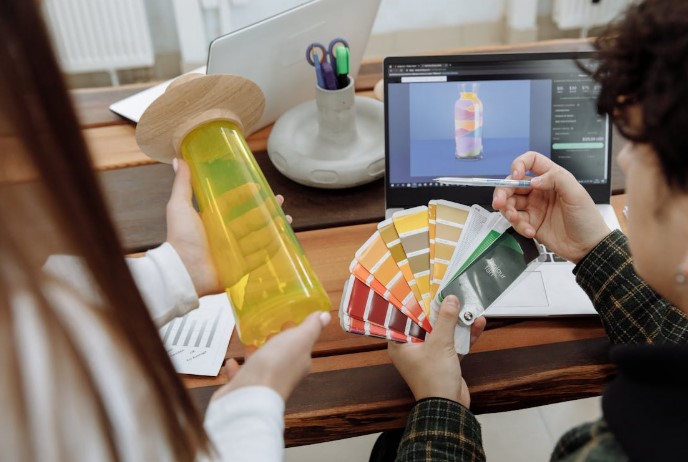
What’s the first thing you notice when opening an app or landing on a website? Is it the colours, the images, or how clean it looks? Most people don’t even realise it, but their eyes register design before anything else. This split-second judgement sets the tone for the entire user experience.
That first glance matters. Visual design isn’t just about aesthetics—it shapes how people feel about a digital experience before they click a button. A good design can immediately make something seem simple, enjoyable, or trustworthy.
And it doesn’t stop there. Visual design quietly enhances how we navigate and engage with digital spaces daily. From helping us find what we need to making experiences more enjoyable, it plays a subtle but essential role in our digital lives.
Emotional Connection and Enjoyment
Design affects how people feel while using a digital product. It’s often the emotional layer that encourages users to stay engaged. Bright colours can energise, while soft tones can create a calming effect.
Animations, imagery, and visual patterns can make even routine tasks more engaging and appealing. For example, a well-designed meditation app with soothing colours and fluid animations can foster a serene environment for users.
That impact extends across everyday apps and platforms. Scrolling through a feed or navigating game menus feels seamless when the design works well. For example, playing online slots involves more than just luck. The visuals, sound effects, and motion on screen help hold attention and heighten enjoyment.
Engagement often depends on how design aligns with user behaviour. People are more likely to return when a product looks and feels right. Thoughtful design builds habits by crafting spaces that feel intuitive and satisfying.
First Impressions Matter
Users typically decide within seconds whether they’ll stay on a digital platform, and those snap decisions are primarily driven by what they see. A cluttered interface or clashing colours can quickly push users away.
Conversely, a neat and consistent layout sends a positive message. It suggests thoughtfulness and reliability. When an app or site looks well-organised, users are more inclined to trust it and explore further. That said, trust begins with visual consistency and thoughtful presentation.
Even seemingly minor choices like spacing and typography significantly influence how a product is perceived. The experience feels more polished and professional when all elements work in harmony. Simple, deliberate design choices lay the groundwork for strong first impressions and user comfort.
Clear design isn’t just about appearance; it also improves functionality. It helps users find what they need without second-guessing, making the overall experience smoother and more intuitive.
If a platform feels difficult to use, many users will simply leave. Familiar icons, informative labels, and well-placed tools are crucial. They reduce friction—anything that complicates interaction—and make actions feel effortless.
When navigation is easy, users are more likely to stick around. Every second saved through a thoughtful layout contributes to a more engaging experience. In this sense, design serves as a guide, not just a visual layer.
Accessibility and Inclusion
Not everyone experiences digital content similarly, so visual design must accommodate a broad range of needs. Layout and styling can support or hinder access for users with vision impairments or cognitive challenges.
Strong design includes high contrast between text and background, legible fonts, and structured pages. These elements not only aid those with accessibility requirements but also improve usability for everyone.
Designing for inclusivity benefits all users. A clear and well-organised layout reduces confusion and speeds up interaction. When accessibility is considered from the beginning, the result is a more effective and welcoming experience for all.
Support for Understanding and Retention
Design also influences how people absorb and retain information. Content that’s broken into smaller sections is easier to digest. Large blocks of text can be overwhelming, but clear headings, bullet points, and visuals help sustain attention.
Simple icons or graphics convey messages more effectively than text alone. When something seems complex, a visual representation—like a chart or illustration—can make it more accessible. These aids help users understand information quickly and remember it for longer.
Effective design lightens the mental load. Users can focus on the content rather than spending energy deciphering layout or formatting. This shift makes a noticeable difference in how well people engage with and retain information online.
Final Words
Design is more than decoration—it’s the language of digital interaction. A strong visual layout improves clarity, usability, and enjoyment.
Next time you’re online, take a moment to notice what grabs your attention first. Chances are, it’s a subtle piece of design that is doing a great job. And once you see it, you’ll never look at your screen the same way again.
