

Law firms deal with more than just legal matters. They also manage large volumes of sensitive information, from client records to case documents and internal communications. With growing digital workloads, the risk of data exposure increases. Protecting that information is not optional; it is essential for maintaining trust and meeting regulatory requirements.
Behind the software tools that help law firms operate more efficiently, legal software companies are focused on something deeper: safeguarding every file, login, and transaction from unauthorized access or misuse.
Encryption and Permission-Based Access
Modern platforms use encryption to lock down information both in storage and during transmission. This means documents stay unreadable to outsiders as they move between users or systems. Even if someone intercepts the data, they cannot make sense of it without the right decryption key. In addition to encryption, strong access control ensures only the right people can see specific files. Administrators can assign permission levels by role, client, or task. By keeping access restricted, firms reduce internal risks and maintain compliance with privacy requirements.
Cloud Hosting and Backup Protection
Legal teams increasingly rely on cloud-based platforms for flexibility and remote access. That shift comes with responsibility. Trusted providers host their services in highly secure data centers equipped with physical and digital protections. These centers are often certified to meet global standards for data security. Routine backups are also part of the system. If files are deleted, changed by mistake, or compromised by malware, the platform can quickly restore a clean version. This ensures minimal disruption and supports business continuity at all times.
Built-In Compliance with Regulatory Standards
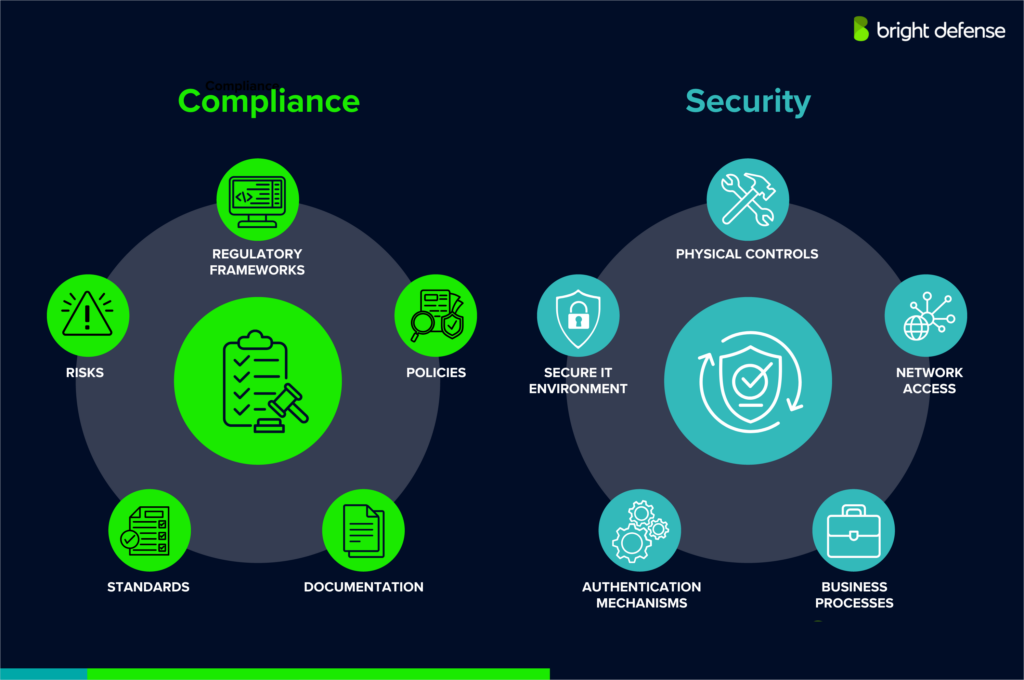
Security is not only about keeping outsiders out. Legal platforms must also follow laws that govern how data is handled, stored, and shared. These include standards like GDPR, HIPAA, and local data residency laws. Systems are designed to follow these rules automatically, reducing the manual work firms would otherwise need to manage. Some platforms offer audit logs that track who accessed each document and when. These records are valuable during internal reviews and external audits, providing clear proof of policy compliance.
User Authentication and Activity Alerts
Password protection is no longer enough. Two-factor authentication has become a standard feature on many legal platforms. Users are asked to verify their identity using a mobile device or code, which adds an extra layer of protection against stolen credentials. Monitoring also plays a role. Systems can detect unusual activity, such as multiple logins from unfamiliar locations or unexpected file downloads. When something suspicious happens, administrators receive instant alerts. In some cases, user access can be temporarily suspended while the issue is reviewed.
Regular Security Updates and Independent Testing
Security does not stand still. Developers release regular updates to address new risks and close system gaps. These updates often include fixes for vulnerabilities before they become serious threats. To stay ahead of attackers, many platforms also invite third-party experts to run security tests. These independent assessments identify weaknesses and confirm that the system can withstand real-world hacking methods.
Protecting legal data requires more than basic tools. It takes a focused strategy built into every part of a platform. Legal software companies meet this need by combining strong encryption, secure access, compliance features, and constant system improvements. Law firms that choose the right partner gain more than digital convenience. They gain the confidence that their data is safe and their operations remain compliant. Now is the time to prioritize secure solutions that match the demands of modern legal work.
