

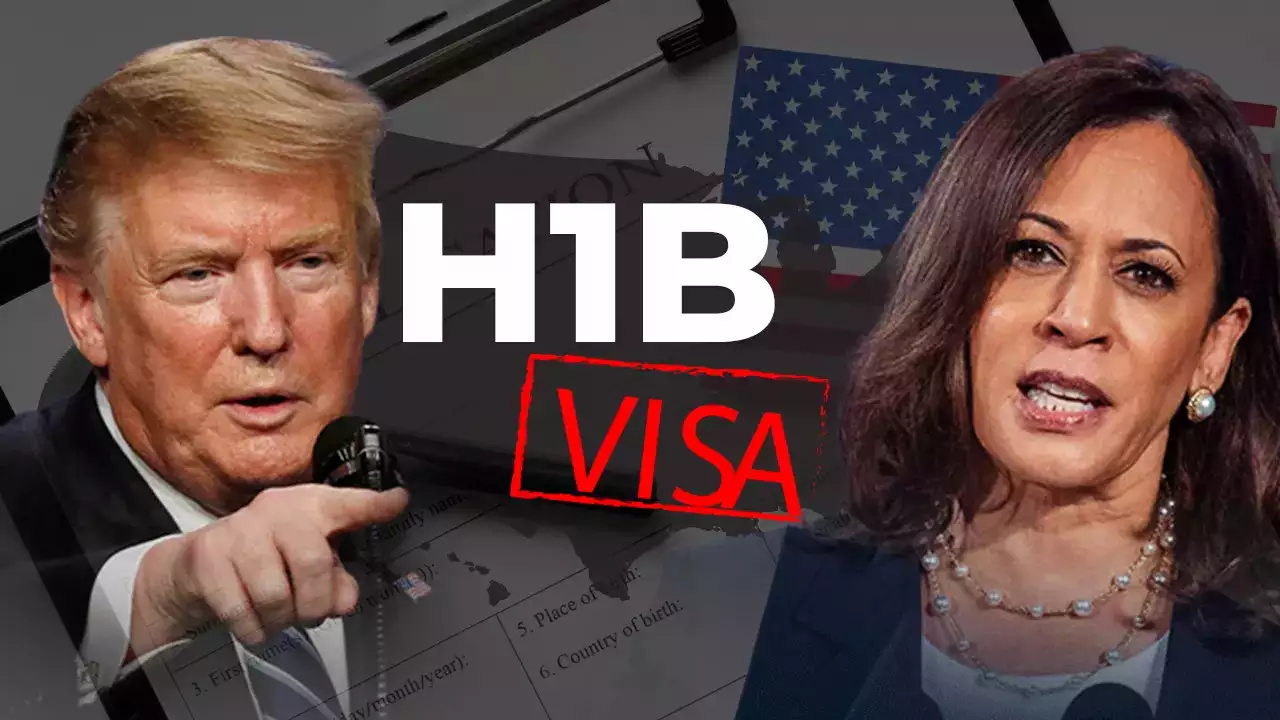
The(H-1B Visa Trump) H-1B visa program, which allows skilled foreign professionals to work in the United States, underwent major transformations under former President Donald Trump. His administration introduced stricter regulations, higher rejection rates, and increased scrutiny, making the H-1B application process more challenging than ever before.
Trump’s “Buy American, Hire American” (BAHA) executive order, issued in 2017, aimed to protect American jobs by tightening H-1B eligibility requirements. This led to policy changes affecting U.S. tech companies, international students, and skilled foreign workers.
Key areas impacted by Trump’s H-1B policies include:
- Increased denial rates due to stricter interpretations of specialty occupation requirements.
- Changes in the H-1B lottery system favoring higher wage earners.
- Legal battles and lawsuits challenging the new visa policies.
- Greater worksite audits to detect fraud and misuse of H-1B visas.
These changes left a lasting impact on U.S. immigration policies, shaping the current and future landscape of skilled foreign employment in the country.
Trump Administration’s Policies on H-1B Visa
The Trump administration introduced several reforms targeting the H-1B visa program, arguing that it was being misused to replace American workers with cheaper foreign labor.
Key H-1B Policies Under Trump:
- Stricter Specialty Occupation Definition: Applicants had to prove their degree directly related to the job.
- Higher Wage Requirements: Employers had to pay foreign workers more to ensure they weren’t undercutting U.S. workers.
- Increased Worksite Inspections: The Department of Labor (DOL) and USCIS conducted more audits and site visits.
- Extended Processing Delays: Applications faced longer wait times due to additional scrutiny.
- More Requests for Evidence (RFEs): USCIS issued more RFEs, forcing applicants to submit extra documentation to prove eligibility.
While these policies aimed to prioritize American workers, they also made it harder for U.S. companies to hire skilled foreign professionals, leading to worker shortages in tech, healthcare, and engineering sectors.
Increase in H-1B Visa Denial Rates
During the Trump administration, H-1B visa denial rates skyrocketed, making it increasingly difficult for foreign workers to secure employment in the U.S..
Factors Contributing to Higher Denial Rates:
- Stricter Eligibility Standards: USCIS rejected petitions that failed to show a direct degree-job match.
- Increased RFEs: More applicants were asked to provide additional proof, leading to delays and rejections.
- Policy Shifts Without Congressional Approval: Some policy changes bypassed Congress, creating legal battles over their validity.
According to data from USCIS, the denial rate for initial H-1B applications increased from 6% in 2015 to nearly 30% by 2020. This surge in denials disrupted hiring for tech giants like Google, Microsoft, and Amazon, as well as small businesses and startups.
Changes in H-1B Visa Cap and Lottery System
The H-1B visa cap remained at 85,000 per year, but Trump’s policies altered the lottery system, favoring higher-paid workers over entry-level employees.
Major Changes to the Lottery System:
- Pre-Registration System Introduced: Employers had to register online before submitting full petitions.
- Salary-Based Selection Priority: Instead of random selection, priority was given to higher wage earners.
- Fewer Visas for Entry-Level Positions: Those with lower salaries had a reduced chance of selection.
These changes benefited highly skilled professionals earning top-tier salaries but disadvantaged younger workers and recent graduates seeking entry-level jobs.
Proposed Merit-Based System for H-1B Visas
Trump advocated for a merit-based immigration system, arguing that H-1B visas should be awarded to the most highly skilled and highest-paid applicants.
Key Features of the Proposed Merit-Based System:
- Preference for Advanced Degrees: Priority for applicants with Master’s and Ph.D. degrees from U.S. institutions.
- Emphasis on Higher Salaries: Employers offering higher wages would have better chances of securing visas.
- Reduced Dependence on the Lottery: The process would be less random and more focused on qualifications.
While this system was never fully implemented, its principles influenced Biden-era reforms, shaping current H-1B policies.
Impact on U.S. Employers and Tech Industry
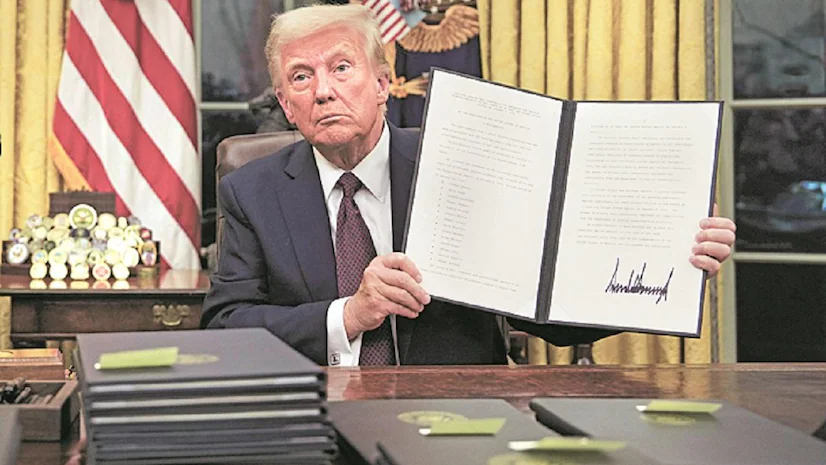
The tech industry, which heavily relies on H-1B workers, was deeply affected by Trump’s immigration policies.
How Trump’s H-1B Policies Affected Tech Companies:
- Talent Shortages: Stricter rules made it harder to hire top international talent.
- Delayed Hiring Processes: Increased denial rates and RFEs led to longer onboarding times.
- Higher Costs: New wage requirements forced companies to spend more on H-1B employees.
Despite these challenges, major firms like Google, Apple, and Facebook continued to push for immigration reform, advocating for increased visa availability and smoother processing systems.
Immigration Enforcement and Worksite Audits
The Trump administration ramped up worksite audits, ensuring that employers complied with H-1B regulations.
Increased Immigration Enforcement Measures:
- Frequent Employer Inspections: USCIS visited workplaces to verify H-1B job authenticity.
- Crackdown on Third-Party Worksites: Companies placing H-1B workers at client locations faced higher scrutiny.
- Stronger Fraud Detection: More cases of visa fraud and misuse were investigated, leading to penalties.
These enforcement actions added pressure on businesses, forcing them to maintain extensive documentation to avoid legal issues.
Legal Challenges and Court Rulings on H-1B Policies
Many of Trump’s H-1B policies faced legal challenges, with courts overturning several restrictive immigration measures.
Key Court Rulings Impacting H-1B Policies:
- Blocked Wage Increases: Courts ruled against sudden wage hikes for H-1B workers.
- Reversal of Specialty Occupation Denials: Some rejections were deemed unlawful, allowing previously denied applicants to reapply.
- Halt on Worksite Restrictions: Judges prevented strict worksite regulations from being enforced.
These rulings provided temporary relief for employers and applicants but left uncertainty about future H-1B policies.
Trump’s Influence on Future H-1B Reforms
Despite leaving office, Trump’s influence on immigration policy remains strong. Many of his H-1B restrictions set the stage for ongoing debates on how the program should evolve.
Potential Future Changes Inspired by Trump’s Policies:
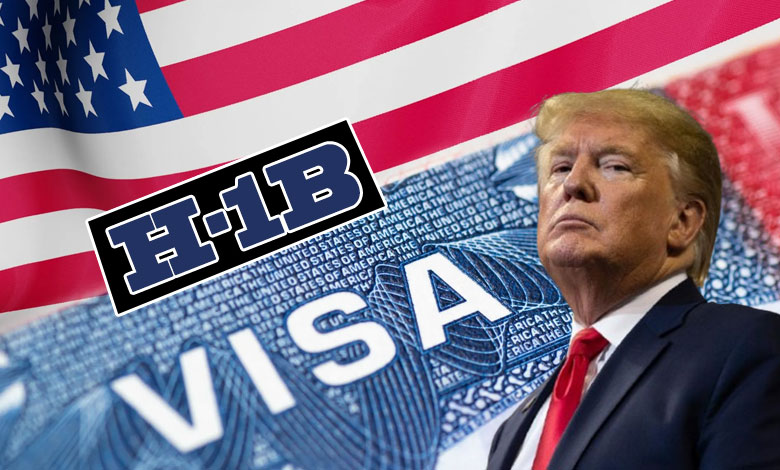
- Stronger Employer Accountability: More audits and verification processes could become permanent.
- Higher Salary Thresholds: Future H-1B policies may continue prioritizing high-wage workers.
- Revised Lottery System: Lawmakers may push for a merit-based selection process over the random lottery.
While Biden has reversed some Trump-era restrictions, many of his reforms still reflect the policies introduced during Trump’s presidency. The H-1B program’s future remains uncertain, with potential policy shifts depending on political leadership.
Public and Political Debate on H-1B Visas
The H-1B visa program has been at the center of intense public and political debates, especially during Trump’s presidency. Supporters argue that H-1B visas bring top talent to the U.S., while critics claim they take jobs from American workers.
Key Arguments in the H-1B Debate:
- Supporters’ Perspective:
- Helps U.S. companies stay competitive in tech and healthcare.
- Attracts highly skilled professionals and innovators.
- Contributes to economic growth and job creation.
- Opponents’ Concerns:
- Some companies allegedly exploit the system to hire cheaper labor.
- U.S. workers face higher competition and wage suppression.
- Some visa holders struggle with unfair employment practices.
Trump’s immigration policies intensified these debates, leading to stricter rules that pleased some but disrupted businesses relying on foreign talent. The political battle over H-1B reforms continues, with different administrations taking opposing stances on the issue.
Effects of Trump’s Policies on Skilled Immigrants
Trump’s strict H-1B policies created major hurdles for skilled immigrants, affecting their job prospects, legal status, and career growth.
Challenges Faced by H-1B Workers:
- Higher Denial Rates: Many qualified professionals saw their visa applications rejected.
- Increased Job Insecurity: Delays in renewals forced some workers to leave the U.S..
- Difficulties in Career Advancement: Stricter rules limited job mobility for H-1B holders.
- H-4 Work Restrictions: Trump attempted to ban work permits for spouses of H-1B workers, creating financial hardships for families.
Despite these challenges, many skilled immigrants remained in demand, especially in the tech and healthcare industries, where U.S. companies struggled to find local talent.
Comparison of H-1B Visa Policies Before and After Trump
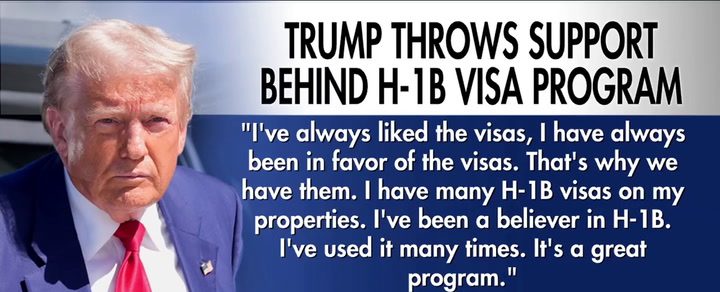
Trump’s presidency brought significant changes to H-1B visa policies compared to previous administrations.
H-1B Visa Policies Before Trump (Obama Era):
- Lower denial rates and smoother application processes.
- More flexibility for skilled immigrants in changing jobs.
- Encouragement for STEM graduates to stay in the U.S.
H-1B Visa Policies Under Trump:
- Increased denials and stricter eligibility checks.
- Salary-based lottery system favoring high-wage workers.
- More worksite inspections and employer audits.
Trump’s restrictive approach made it harder for skilled professionals to work in the U.S., while Biden’s policies have since reversed some of these measures to restore flexibility.
Frequently Asked Questions on H-1B Visa Under Trump
Did Trump ban H-1B visas?
Trump temporarily suspended H-1B visas in 2020, citing the pandemic’s impact on U.S. jobs.
Why did Trump increase H-1B denials?
His administration argued that H-1B visas were being misused and implemented stricter eligibility rules.
Did Trump’s policies affect H-1B visa holders’ spouses?
Yes, he attempted to revoke work permits for H-4 visa holders, mainly affecting women from India and China.
Did Trump favor a merit-based immigration system?
Yes, he proposed a system prioritizing high salaries and advanced degrees.
How did Trump’s H-1B policies impact U.S. companies?
Many businesses, especially in tech and healthcare, faced talent shortages and higher hiring costs.
Conclusion of H-1B Visa Trump
Trump’s H-1B policies reshaped U.S. immigration, leading to stricter regulations, higher denial rates, and talent shortages. While his administration aimed to protect American jobs, the changes disrupted industries reliant on skilled foreign workers.
The lasting impact of Trump’s H-1B reforms continues to shape current immigration policies, sparking debates on how to balance economic needs with job protections for American workers.
