

A CR1 Visa (Conditional Resident Visa) is designed for foreign spouses of U.S. citizens, allowing them to live and work permanently in the United States.
Unlike other visas, the CR1 grants a conditional green card upon arrival, which must be converted into a permanent green card after two years. This visa is perfect for couples who want to build a life together in the U.S.
What is a CR1 Visa?
The CR1 Visa (Conditional Resident Spouse Visa) is a family-based immigrant visa issued to a foreign spouse of a U.S. citizen. The “CR” stands for Conditional Resident, meaning the green card is temporary for two years. The primary goal of the CR1 visa is to ensure genuine marriages before granting permanent residency.
Key Features:
- Allows permanent residence in the U.S.
- Grants work authorization automatically upon arrival.
- The spouse receives a conditional green card for two years.
- Requires removal of conditions after two years to get a permanent green card.
Eligibility Requirements for a CR1 Visa
To qualify for a CR1 Visa, both the U.S. citizen petitioner and the foreign spouse must meet specific criteria:
- The petitioner must be a U.S. citizen (green card holders are not eligible for CR1).
- The marriage must be legally recognized in the country where it took place.
- The couple must prove a bona fide marriage (not for immigration benefits).
- The petitioner must meet financial requirements, proving they can support their spouse.
- The foreign spouse must pass medical and background checks.
CR1 Visa vs. IR1 Visa: Key Differences
Both the CR1 and IR1 Visas allow spouses of U.S. citizens to immigrate, but they have some important distinctions:
| Feature | CR1 Visa | IR1 Visa |
| Residency Status | Conditional (2 years) | Immediate (10-year green card) |
| Marriage Duration Requirement | Less than 2 years | More than 2 years |
| Removal of Conditions Required? | Yes, after 2 years | No |
| Work Authorization | Automatic upon arrival | Automatic upon arrival |
Which one is better?
If your marriage is less than 2 years old, you must apply for the CR1 Visa. If married for over 2 years, you qualify for the IR1 Visa, which grants a 10-year green card without conditions.
Step-by-Step Application Process for a CR1 Visa
Applying for a CR1 Visa involves several steps and requires patience. Below is a step-by-step breakdown:
- File Form I-130 (Petition for Alien Relative) – The U.S. citizen spouse submits this form to USCIS.
- USCIS Review and Approval – Processing can take 6-12 months before being forwarded to the National Visa Center (NVC).
- Submit Form DS-260 (Immigrant Visa Application) – The foreign spouse completes this online form.
- Submit Affidavit of Support (Form I-864) – The U.S. citizen must prove they can financially support their spouse.
- Medical Examination and Vaccinations – The foreign spouse must undergo a medical checkup by an approved physician.
- Attend the U.S. Embassy Interview – The final step before visa approval.
- Receive Visa and Travel to the U.S. – Once approved, the foreign spouse enters the U.S. and receives a conditional green card.
Required Documents for a CR1 Visa Application
To avoid delays, ensure you submit all necessary documents, including:
- Form I-130 (Petition for Alien Relative)
- Proof of U.S. citizenship (passport, birth certificate, naturalization certificate)
- Marriage certificate
- Proof of genuine marriage (photos, joint bank accounts, messages, affidavits)
- Medical examination results
- Form DS-260 (Visa application form)
- Affidavit of Support (Form I-864)
- Police clearance certificate from any country lived in for 6+ months
CR1 Visa Processing Time and Fees
Processing time for a CR1 Visa can take 12 to 18 months, depending on USCIS workloads and embassy interview availability.
| Fee Type | Cost |
| Form I-130 Filing Fee | $535 |
| NVC Processing Fee (DS-260 & Affidavit of Support) | $445 |
| Medical Exam Fee | Varies by country ($100-$500) |
| USCIS Immigrant Fee | $220 |
| Total Estimated Cost | $1,300+ |
Interview Process for a CR1 Visa
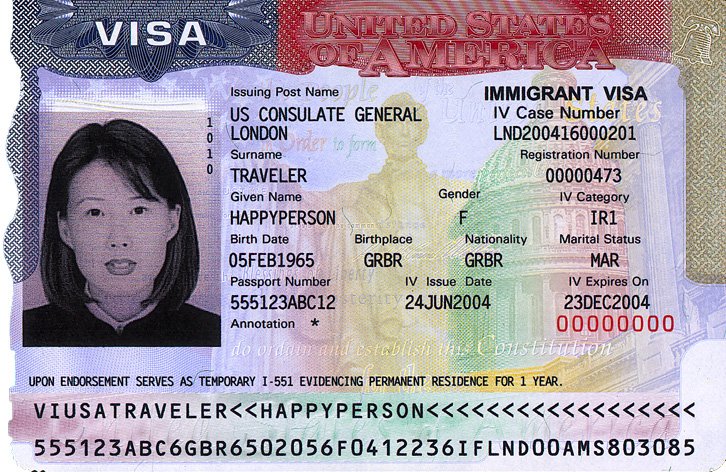
The interview at the U.S. embassy is a critical step in the process. The consular officer will ask questions about your marriage to ensure it is genuine.
Common Interview Questions:
- How did you meet your spouse?
- When and where was your wedding?
- What are your spouse’s hobbies and interests?
- Have you met your spouse’s family?
- Where do you plan to live in the U.S.?
Tips for Success:
- Be honest and confident in your answers.
- Bring all required documents and proof of your relationship.
- Dress professionally to make a good impression.
Common Reasons for CR1 Visa Denial and How to Avoid Them
Visa denials are often due to incomplete paperwork or suspicious marriages. Avoid these common mistakes:
- Insufficient proof of marriage – Provide photos, joint bank accounts, and affidavits.
- Financial ineligibility – Ensure the U.S. spouse meets the minimum income requirement.
- Missing documents – Double-check that all forms and supporting evidence are included.
- Inconsistent answers during the interview – Stay truthful and prepared to answer questions.
- Criminal or medical issues – Certain criminal offenses or health conditions may lead to denial.
Rights and Benefits of CR1 Visa Holders
A CR1 Visa grants foreign spouses of U.S. citizens the right to live, work, and travel freely in the United States. Unlike temporary visas, the CR1 offers permanent residence benefits, making it one of the best pathways for married couples.
Key Rights and Benefits:
- Permanent Residency – CR1 visa holders receive a conditional green card upon arrival.
- Work Authorization – No need for an additional work permit; the green card allows immediate employment.
- Social Security Number (SSN) – The visa holder can apply for an SSN, which is essential for work, taxes, and benefits.
- Free Travel – Allows unlimited travel in and out of the U.S., unlike temporary visas.
- Access to Healthcare & Education – Eligible for state-funded healthcare programs and in-state tuition rates at universities.
- Path to U.S. Citizenship – After three years of marriage, CR1 holders can apply for naturalization.
Adjusting Status from CR1 to IR1 Visa
Since the CR1 Visa grants a conditional green card valid for two years, visa holders must remove conditions before obtaining an IR1 Visa (Immediate Relative Green Card).
Steps to Adjust Status from CR1 to IR1:
- File Form I-751 (Petition to Remove Conditions on Residence) – Submit within 90 days before your green card expires.
- Provide Evidence of a Real Marriage – Include documents like joint bank accounts, lease agreements, and family photos.
- Attend a USCIS Interview (if required) – In some cases, couples must prove their marriage is legitimate.
- Receive the IR1 Visa (10-Year Green Card) – Once approved, the foreign spouse gets a permanent green card without conditions.
Why is this important?
If the foreign spouse does not remove conditions in time, they risk losing their residency status and facing deportation.
Tips for a Successful CR1 Visa Application

- Submit a complete application – Avoid missing forms or documents that could delay processing.
- Provide strong proof of a bona fide marriage – Include wedding photos, financial records, and communication history.
- Meet the financial requirements – The U.S. citizen petitioner must meet or exceed the poverty guidelines to sponsor their spouse.
- Prepare for the visa interview – Be ready to answer questions confidently about your marriage and future plans.
- File Form I-751 on time – Don’t forget to remove conditions before the two-year green card expires.
Frequently Asked Questions About the CR1 Visa
How long does it take to process a CR1 Visa?
Processing can take 12-18 months, depending on the case and embassy workload.
Can I work immediately after arriving in the U.S.?
Yes! CR1 Visa holders can work legally without applying for an EAD (Employment Authorization Document).
What happens if my CR1 Visa application is denied?
If denied, USCIS will provide a reason. You may appeal the decision or reapply with stronger supporting evidence.
Can I travel outside the U.S. on a CR1 Visa?
Yes, but ensure you don’t stay abroad for more than six months to avoid problems when re-entering.
Does my CR1 Visa expire?
The visa itself is for entry purposes only, but the conditional green card is valid for two years. You must apply for an IR1 Visa before it expires.
Conclusion on CR1 Visa
The CR1 Visa is an excellent option for foreign spouses of U.S. citizens, providing a clear path to permanent residency and citizenship. While the process is lengthy and requires patience, careful preparation can lead to a smooth approval.
By meeting eligibility requirements, submitting complete documentation, and proving a genuine marriage, applicants can successfully reunite with their spouses in the U.S. and enjoy the rights and benefits of permanent residency.
