

Visa Stamping in USA is a crucial step for non-immigrants entering or re-entering the U.S. It serves as official proof that an individual has been granted a visa by a U.S. consulate or embassy outside the country. Without a valid visa stamp, individuals may not be allowed to board a flight to the U.S. or re-enter after traveling abroad.
Many people confuse visa stamping with visa status. While a visa stamp is a physical sticker in the passport allowing entry, visa status refers to the conditions of stay within the U.S., determined by documents like an I-94 record. Understanding this distinction is crucial for maintaining legal stay and avoiding immigration issues.
This guide covers everything about visa stamping in the USA, including the process, required documents, restrictions, and eligibility. Whether you’re applying for an H-1B, L-1, F-1, or B1/B2 visa, this article will help you navigate the process smoothly.
What is Visa Stamping in the USA?
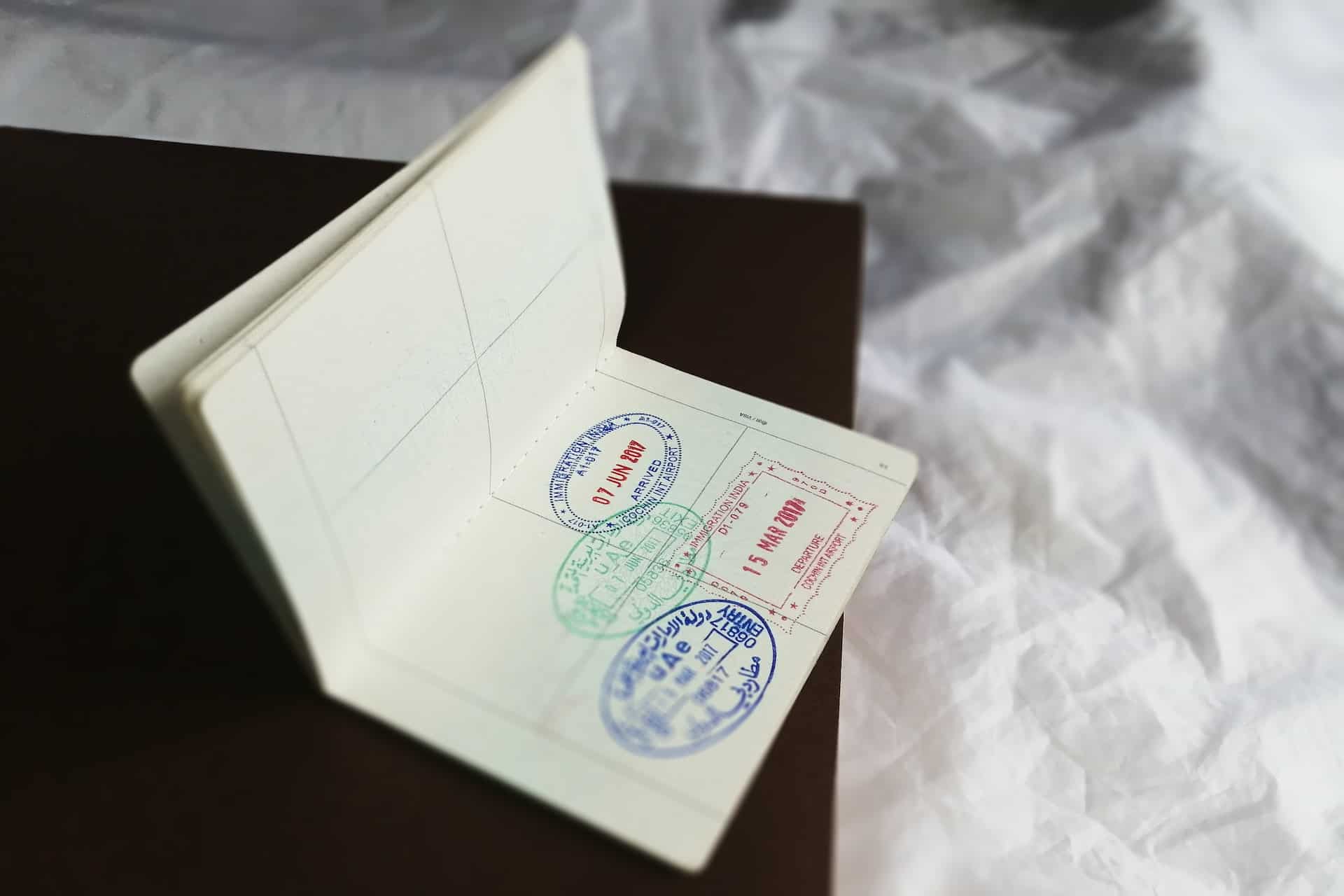
Visa stamping is the process of obtaining a visa endorsement on a passport at a U.S. consulate or embassy. This stamp signifies that an individual is authorized to enter the U.S. for a specific purpose, such as work, study, or tourism.
Why is Visa Stamping Required?
- It is necessary for first-time visa holders to enter the U.S. legally.
- If a visa expires, travelers must obtain a new stamp before re-entering.
- It serves as official proof of a valid visa for U.S. Customs and Border Protection (CBP).
Without a valid visa stamp, airlines and border officials may deny entry, even if an individual has a valid visa status.
Can You Get Visa Stamping in the USA?
A common question among visa holders in the U.S. is whether they can renew or obtain a new visa stamp without leaving the country. Currently, the U.S. does not allow visa stamping inside its borders, except for certain pilot programs that are being tested.
Key Points on Visa Stamping Restrictions
- Visa renewal is different from visa stamping. You can extend visa status (e.g., H-1B extension) but still need to travel abroad for stamping.
- The only option for visa stamping is to visit a U.S. consulate or embassy in another country.
- Certain categories, like diplomatic visas, may qualify for domestic visa renewals.
To ensure smooth visa stamping, always plan international travel accordingly and book visa appointments in advance.
Visa Stamping Process: Step-by-Step Guide
Visa stamping requires careful preparation and following specific steps at a U.S. consulate or embassy.
Step 1: Complete the DS-160 Form
- Fill out the DS-160 form online and print the confirmation page.
Step 2: Pay the Visa Application Fee
- Fees vary by visa type and must be paid before scheduling an appointment.
Step 3: Schedule a Visa Interview
- Book an appointment at a U.S. consulate or embassy in your home country or a third country that allows visa processing.
Step 4: Attend the Visa Interview
- Carry all required documents, including passport, I-797 approval, and employment verification letter.
- Answer the officer’s questions honestly about your stay, job, or study in the U.S.
Step 5: Visa Approval and Passport Collection
- If approved, the passport is returned with the new visa stamp. Processing times vary but typically take 5–7 business days.
Planning ahead and having the correct documents is crucial for avoiding delays or rejections.
Types of Visas That Require Stamping
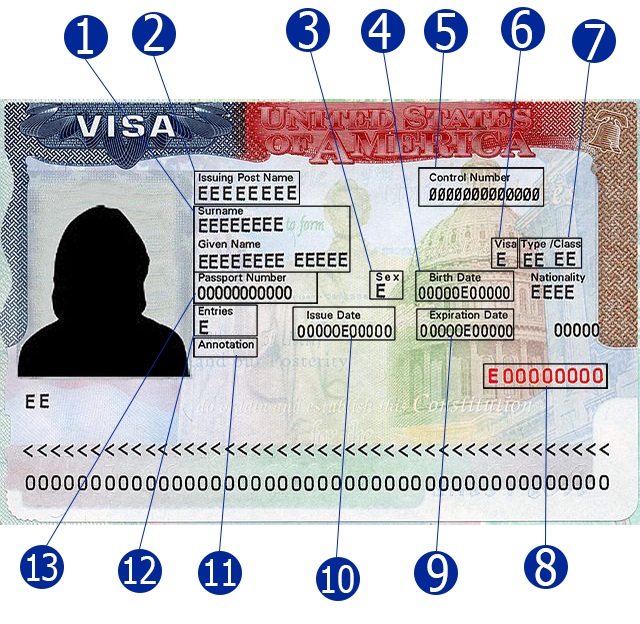
Visa stamping applies to various non-immigrant visa categories, each with different requirements.
Work Visas:
- H-1B – For specialty occupations (e.g., IT professionals, engineers).
- L-1 – For intra-company transferees.
- O-1 – For individuals with extraordinary abilities.
Student & Visitor Visas:
- F-1 – For students attending U.S. schools or universities.
- J-1 – For exchange visitors and research scholars.
- B1/B2 – For business and tourism purposes.
Each visa type has specific documentation and processing requirements, so ensure compliance before applying.
Documents Required for Visa Stamping
Having the correct documents is essential to avoid delays or denials.
Primary Documents:
- Valid passport (must be valid for at least six months beyond your stay).
- DS-160 confirmation page.
- Visa appointment confirmation letter.
- Visa application fee receipt.
Supporting Documents (Varies by Visa Type):
- H-1B or L-1 visa holders – I-797 approval notice, employer letter, pay stubs.
- F-1 students – I-20 form, SEVIS payment receipt, school transcripts.
- B1/B2 visa holders – Travel itinerary, hotel bookings, invitation letters.
Always double-check the consulate’s specific requirements before your appointment.
How Long Does Visa Stamping Take?
Visa stamping timelines vary depending on location, visa category, and processing delays.
| Processing Step | Estimated Time |
| DS-160 Submission | 1–2 hours |
| Visa Fee Payment | Immediate – 2 days |
| Scheduling an Interview | 1–4 weeks |
| Visa Interview | Same day |
| Passport Processing | 5–10 days |
| Total Time | 2–6 weeks |
Applicants should apply well in advance to account for unexpected processing delays.
Common Visa Stamping Issues & How to Avoid Them
Visa stamping isn’t always straightforward. Some applicants face delays, administrative processing, or rejections.
Common Issues:
- 221(g) Administrative Processing – Requires further review, which can take weeks or months.
- Visa Denials – Often due to incomplete documentation or inability to prove intent.
- Technical Glitches – Delays due to system outages or passport delivery issues.
How to Avoid Delays?
- Submit all required documents accurately.
- Be honest and confident in your visa interview.
- Apply early to allow extra time for processing.
Visa Stamping Locations for U.S. Visa Holders
Visa stamping must be done outside the U.S. at a U.S. embassy or consulate. Choosing the right location is crucial for faster processing and a higher success rate.
Popular Countries for Visa Stamping
- Home Country – Recommended for first-time applicants and renewals.
- Canada – A preferred option for H-1B, F-1, and L-1 visa holders due to shorter wait times.
- Mexico – Popular for visa renewals with a streamlined process for certain visa categories.
How to Find the Best Visa Stamping Location?
- Check appointment availability on the U.S. embassy website.
- Consider visa rejection rates in different countries.
- Look at processing times and administrative delays.
Choosing the right location reduces wait times and increases your chances of approval.
Visa Interview Process and Questions
Visa interviews are an essential part of the visa stamping process, where a consular officer determines whether you meet the visa requirements.
Common Visa Interview Questions
- What is the purpose of your trip to the U.S.?
- Who is your employer (for work visas)?
- Where will you stay in the U.S.?
- Have you been to the U.S. before?
- What are your ties to your home country?
How to Prepare for the Visa Interview?
- Be confident and provide clear, honest answers.
- Carry all required documents (passport, DS-160, I-797, financial records, etc.).
- Practice mock interviews to improve your responses.
A well-prepared interview increases your chances of getting visa approval quickly.
Drop Box Eligibility for Visa Renewal
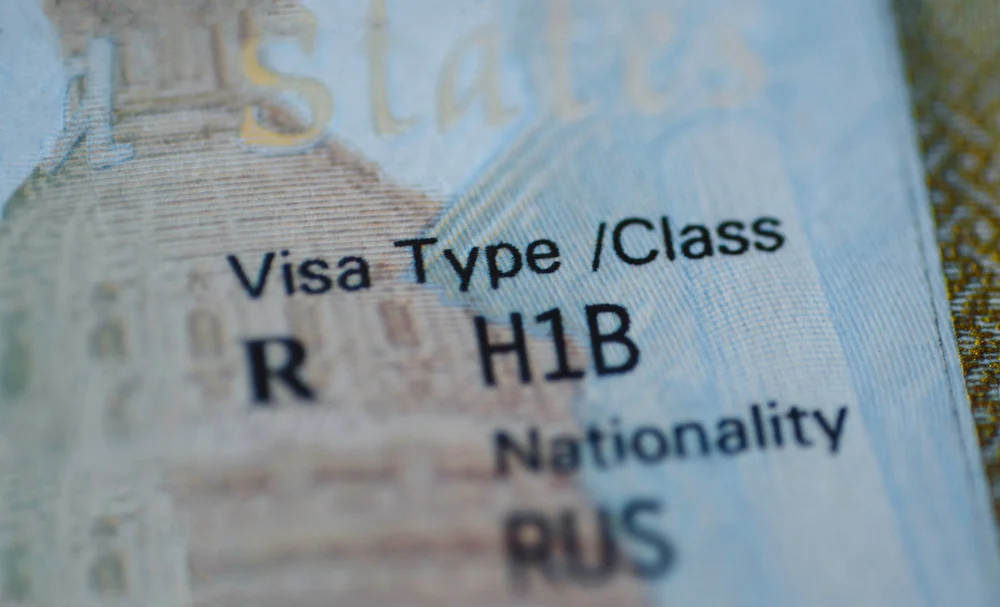
Many visa holders may qualify for dropbox processing, which allows them to renew their visa without an in-person interview.
Who is Eligible for Dropbox?
- Your previous visa is still valid or expired within the last 48 months.
- You are applying for the same visa category.
- Your last visa was issued after the age of 14.
- You have no prior visa rejections.
Steps to Apply for Dropbox Stamping
- Fill out the DS-160 form online.
- Schedule a dropbox appointment and print the confirmation letter.
- Submit required documents (passport, visa photo, I-797, DS-160, etc.).
- Wait for visa processing (usually 7-21 days).
Dropbox stamping is a faster and more convenient way to renew your visa without going through an interview.
Visa Stamping Delays and Administrative Processing
Visa stamping delays are common and can disrupt travel plans. Some applications may go through additional security checks, leading to administrative processing (221g).
Common Reasons for Visa Delays
- Incomplete documentation or missing supporting papers.
- Background verification checks for security clearance.
- High demand at U.S. embassies, causing scheduling delays.
How to Track Visa Application Status?
- Visit the CEAC website to check your visa status online.
- Contact the U.S. consulate or embassy if your case is under administrative processing.
- If there is no update after 60 days, reach out to U.S. immigration authorities.
Proper documentation and preparation can help avoid unnecessary delays.
Alternatives if Visa Stamping is Denied
Visa denial can be frustrating and stressful, but there are ways to reapply or explore alternative solutions.
What to Do If Your Visa is Rejected?
- Review the denial reason given by the U.S. consulate.
- Check if you qualify for reapplying immediately.
- Consider applying at a different U.S. consulate if possible.
Common Visa Rejection Reasons
- Lack of sufficient ties to home country (for B1/B2 visas).
- Inconsistent or misleading answers during the interview.
- Insufficient employer documents (for H-1B and L-1 visas).
Reapplying with stronger documentation and better preparation can increase your approval chances.
FAQs About Visa Stamping in USA
How many days will it take for US visa stamping?
Visa stamping typically takes 5-10 business days, but it can vary based on the U.S. embassy or consulate, administrative processing, and seasonal demand.
Can visa stamping be rejected?
Yes, visa stamping can be rejected due to incomplete documentation, security concerns, visa ineligibility, or discrepancies in the applicant’s information.
How long must a passport be valid for US visa stamping?
Your passport must be valid for at least six months beyond your intended stay in the U.S., unless your country has an exemption agreement.
What is the 6-month rule for US visas?
The 6-month rule states that a passport must be valid for at least six months beyond the traveler’s intended departure date from the U.S..
How long does visa stamping approval take?
If there are no delays, visa stamping approval usually takes 5-10 business days, but administrative processing (221g) can extend this period to weeks or months.
In which case does a visa get rejected?
Visas can be rejected due to incomplete documentation, prior immigration violations, insufficient financial proof, lack of strong home-country ties, or security concerns.
What is the main reason for visa rejection?
The most common reason for visa rejection is failure to prove strong ties to the home country, making the officer suspect the applicant may overstay or misuse the visa.
Conclusion on Visa Stamping in USA
Visa stamping is a critical requirement for non-immigrant visa holders entering the U.S. It serves as official authorization from a U.S. consulate or embassy, confirming that an individual is eligible to travel. Understanding the visa stamping process, required documents, and potential challenges helps applicants avoid complications and delays.
For those on H-1B, F-1, or B1/B2 visas, staying informed about visa stamping policies is essential, especially with changing U.S. immigration rules. Always plan international travel carefully, book your visa appointments in advance, and keep all documents ready to ensure a smooth stamping process.
