


A carton of cigarettes is a bulk packaging option that contains multiple packs of cigarettes, offering convenience and cost savings for smokers. Most cartons hold 10 packs, with 20 cigarettes per pack, totaling 200 cigarettes per carton. These cartons are commonly sold at retail stores, tobacco shops, and duty-free outlets, making them a preferred choice for regular smokers.
Beyond affordability, cigarette cartons provide better storage, longer shelf life, and branding visibility. Manufacturers design cartons with attractive logos, health warnings, and tamper-proof seals to maintain freshness and comply with legal regulations. Many brands also offer limited edition packaging, which appeals to collectors and enthusiasts.
The demand for cigarette cartons varies due to regional regulations, taxes, and smoking trends. Whether purchased for personal use or resale, a carton of cigarettes remains a staple in the tobacco industry, symbolizing both convenience and commercial success.
History and Evolution of Cigarette Cartons
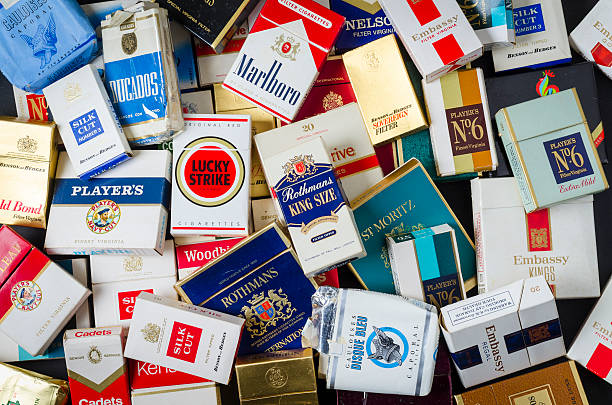
The concept of cigarette cartons emerged in the early 20th century when tobacco companies sought more efficient ways to distribute their products. Initially, cigarettes were sold loose or in small packs, but with rising demand, manufacturers introduced carton packaging for bulk sales. This allowed smokers to buy in larger quantities while ensuring better preservation.
During the mid-1900s, brands such as Marlboro, Camel, and Lucky Strike popularized the use of stylized cartons, featuring bold logos, advertising slogans, and unique color schemes. Over time, governments enforced health warnings and anti-smoking messages on cigarette packaging, leading to graphic warning labels and plain packaging laws in some countries.
Today, cigarette cartons continue to evolve, with companies adopting eco-friendly materials and innovative designs to comply with sustainability goals and consumer preferences. Despite stricter regulations, the cigarette carton remains a symbol of branding and mass marketing in the tobacco industry.
What’s Inside a Carton of Cigarettes?
A carton of cigarettes typically contains 10 packs, each with 20 cigarettes, adding up to 200 cigarettes per carton. However, variations exist depending on the brand and country. Some markets offer special-sized cartons with different quantities to accommodate legal restrictions and consumer preferences.
Typical Contents of a Cigarette Carton:
| Item | Details |
| Number of Packs | Usually 10 packs per carton |
| Cigarettes per Pack | Standard 20 cigarettes per pack |
| Total Cigarettes | 200 cigarettes per carton |
| Additional Items | Health warnings, tax stamps, freshness seals |
Some cartons include special promotions, such as discounted prices, collectible packaging, or loyalty rewards. Certain brands also produce soft packs or hard packs, affecting durability and portability. Regardless of the design, a carton of cigarettes ensures a steady supply for smokers and remains a staple purchase in the tobacco industry.
Popular Cigarette Brands and Their Carton Packaging
Cigarette brands invest heavily in carton packaging design to appeal to different markets. Some focus on luxury branding, while others emphasize affordability and accessibility.
Top Cigarette Brands and Their Packaging Styles:
| Brand | Packaging Features |
| Marlboro | Iconic red and white design, flip-top box |
| Camel | Distinctive desert-themed packaging |
| Newport | Recognizable green color scheme, menthol variety |
| Pall Mall | Classic, budget-friendly, bold logo |
| Dunhill | Premium branding, elegant soft-touch packaging |
Many brands now incorporate QR codes, holograms, and anti-counterfeiting seals on their cartons. Government regulations also require graphic health warnings, which have reshaped how cigarette packaging is presented. Despite these changes, brand recognition remains key, and cigarette cartons continue to play a significant role in consumer appeal.
How Many Packs Are in a Carton of Cigarettes?
A standard carton of cigarettes contains 10 packs, with 20 cigarettes per pack, making a total of 200 cigarettes. However, this number may vary in some regions due to local laws, brand variations, and packaging preferences.
Variations in Carton Sizes:
| Carton Type | Number of Packs | Total Cigarettes |
| Standard Carton | 10 packs | 200 cigarettes |
| Mini Carton | 5 packs | 100 cigarettes |
| Large Carton | 20 packs | 400 cigarettes |
Some brands offer limited-edition cartons with extra packs or promotional deals. In certain countries, due to smoking restrictions, some manufacturers produce smaller cartons with fewer packs. Regardless of the size, buying a carton of cigarettes provides better value than purchasing individual packs.
Pricing and Cost of a Carton of Cigarettes
The price of a carton of cigarettes varies significantly based on brand, location, and taxation policies. Countries with higher tobacco taxes often have expensive cigarette cartons, while others with lenient regulations offer them at lower prices.
Average Price of a Carton in Different Regions:

| Region | Average Price (USD) |
| United States | $50 – $90 (varies by state) |
| Canada | $90 – $150 (due to high taxes) |
| Europe | $70 – $120 (depends on country) |
| Asia | $20 – $80 (lower in some regions) |
| Australia | $200+ (highest cigarette taxes) |
Factors like brand popularity, import duties, and sales promotions also influence prices. Many smokers opt to buy duty-free cartons at airports to save money. Despite rising costs, the carton of cigarettes remains a cost-effective choice for those who smoke regularly.
Bulk Buying: Is a Carton of Cigarettes Cheaper?
Buying a carton of cigarettes is generally cheaper than purchasing single packs. Smokers who buy in bulk can save a significant amount due to lower per-pack costs and potential discounts offered by retailers. Many tobacco shops, wholesalers, and duty-free stores sell cartons at a reduced rate, making them a more economical option for frequent smokers.
Cost Comparison: Single Packs vs. Cartons
| Purchase Type | Average Cost per Pack | Total Cost for 10 Packs | Potential Savings |
| Single Packs | $7 – $12 | $70 – $120 | None |
| Carton Purchase | $50 – $90 | $50 – $90 | $20 – $30 |
In many regions, buying cartons also helps smokers avoid frequent trips to the store, reducing impulse purchases. However, restrictions on bulk purchases exist in some areas due to anti-smoking regulations and taxation policies. Despite this, for regular smokers, a carton of cigarettes remains a more cost-effective choice compared to buying individual packs.
Regulations and Restrictions on Cigarette Cartons
Governments worldwide impose strict regulations on the sale of cartons of cigarettes to control smoking habits and reduce health risks. These restrictions vary by country and include higher taxes, plain packaging laws, and advertising bans.
Common Cigarette Carton Regulations:
- Age Restrictions – Most countries require buyers to be 18 or 21 years old.
- Plain Packaging Laws – Some nations, like Australia and the UK, enforce generic cartons with no branding.
- Taxation and Price Controls – Higher taxes in Canada, the U.S., and Europe make cartons more expensive.
- Import and Export Limits – Travelers face restrictions on how many cartons they can bring across borders.
- Health Warnings – Graphic images and text warnings are mandatory in many countries.
These regulations impact both pricing and availability, making it harder to find affordable cartons in some areas. Despite these efforts, the carton of cigarettes remains a popular choice for smokers, even with increasing restrictions.
Carton of Cigarettes vs. Single Packs: Which Is Better?
Choosing between a carton of cigarettes and single packs depends on smoking frequency, budget, and local laws. While cartons offer cost savings and convenience, buying single packs provides flexibility and variety.
Comparison Table: Cartons vs. Single Packs
| Factor | Carton of Cigarettes | Single Packs |
| Cost per Pack | Lower due to bulk pricing | Higher due to retail markup |
| Convenience | More convenient (fewer trips to the store) | Less convenient (frequent purchases) |
| Variety | Limited to one brand per carton | Can try different brands |
| Storage | Requires more space | Easier to carry |
| Legal Restrictions | More regulations in some regions | Fewer purchase restrictions |
For heavy smokers, a carton of cigarettes is the better choice due to long-term savings and availability. Casual smokers, however, might prefer single packs to control consumption and experiment with different flavors.
Where to Buy a Carton of Cigarettes Legally

Buying a carton of cigarettes legally depends on local regulations and tax policies. In many countries, cartons are available at supermarkets, tobacco shops, gas stations, and duty-free stores. However, some areas impose limits on bulk purchases.
Best Places to Buy Cigarette Cartons:
- Tobacco Retailers – Dedicated cigarette shops offer bulk discounts.
- Supermarkets and Gas Stations – Convenient for everyday purchases but may have higher prices.
- Wholesale Clubs – Stores like Costco and Sam’s Club sell cartons at discounted rates.
- Duty-Free Shops – Airports and border stores sell tax-free cigarette cartons for travelers.
- Online Stores – Some websites sell cartons, but legal restrictions apply in many regions.
It’s important to check local laws before purchasing a carton, as some countries require tax stamps and proof of age. While cartons provide better value, ensuring legal compliance is essential to avoid fines or confiscation.
Collectible and Limited-Edition Cigarette Cartons
Many cigarette brands release limited-edition cartons to celebrate milestones, holidays, or special promotions. These collectible designs attract both enthusiasts and casual smokers due to their unique artwork and premium finishes.
Types of Collectible Cigarette Cartons:
- Anniversary Editions – Brands like Marlboro and Camel release special cartons for milestones.
- Seasonal Packs – Limited-edition cartons for holidays and events.
- Luxury Packaging – High-end brands like Dunhill and Davidoff offer gold-embossed cartons.
- Collaborations – Some brands partner with artists or designers to create exclusive designs.
Collectors often seek rare cigarette cartons from discontinued brands or past decades. While smoking habits decline, the demand for vintage cigarette cartons remains strong among collectors and tobacco enthusiasts.
The Environmental Impact of Cigarette Cartons
Cigarette cartons contribute to environmental pollution due to paper waste, plastic wrapping, and ink usage. As sustainability becomes a major focus, tobacco companies are shifting toward eco-friendly materials.
Environmental Concerns with Cigarette Cartons:
- Deforestation – Millions of trees are cut to produce paper-based packaging.
- Plastic Waste – Cartons are wrapped in non-biodegradable plastic film.
- Chemical Inks – Printing inks used on cartons contribute to toxic waste.
- Littering – Discarded cigarette packs and cartons pollute streets and waterways.
To address these issues, companies are introducing biodegradable packaging, soy-based inks, and recycling programs. Some brands have also switched to minimalist designs to reduce waste. While cigarette cartons remain a necessity for smokers, their impact on the environment is a growing concern.
Frequently Asked Questions About Carton of Cigarettes
Where can I buy a carton of cigarettes at the lowest price?
The cheapest cartons are found in duty-free shops, wholesale clubs, and low-tax states or countries.
Are cigarette cartons available for online purchase?
Yes, but restrictions apply based on country laws. Some online retailers require age verification.
How long does a carton of cigarettes last?
It depends on smoking habits. For a one-pack-a-day smoker, a carton lasts about 10 days.
Do cigarette cartons have an expiration date?
Cigarettes don’t expire, but they become stale after 6-12 months if not stored properly.
Are there counterfeit cigarette cartons on the market?
Yes, some counterfeit brands exist. To avoid fake products, buy from authorized retailers.
Can I bring a carton of cigarettes on a plane?
Yes, but most countries limit the number of cartons you can bring duty-free.
Why do some cigarette cartons look plain?
Countries with plain packaging laws (like Australia and Canada) ban brand logos and colors on cartons.
Conclusion on Carton of Cigarettes
A carton of cigarettes remains the most cost-effective and convenient option for smokers. With bulk pricing, secure packaging, and brand recognition, cartons provide smokers with a reliable supply. However, regulations continue to restrict advertising, packaging, and bulk purchases, shaping the future of cigarette sales.
While some smokers prefer single packs for variety, a carton of cigarettes offers long-term savings. However, growing concerns about health risks and environmental impact may lead to stricter regulations and eco-friendly packaging solutions.
Despite changing trends, cartons remain a staple in the tobacco industry, appealing to both regular smokers and collectors alike.
