

Soft prong designs have gained popularity across multiple industries, offering a gentle, flexible, and effective alternative to traditional rigid structures. From jewelry settings to engineering applications, soft prongs provide enhanced comfort, adaptability, and safety.
Their unique structure allows for secure fastening without excessive pressure, making them ideal for delicate materials and sensitive applications. Whether in medical devices, pet training, or everyday accessories, the soft prong design ensures functionality without compromising durability. As technology advances, new materials and innovative techniques continue to refine and expand the use of soft prongs in various fields.
What is Soft Prong?
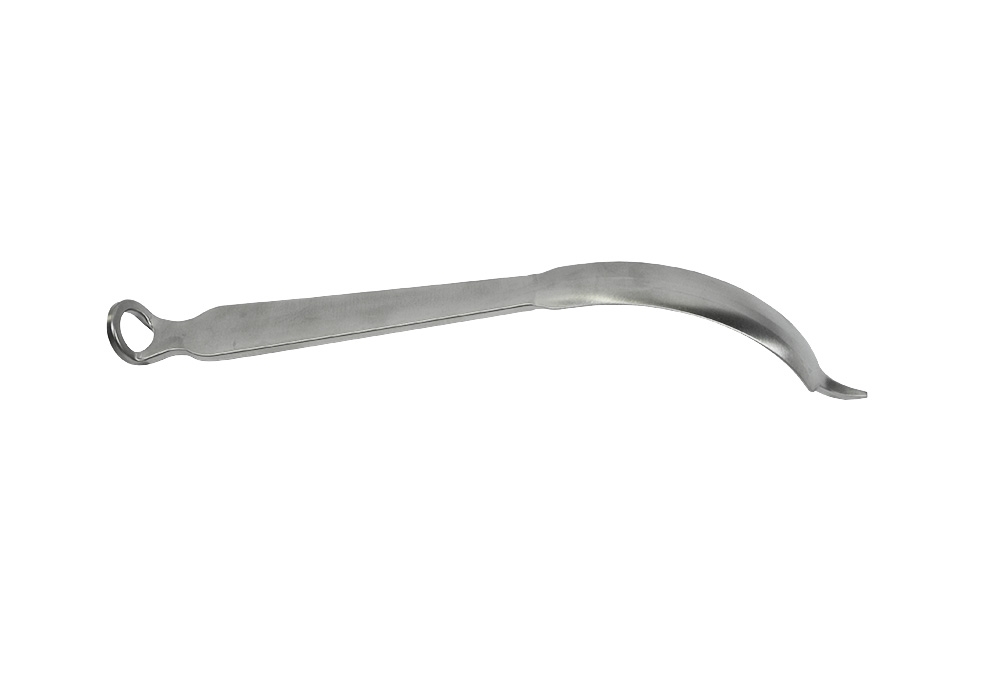
A soft prong refers to a flexible, non-rigid prong made from rubber, silicone, or specially engineered materials. Unlike hard prongs, which are typically made from metal or plastic, soft prongs offer a balance of strength and flexibility. These prongs are used in medical devices, pet training collars, jewelry settings, and even industrial applications where delicate handling is required.
Their ability to provide a secure hold without excessive force makes them an ideal choice for sensitive environments and applications. The adaptability of soft prongs ensures that they can be customized to fit various shapes and sizes, making them highly versatile.
Origin and Background of Soft Prong
The concept of soft prongs emerged as a safer and more comfortable alternative to rigid prongs. In medical devices, soft prongs were introduced to reduce irritation and discomfort in nasal cannulas and CPAP masks. Similarly, in pet training, soft prong collars were designed to minimize the risk of injury while maintaining effective control.
The jewelry industry later adopted soft prong settings to enhance the security of gemstones while preserving their integrity. Over time, manufacturers began experimenting with different materials to improve flexibility, durability, and user comfort, leading to the development of modern soft prong applications across multiple industries.
Different Types of Soft Prong Designs
Soft prong designs vary based on application, material, and function. Some of the most common types include:
- Medical Soft Prongs – Found in nasal cannulas and CPAP masks, ensuring comfortable airflow without causing irritation.
- Pet Training Soft Prongs – Used in soft prong collars to apply gentle pressure for training purposes.
- Jewelry Soft Prongs – Found in ring settings and bracelets to securely hold precious stones without excessive force.
- Industrial Soft Prongs – Utilized in machinery and robotics for delicate gripping and handling.
Each type of soft prong is designed to balance flexibility and strength, providing reliable performance while maintaining user comfort.
Uses and Applications of Soft Prong
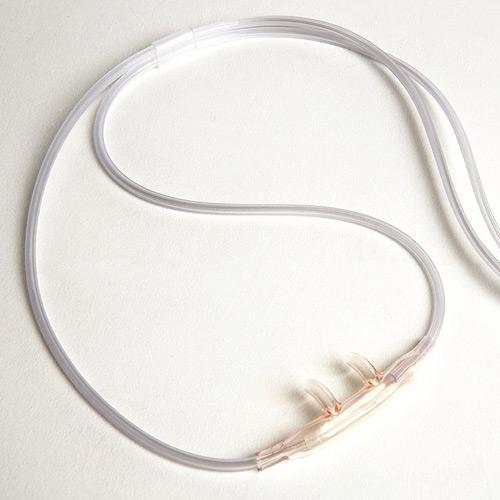
The soft prong design is widely applied across various industries, offering innovative solutions for different needs. Some key applications include:
- Medical Industry – Used in oxygen masks, CPAP machines, and ventilator tubing for patient comfort.
- Jewelry Design – Helps secure gemstones without damaging or scratching them.
- Pet Training Collars – Provides gentle correction while ensuring comfort for dogs.
- Engineering and Robotics – Allows for delicate handling of sensitive materials.
The adaptability of soft prongs makes them a preferred choice for industries that prioritize safety, precision, and comfort.
Soft Prong in Jewelry and Accessories
Soft prongs have revolutionized jewelry design, offering a secure yet flexible grip for gemstones. Unlike traditional metal prongs, which may scratch or loosen over time, soft prongs provide a cushioned hold that preserves the integrity of valuable stones. The use of silicone or rubber prongs in bracelets, rings, and earrings also enhances comfort and wearability, making them ideal for everyday use.
Soft Prong in Technology and Engineering
Soft prong technology has become a game-changer in engineering and industrial applications, offering flexibility, durability, and precision in handling delicate objects. Unlike traditional rigid prongs, soft prongs can bend and conform to different shapes while maintaining a secure grip. This feature is especially useful in robotics, manufacturing, and delicate material handling, where precision and adaptability are crucial.
Applications in Robotics and Automation
- Delicate Material Handling – Soft prongs are used in robotic arms to handle fragile materials like glass, electronics, and biological specimens.
- Flexible Gripping Mechanisms – They adjust to the shape and texture of objects, reducing the risk of damage or breakage.
- Medical Robotics – Used in surgical robots to ensure a gentle yet firm grip on tissues and instruments.
Advantages Over Traditional Hard Prongs
Soft prongs in technology provide enhanced adaptability and safety, making them an ideal choice for automated processes that require precision and care. Their ability to absorb shocks and prevent surface damage makes them superior to rigid prongs, especially in industries dealing with sensitive components.
As engineering advances, soft prong designs will continue to evolve, playing a significant role in innovative automation, medical procedures, and industrial handling.
Benefits of Using Soft Prong
The soft prong design offers numerous advantages across various industries, from comfort and safety to durability and adaptability. These benefits make it a preferred choice in medical, jewelry, pet training, and industrial applications.
Key Advantages of Soft Prong
- Enhanced Comfort – Soft prongs are gentle on the skin, making them ideal for medical devices and pet collars.
- Improved Safety – They reduce injuries, irritation, and discomfort, unlike rigid prongs that can cause abrasions or pressure sores.
- Flexible and Adaptive – They conform to different shapes and sizes, ensuring better fit and usability.
- Durable and Long-Lasting – Made from high-quality materials, soft prongs are resistant to wear and tear.
- Better Grip Without Damage – Provides a secure hold on objects like jewelry stones, robotic arms, and medical tubing, without causing scratches or deformation.
These benefits make soft prongs an essential component in modern designs, ensuring functionality, safety, and ease of use in various applications.
Comparison Between Soft Prong and Hard Prong
The debate between soft prongs and hard prongs depends on their application, durability, and comfort levels. Each type has its advantages and disadvantages, making it crucial to understand which is best suited for specific needs.
| Feature | Soft Prong | Hard Prong |
| Material | Silicone, rubber, flexible plastic | Metal, rigid plastic |
| Comfort | High – Prevents irritation | Low – Can cause discomfort |
| Flexibility | Can adjust and conform to shapes | Fixed structure, less adaptable |
| Durability | Resistant to wear and tear | Can break under pressure |
| Safety | Minimizes injury risks | Can cause pressure marks |
| Applications | Jewelry, pet training, robotics | Heavy-duty industrial use |
While soft prongs are superior for comfort, adaptability, and safety, hard prongs still have their place in high-pressure applications where rigid structures are needed.
Materials Used in Soft Prong Manufacturing
Soft prongs are made from various high-quality materials, each offering unique properties such as flexibility, durability, and resistance to damage. The choice of material depends on the intended application.
Common Soft Prong Materials
- Silicone – Offers softness, flexibility, and durability; used in medical devices and jewelry settings.
- Rubber – Provides shock absorption and is commonly found in pet training collars.
- Flexible Plastics – Lightweight and moldable, often used in robotic grippers and engineering applications.
These materials ensure soft prongs remain effective while maintaining comfort, strength, and longevity.
How to Maintain and Care for Soft Prong Items
Proper maintenance ensures soft prongs last longer and perform efficiently. Whether used in medical, pet training, jewelry, or industrial settings, routine care is essential.
Cleaning and Maintenance Tips
- Regular Cleaning – Use mild soap and water to remove dirt and debris. Avoid harsh chemicals that can degrade materials.
- Avoid Extreme Temperatures – Excessive heat can cause soft prongs to melt or lose elasticity, while extreme cold can make them brittle.
- Inspect for Wear and Tear – Check for cracks, deformation, or discoloration, as damaged soft prongs lose effectiveness.
- Proper Storage – Keep soft prongs away from direct sunlight and sharp objects to prevent damage.
With proper care, soft prongs can remain functional and durable for extended use.
Future Innovations in Soft Prong Design
The future of soft prong technology is driven by material advancements and engineering breakthroughs. As technology evolves, researchers are exploring new ways to enhance flexibility, durability, and application range.
Emerging Trends in Soft Prong Development
- 3D-Printed Soft Prongs – Allows for customized designs and rapid prototyping.
- Self-Healing Materials – New materials capable of repairing minor damages automatically, increasing lifespan.
- Smart Soft Prongs – Embedded with sensors for precision gripping and handling in robotics.
- Eco-Friendly Alternatives – Development of biodegradable soft prongs to reduce environmental impact.
These innovations will further expand the potential of soft prongs, making them an integral part of modern technology and design.
Frequently Asked Questions about Soft Prong
What are soft prongs used for?
Soft prongs are used in medical devices, pet collars, jewelry settings, and robotic gripping applications.
Are soft prong collars safe for dogs?
Yes, soft prong collars provide gentle correction without causing pain or injury, making them a safer alternative.
Do soft prongs last long?
Soft prongs made from high-quality silicone, rubber, or plastic can last for years with proper care.
Are soft prongs better than hard prongs?
Soft prongs offer better comfort and safety, while hard prongs are useful for high-pressure applications.
Can I replace soft prongs on jewelry?
Yes, many jewelers offer replacement services for worn-out or damaged soft prongs.
How do I clean soft prong medical devices?
Use warm water and mild detergent to clean soft prong components in medical devices regularly.
Where can I buy soft prong items?
Soft prongs are available in medical supply stores, pet shops, and online marketplaces.
Conclusion of Soft Prong
Soft prongs have transformed multiple industries, offering a safe, flexible, and durable alternative to traditional rigid prongs. From medical applications to pet training, jewelry design, and industrial robotics, their versatility continues to grow.
With ongoing innovations in materials and design, soft prongs are set to become even more efficient and adaptable. Whether you’re looking for comfort, precision, or safety, soft prongs provide a modern solution that enhances everyday applications and advanced technology alike.
