

Avista National Park is a protected natural area, requiring visitors and businesses to follow strict environmental regulations. When individuals or corporations violate these rules, they may be subject to hefty fines. The most notable case involved Avista Corporation, which paid $900,000 in penalties after damaging archaeological and natural resources.
Understanding these fines is essential for visitors, companies, and environmentalists. Knowing the park’s regulations, common violations, and legal consequences can help prevent costly mistakes and protect the park’s ecosystem.
What is Avista National Park?
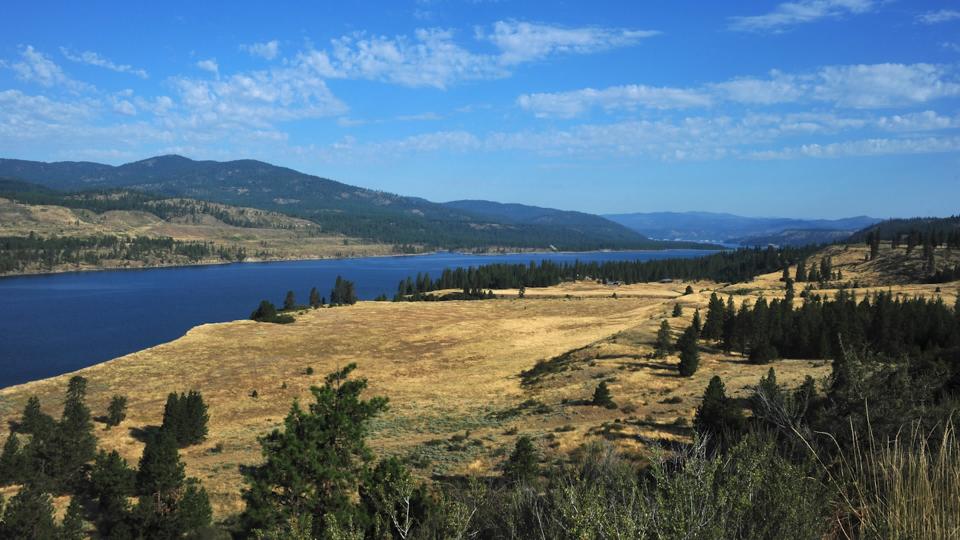
Avista National Park is a scenic and environmentally rich area featuring diverse landscapes, wildlife, and historical sites. It is closely monitored to ensure conservation efforts remain effective.
Key Features of Avista National Park
- Rich Biodiversity – Home to various plant and animal species.
- Cultural and Archaeological Sites – Contains historical artifacts and indigenous heritage.
- Strict Environmental Protection Laws – Designed to preserve natural resources.
- Popular for Outdoor Activities – Hiking, camping, and wildlife observation.
| Category | Details |
| Location | Protected natural area in the U.S. |
| Wildlife | Includes native plant and animal species |
| Environmental Laws | Strictly enforced to prevent damage |
| Activities Allowed | Hiking, photography, nature exploration |
Since Avista National Park is a protected area, any form of environmental harm, including unauthorized construction or deforestation, may result in severe fines.
Rules and Regulations in Avista National Park
The park operates under strict guidelines to protect its natural and cultural heritage. Violating these regulations can lead to legal consequences, fines, or bans from the park.
Main Rules to Follow
- No Unauthorized Construction – Companies and individuals must obtain permits before conducting any work.
- Respect Wildlife and Plants – Damaging native species, cutting down trees, or disturbing habitats is prohibited.
- No Littering or Pollution – Visitors must follow leave-no-trace principles.
- Stay on Designated Trails – Off-trail activities can cause erosion and habitat destruction.
| Regulation | Penalty for Violation |
| Unauthorized entry or construction | Up to $900,000 fine |
| Wildlife disturbance | Legal action and fines |
| Littering or pollution | Monetary fines, park ban |
To avoid fines, visitors and businesses must follow park guidelines and obtain the necessary permits before any activities.
Understanding the Damage Fine in Avista National Park
Damage fines are issued when individuals or organizations harm the park’s environment, wildlife, or historical sites. These fines help fund restoration efforts and ensure accountability.
What Actions Can Lead to a Fine?
- Unauthorized Construction – Building or altering structures without approval.
- Deforestation or Excavation – Cutting trees or disturbing land without a permit.
- Destruction of Historical Sites – Damaging artifacts or cultural landmarks.
- Pollution and Waste Dumping – Disposing of waste improperly.
Avista Corporation faced a $900,000 fine for damaging archaeological sites and native plants. This serves as a warning for others to follow environmental laws.
Common Violations Leading to Damage Fines
Many people unknowingly commit violations that result in fines. The most frequent offenses include:
- Construction or excavation without permits.
- Altering the landscape, leading to environmental damage.
2. Wildlife and Plant Damage
- Cutting trees, removing plants, or disturbing animal habitats.
- Feeding or harming wildlife.
3. Illegal Dumping and Pollution
- Leaving trash, chemical waste, or contaminants in the park.
- Discharging pollutants into natural water sources.
| Violation Type | Fine Amount (Approx.) |
| Illegal Construction | Up to $900,000 |
| Wildlife Disturbance | $5,000 – $50,000 |
| Littering & Pollution | $500 – $10,000 |
To avoid fines, visitors should respect park rules, follow permit requirements, and practice responsible tourism.
How Much is the Fine for Damaging Avista National Park?
The fine amount depends on the severity of the damage and legal action taken.
Notable Example: Avista Corporation Fine
- Amount Paid: $900,000
- Reason: Unauthorized construction damaged archaeological and environmental resources.
General Fine Ranges for Damage
| Offense | Minimum Fine | Maximum Fine |
| Minor Littering | $500 | $5,000 |
| Wildlife Disturbance | $5,000 | $50,000 |
| Major Environmental Damage | $100,000 | $900,000+ |
These fines act as a deterrent against illegal activities and encourage responsible environmental behavior.
Legal Consequences of Damaging Avista National Park
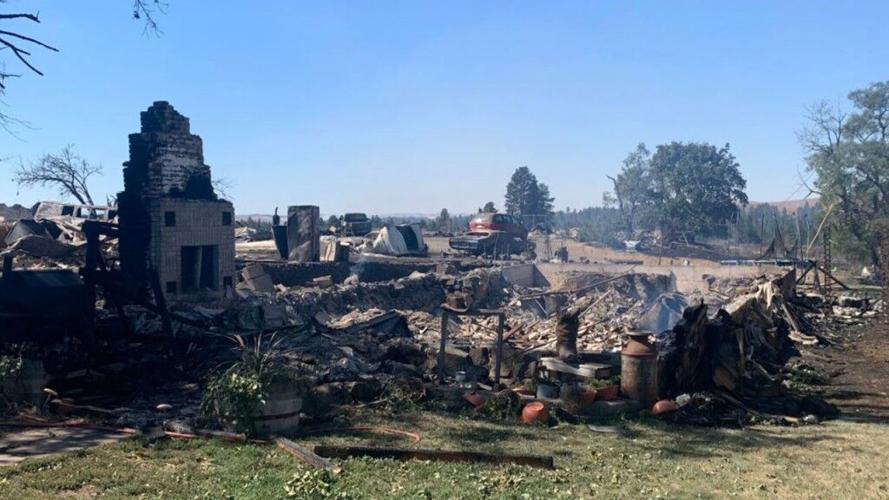
Aside from fines, individuals and companies may face legal action if they violate park regulations.
Possible Legal Outcomes
- Civil Lawsuits – Large-scale damage may lead to lawsuits for restoration costs.
- Criminal Charges – In severe cases, violators may face criminal prosecution.
- Permanent Ban from the Park – Repeat offenders can be barred from entering.
| Offense Type | Legal Consequences |
| Small violations (littering) | Fines or community service |
| Major damage (construction) | Heavy fines and legal action |
| Historical site destruction | Criminal prosecution |
Following park laws is crucial to avoid these consequences.
Environmental Impact of Damage in Avista National Park
Damage to Avista National Park has far-reaching environmental consequences that affect ecosystems, wildlife, and historical landmarks. The destruction of trees, soil erosion, and water contamination can lead to long-term degradation of the park’s natural beauty. When unauthorized activities occur, such as illegal construction, deforestation, or pollution, the delicate balance of nature is disrupted, making it harder for plant and animal species to survive.
One of the biggest concerns is habitat destruction. When trees and vegetation are removed, wildlife loses shelter and food sources, leading to a decline in species populations. The big sagebrush and ponderosa pine trees that were damaged during the Avista Corporation incident provided vital resources for local animals. Additionally, soil erosion increases due to the removal of plant roots, making the land more vulnerable to landslides and degradation.
Another major consequence is water pollution. Pollutants from construction sites or illegal dumping can contaminate rivers and lakes, harming aquatic life. This contamination can also affect local communities that rely on the water supply. Furthermore, damaging archaeological sites leads to irreparable cultural loss, erasing pieces of history that can never be recovered. Protecting Avista National Park is essential to ensure it remains a thriving ecosystem for future generations.
How to Avoid Fines in Avista National Park
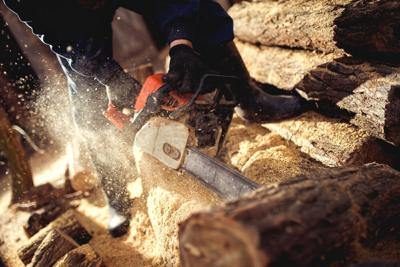
Avoiding fines in Avista National Park requires visitors and organizations to respect regulations, follow park guidelines, and obtain necessary permits. Being aware of the rules and practicing responsible tourism and business operations can prevent unnecessary legal trouble and protect the park’s ecosystem.
One of the simplest ways to avoid fines is to stay on designated trails. Straying off-trail can damage fragile plant life and disturb wildlife habitats. Littering is another common offense—carrying out all trash and disposing of waste properly helps keep the park clean and reduces environmental damage. Visitors should also avoid making loud noises or feeding wild animals, as both actions disrupt natural behaviors and can result in fines.
For businesses or contractors, securing proper permits before engaging in any land use or construction is essential. The Avista Corporation case, where the company was fined $900,000 for unauthorized land use, serves as a warning for those who fail to comply with park regulations. Any activity that could alter the landscape, remove vegetation, or impact historical sites requires prior approval from park authorities.
By respecting the park’s regulations, obtaining permits, and being mindful of their actions, visitors and businesses can enjoy Avista National Park without facing legal consequences or environmental harm.
Reporting and Paying Fines for Avista National Park Damage
If an individual or company is fined for damaging Avista National Park, they must go through the official reporting and payment process to settle the fine. Failure to pay may result in increased penalties, legal action, or even bans from entering protected areas.
The first step is to report the violation to park authorities if damage has been caused. Park rangers or environmental officers assess the situation and determine the severity of the impact. Once the fine amount is decided, the individual or company receives an official notice of violation with instructions on how to pay.
Payment Process for Fines
| Step | Details |
| Violation Notice | Issued by park authorities with fine details. |
| Appeal Option | Some fines may be contested if unfairly issued. |
| Payment Methods | Online, by mail, or in person at designated offices. |
| Deadline for Payment | Must be paid within a specified timeframe to avoid further penalties. |
If the violation is contested, individuals can file an appeal and provide evidence to support their claim. However, in cases like Avista Corporation’s violation, where there was clear damage, paying the fine promptly and cooperating with authorities is the best course of action.
By following the official process and taking responsibility for violations, individuals and organizations can avoid additional legal troubles and help fund restoration efforts within the park.
Best Practices for Protecting Avista National Park
Preserving Avista National Park requires collective effort from visitors, conservationists, and businesses. By following best practices, everyone can help maintain the park’s natural beauty and prevent environmental damage.
1. Follow Park Rules and Guidelines
- Always stay on designated trails to avoid disturbing plant life.
- Do not litter, dump waste, or pollute water sources.
- Avoid loud noises and excessive human interference in wildlife areas.
2. Practice Responsible Tourism
- Carry reusable containers and reduce plastic waste.
- Avoid feeding wild animals, as it disrupts their natural behaviors.
- Use eco-friendly products that do not harm the environment.
3. Businesses and Contractors Must Obtain Permits
- Secure approval before engaging in construction or land alterations.
- Follow environmental protection regulations and minimize damage.
4. Educate Others on Conservation Efforts
- Encourage others to respect nature and follow park rules.
- Support conservation groups and initiatives that protect national parks.
By implementing these best practices, visitors and companies can help sustain Avista National Park for future generations while avoiding fines and legal issues.
Frequently Asked Questions about Avista National Park Damage Fine
What was Avista Corporation fined for?
Avista Corporation was fined $900,000 for unauthorized construction that damaged archaeological sites and native plant life.
How can I avoid fines in Avista National Park?
Follow all park regulations, stay on designated trails, dispose of waste properly, and obtain permits for any land use.
What are the legal consequences of damaging the park?
Violators may face heavy fines, legal action, and potential bans from entering protected areas.
How are fines for park damage determined?
Fines vary depending on the severity of damage, environmental impact, and legal action taken by park authorities.
What should I do if I receive a fine in Avista National Park?
Report the violation, follow the payment instructions provided, or file an appeal if necessary.
Conclusion of Avista National Park Damage Fine
Protecting Avista National Park is crucial for preserving its rich biodiversity, historical sites, and natural beauty. Damage to the park, whether caused by individuals or corporations, can result in substantial fines and legal consequences. The Avista Corporation case, where the company paid $900,000 for environmental damage, highlights the importance of following regulations and obtaining proper permits.
Visitors and businesses must act responsibly by staying on trails, avoiding pollution, and respecting wildlife. Companies should ensure that all projects within the park follow legal and environmental guidelines. By implementing best practices and conservation efforts, we can prevent future violations and maintain the park for future generations.
Taking responsibility for environmental protection benefits everyone, ensuring that Avista National Park remains a safe and thriving ecosystem for years to come.
