

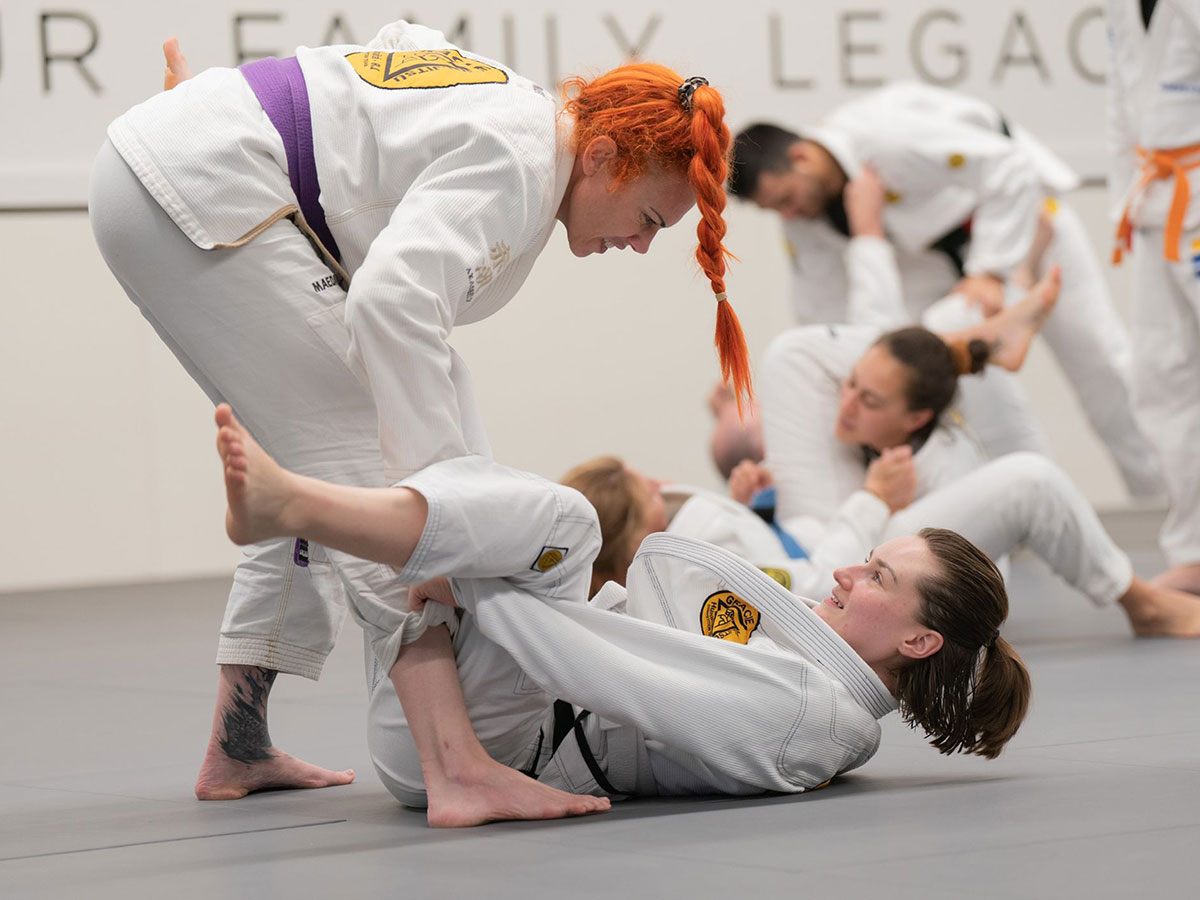
Brazilian Jiu-Jitsu (BJJ) is a grappling-based martial art that focuses on ground fighting and submission techniques. Unlike striking arts, it emphasizes control, leverage, and technique to subdue opponents. BJJ is highly effective for self-defense, fitness, and competitive sports, making it popular worldwide.
In self-defense, BJJ teaches individuals how to control and neutralize attackers using joint locks and chokes. It’s beneficial for people of all sizes, as it allows smaller individuals to overcome stronger opponents using technique rather than brute strength. Athletes and fitness enthusiasts also love BJJ because it enhances flexibility, endurance, and mental sharpness.
Competitively, BJJ has become a dominant sport with gi and no-gi competitions, attracting thousands of practitioners. Events like IBJJF, ADCC, and local tournaments provide a platform for testing skills. Whether for personal growth, self-defense, or competition, BJJ offers a well-rounded martial arts experience that improves both physical and mental well-being.
Contents
- 1 History and Evolution of BJJ
- 2 Philosophy and Core Principles
- 3 Key Techniques and Movements
- 4 Training Methodologies and Regimens
- 5 Belt Ranking System and Progression
- 6 Competition and Tournaments
- 7 Self-Defense Applications
- 8 Famous Practitioners and Influencers
- 9 BJJ Gear and Equipment Essentials
- 10 Health, Fitness, and Mental Benefits
- 11 BJJ Culture and Community
- 12 Future Trends and Innovations in BJJ
- 13 Frequently Asked Questions about Brazilian Jiu-Jitsu
- 14 Conclusion of BJJ
History and Evolution of BJJ
Origins from Traditional Japanese Judo and Jiu-Jitsu
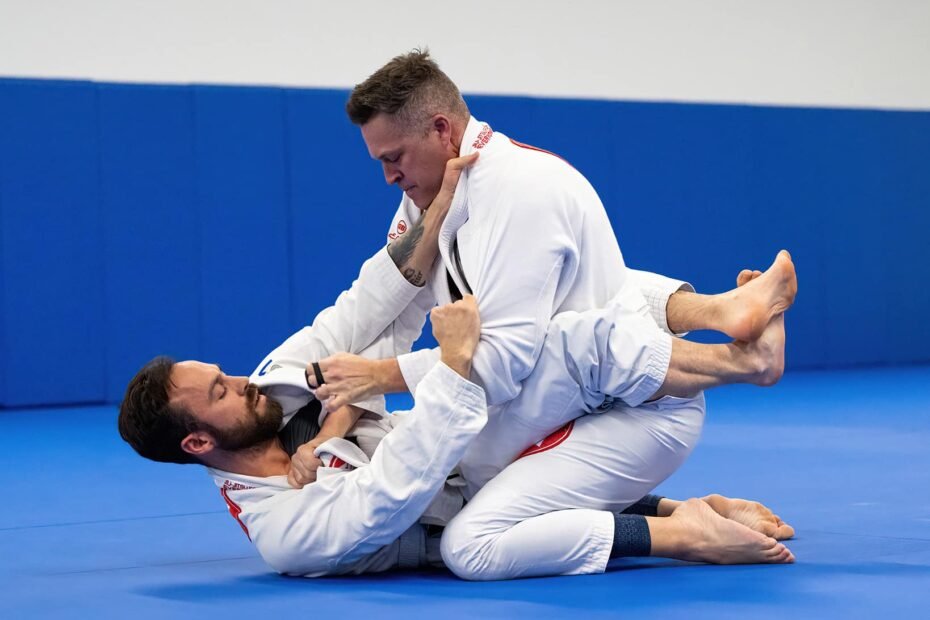
Brazilian Jiu-Jitsu traces its roots back to Japan, where judo and traditional jiu-jitsu were practiced. In the early 20th century, Mitsuyo Maeda, a Japanese judoka, brought these techniques to Brazil, where he taught them to the Gracie family.
Development and Influence of the Gracie Family
The Gracie family played a pivotal role in the evolution of BJJ. Carlos and Helio Gracie modified judo techniques to create a style that prioritized leverage, efficiency, and ground control. Their innovations led to the development of a more refined grappling system, focusing on controlling opponents rather than relying on strength.
Key Historical Milestones and Global Expansion
BJJ gained international recognition in the 1990s with the rise of UFC (Ultimate Fighting Championship). Royce Gracie, a relatively smaller fighter, dominated larger opponents using BJJ, proving its effectiveness. This sparked global interest, and soon, academies opened worldwide. Today, BJJ is practiced in over 100 countries, with major tournaments and affiliations expanding its reach.
Philosophy and Core Principles
Technique Over Strength
One of the most important principles of BJJ is that technique trumps brute strength. It teaches practitioners how to use leverage and positioning to control opponents, making it accessible to people of all sizes and ages.
The Art of Yielding
BJJ follows the concept of yielding, where instead of resisting force with force, a practitioner redirects an opponent’s energy. This principle allows smaller individuals to overcome larger, stronger opponents by using momentum and angles.
Continuous Learning and Growth
BJJ is often called a “human chess match” because of its strategic nature. Every session is a chance to learn, adapt, and grow. The art teaches patience, problem-solving, and resilience, fostering personal development both on and off the mat.
Key Techniques and Movements
Fundamental Positions
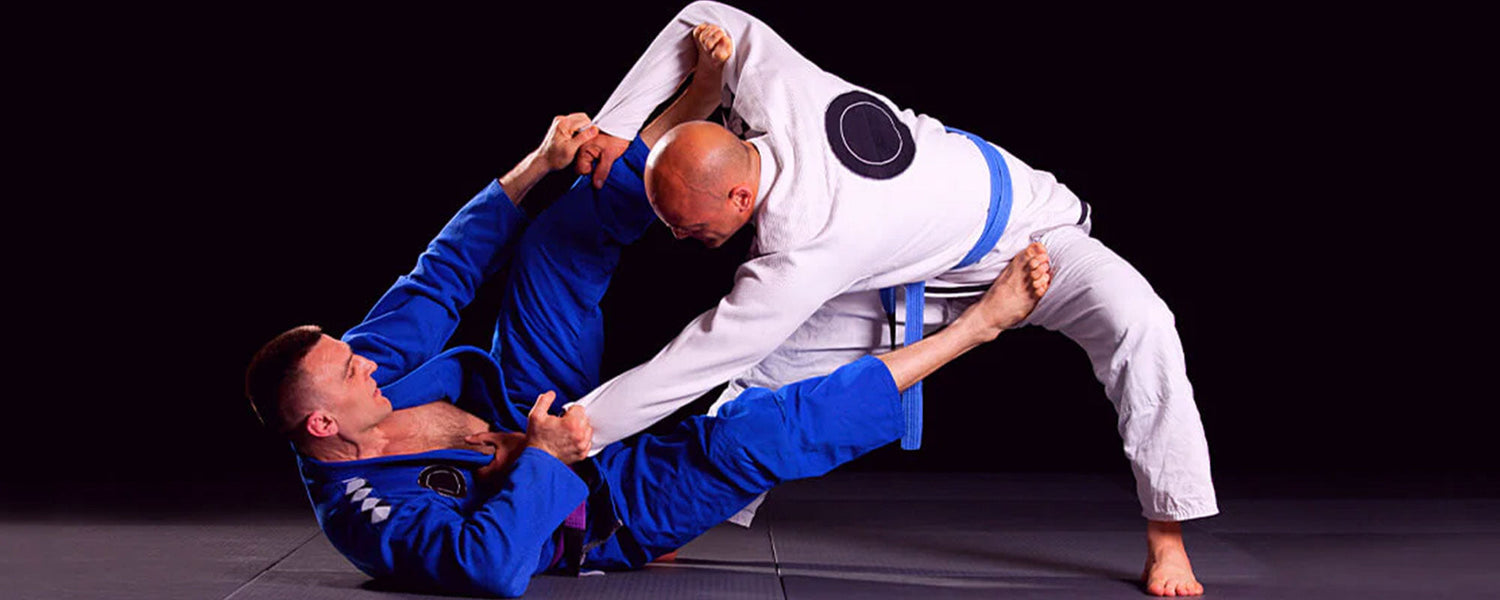
BJJ revolves around essential positions that determine control and attack opportunities. These include:
- Guard – A defensive position used to control opponents from the bottom.
- Mount – A dominant position offering strong submission options.
- Side Control – A transitional position to control opponents and set up attacks.
- Back Control – One of the most dominant positions, allowing chokes and submissions.
Essential Submissions
- Chokes – Techniques like rear-naked chokes and triangle chokes restrict airflow, forcing an opponent to submit.
- Joint Locks – Moves like the armbar and kimura apply pressure to joints, forcing a tap.
- Sweeps – Used to reverse positions and gain control.
Drilling and Live Sparring (Rolling)
To master BJJ, consistent drilling and live sparring (called rolling) are essential. Drills reinforce muscle memory, while sparring sharpens timing and technique in real situations.
Training Methodologies and Regimens
Typical Class Structure
A standard BJJ class includes:
- Warm-Up – Mobility drills, stretching, and movement exercises.
- Technique Demonstration – Instructors break down specific moves.
- Drilling – Repeating techniques with a partner for muscle memory.
- Sparring (Rolling) – Practitioners test their skills in controlled matches.
Cross-Training and Conditioning
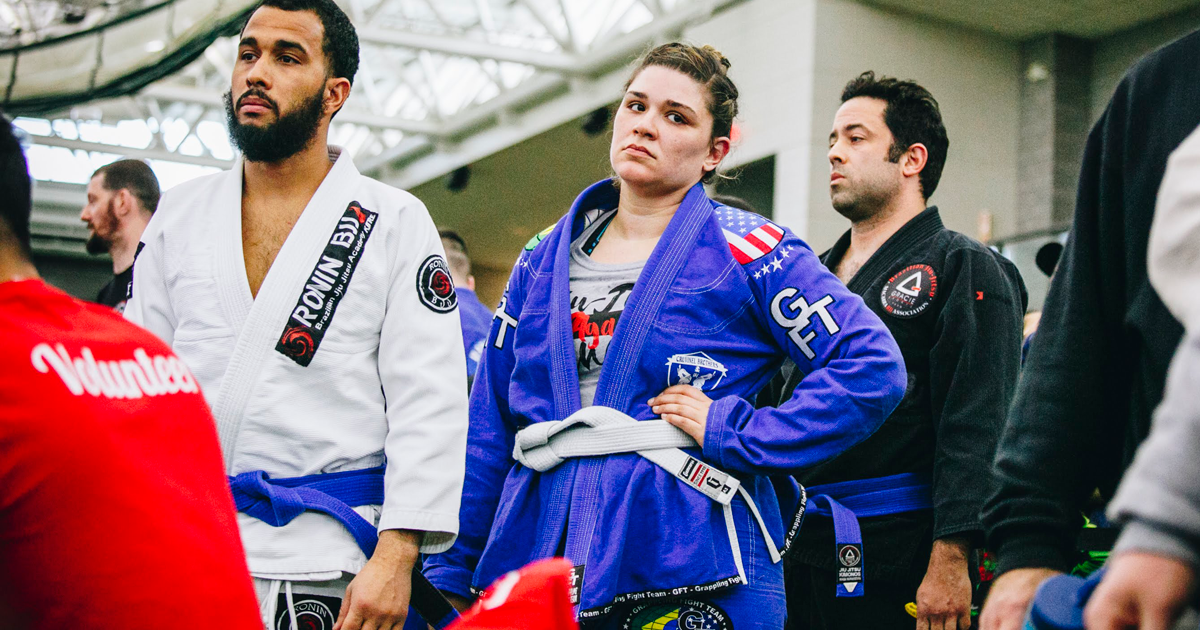
To excel in BJJ, practitioners supplement training with strength workouts, yoga, and mobility exercises. This improves endurance and flexibility, reducing injury risks.
Progression Strategies
Advancing in BJJ requires consistent training, patience, and adaptation. Beginners should focus on fundamentals before exploring advanced techniques.
Belt Ranking System and Progression
| Belt Color | Skill Level | Average Time to Progress |
| White | Beginner | 1-2 years |
| Blue | Intermediate | 2-3 years |
| Purple | Advanced | 2-4 years |
| Brown | Expert | 2-3 years |
| Black | Master | 5+ years |
- Criteria for Advancement: Promotion depends on technical ability, sparring performance, and time spent training.
- Role of Instructors: Mentors guide students through their journey, ensuring skill development and discipline.
Competition and Tournaments
Gi vs. No-Gi: Gi competitions involve traditional kimonos, while No-Gi focuses on athletic wear and grips.
Major Competitions: Events like the IBJJF World Championship, ADCC, and Pan American Championships attract top athletes.
Scoring System: Points are awarded for positional control, sweeps, and submission attempts.
Self-Defense Applications
- Real-World Effectiveness: BJJ techniques are useful in real-life self-defense situations.
- Sport vs. Self-Defense: While sport BJJ focuses on points, self-defense training emphasizes neutralizing threats.
- Practical Control: Learning positional dominance ensures an opponent is controlled without excessive force.
Famous Practitioners and Influencers
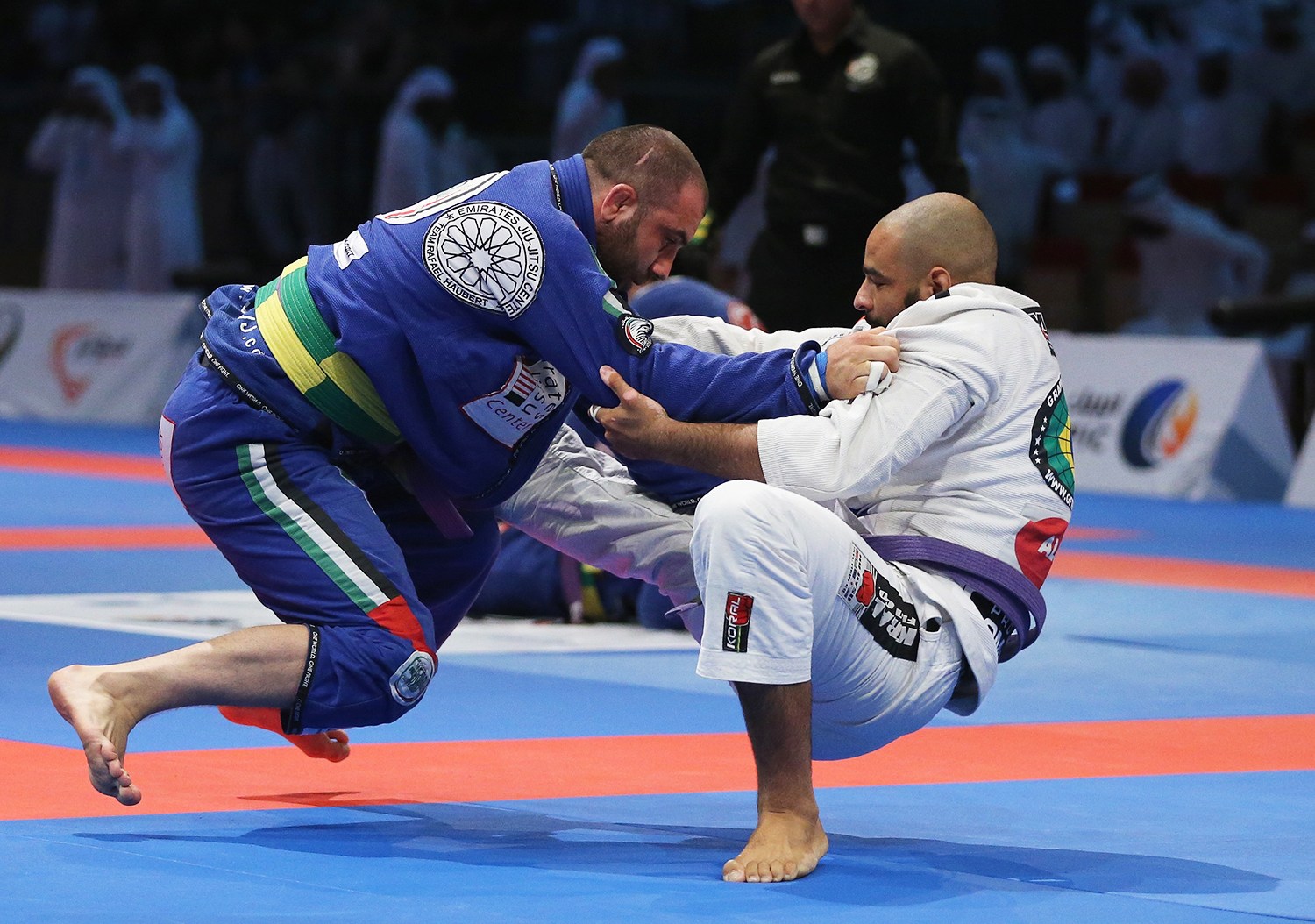
- The Gracie Family: Helio, Carlos, and Rickson Gracie were pioneers of BJJ.
- Modern Champions: Athletes like Gordon Ryan, Marcus Almeida, and Andre Galvao dominate the sport today.
- Celebrity Practitioners: Celebrities like Joe Rogan, Keanu Reeves, and Tom Hardy have trained in BJJ, increasing its global appeal.
BJJ Gear and Equipment Essentials
| Item | Purpose |
| Gi | Traditional BJJ uniform |
| Rashguard | Prevents mat burns and infections |
| Mouthguard | Protects teeth |
| Belts | Represents rank |
Health, Fitness, and Mental Benefits
BJJ improves strength, endurance, cardiovascular health, and flexibility. It also enhances mental discipline, stress relief, and problem-solving skills, making it a complete lifestyle.
BJJ Culture and Community
BJJ promotes respect, camaraderie, and discipline. Schools host seminars, workshops, and online forums to foster growth, strengthening the community.
Future Trends and Innovations in BJJ
BJJ continues evolving with performance tracking apps, modified competition formats, and global expansion. The future looks promising as new generations embrace the art.
Frequently Asked Questions about Brazilian Jiu-Jitsu
Is Brazilian Jiu-Jitsu good for self-defense?
Yes, BJJ is highly effective for self-defense, teaching control and submission techniques.
How long does it take to get a black belt in BJJ?
It typically takes 10+ years, depending on training frequency and skill level.
Do I need to be strong to train in BJJ?
No, BJJ focuses on technique over strength, making it accessible to all.
What is the difference between gi and no-gi BJJ?
Gi BJJ uses a uniform for grips, while no-gi BJJ relies on body control.
Can kids train in BJJ?
Yes, BJJ is great for children, improving confidence and discipline.
What are the major BJJ tournaments?
IBJJF, ADCC, and local competitions are among the biggest events.
Is BJJ a full-body workout?
Yes, BJJ enhances strength, endurance, and flexibility, making it a full-body workout.
Conclusion of BJJ
Brazilian Jiu-Jitsu (BJJ) is more than just a martial art—it’s a lifestyle that enhances physical fitness, mental resilience, and self-defense skills. With its focus on technique over strength, it is accessible to people of all ages and sizes. Whether for competition, personal growth, or self-defense, BJJ offers invaluable benefits that extend beyond the mats.
From its roots in Japan to its global dominance today, BJJ continues to evolve, attracting practitioners worldwide. The belt ranking system, structured training, and strong community culture make it a lifelong journey of learning and self-improvement.
With the rise of MMA and no-gi grappling, BJJ’s popularity will only grow. Whether you’re a beginner or an advanced student, embracing BJJ means joining a global family dedicated to discipline, respect, and mastery. Step onto the mats, start your journey, and experience the power of Brazilian Jiu-Jitsu!
