

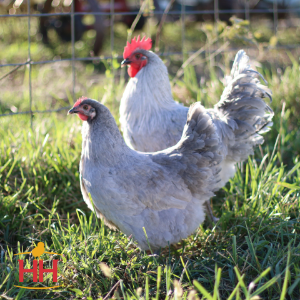
The Lavender Orpington is a beautiful, large chicken breed recognized for its distinctive lavender color and docile nature. This breed is often chosen for backyard flocks due to its friendly temperament and dual-purpose abilities, making it ideal for both egg production and meat.
Lavender Orpingtons are especially popular because of their easygoing nature and cold-hardiness, which makes them well-suited for various climates. As a heritage breed, they are a rare but wonderful addition to any flock, offering both beauty and functionality.
Their calm disposition, coupled with their robust health, makes them a favorite among both new and experienced chicken keepers. If you’re looking for a breed that thrives in colder weather and provides a steady egg supply, the Lavender Orpington might be your perfect choice.
What is Lavender Orpington?
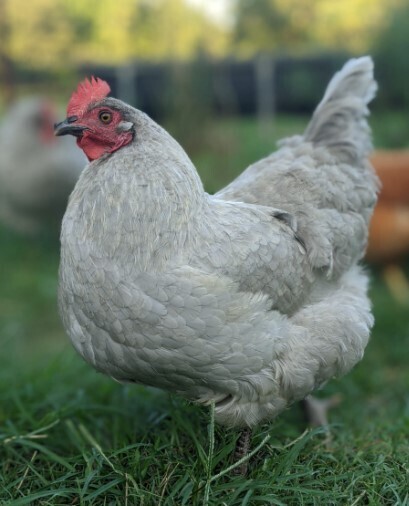
The Lavender Orpington is a rare and beautiful chicken breed known for its soft lavender-colored plumage, gentle temperament, and excellent dual-purpose qualities. It is a variety of the Orpington breed, originally developed in England in the late 1800s by William Cook. The lavender color comes from a specific genetic mutation that gives the feathers a unique pastel, bluish-gray shade.
Lavender Orpingtons are friendly, cold-hardy, and good egg layers, producing around 175-200 light brown eggs per year. They are also large birds, with roosters weighing up to 10 lbs and hens around 8 lbs. Due to their calm and sociable nature, they are a great choice for families, beginner chicken keepers, and backyard flocks. Their stunning appearance and rare genetics make them a highly sought-after breed among poultry enthusiasts.
Appearance of Lavender Orpingtons
Lavender Orpingtons are known for their striking appearance, which sets them apart from other Orpington breeds. These chickens have a large, upright stance, with medium-sized combs and full, fluffy plumage.
Their most distinguishing feature is their unique lavender color, a soft slaty blue that gives them a majestic look. This color comes from the lavender gene, which gives them a pastel-like hue that catches the eye.
Here’s a breakdown of the key physical features of Lavender Orpingtons:
- Size: Males can weigh up to 10 lbs, while females are generally around 8 lbs.
- Plumage: The feathers are dense and soft, making them appear fluffy and full.
- Color: The light slaty blue color gives them a unique and regal appearance compared to other Orpingtons.
When compared to other Orpingtons, the Lavender variety stands out due to its soft, pastel color, while maintaining the same strong and healthy build that makes the Orpington breed so desirable.
Temperament of Lavender Orpingtons
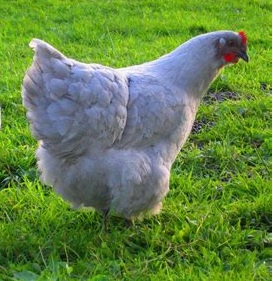
Lavender Orpingtons are known for their gentle and docile temperament, making them an excellent choice for backyard flocks, especially those with children. These birds are friendly, calm, and easy to handle, making them ideal for first-time chicken keepers. They thrive on social interaction and are not prone to aggression. In fact, they tend to get along well with other chickens, even in multi-breed flocks.
Key points to note about their temperament:
- Friendly and calm: Lavender Orpingtons are very sociable, often seeking attention from their owners.
- Good with children: They are particularly gentle, making them a great choice for families.
- Easy to handle: These chickens are not skittish and are easy to pick up and interact with.
Their docile nature also means they tend to be quieter than other breeds, which is a bonus for anyone looking to maintain a peaceful flock.
Egg Production
When it comes to egg production, Lavender Orpingtons are reliable layers, producing medium to large light brown eggs. They generally lay around 175-200 eggs per year, making them a consistent choice for those looking for a steady supply of fresh eggs. While their production rate may not rival some commercial laying breeds, it’s more than sufficient for the average backyard flock.
Here’s a breakdown of their egg-laying:
| Egg Characteristics | Details |
| Egg Color | Light brown |
| Egg Size | Medium to large |
| Egg-Laying Rate | 175-200 eggs per year |
| Consistency | Good, with occasional breaks |
Compared to other chicken breeds, Lavender Orpingtons offer a solid balance between egg production and their other qualities, making them a great option for families or small farms.
Climate Adaptability of Lavender Orpingtons
One of the most impressive aspects of Lavender Orpingtons is their cold-hardiness. These chickens have dense plumage that helps them thrive in colder climates, making them a great choice for areas with harsh winters. They can handle the cold better than many other breeds, though, like all chickens, they still need proper shelter to protect them from extreme conditions.
Here are the climate benefits of owning Lavender Orpingtons:
- Cold-Hardy: They excel in colder climates, staying healthy even during the winter months.
- Adaptable: Though they are cold-hardy, they can adapt to warmer climates if given access to shade and water during hot spells.
- Protection from extreme weather: Even in colder climates, they are less prone to frostbite compared to other breeds.
Their climate adaptability means they can thrive in many different regions, from freezing winters to warmer summer months.
Size and Weight of Lavender Orpingtons
As a large breed, Lavender Orpingtons make an impressive presence in any flock. Males can weigh up to 10 lbs, while females typically weigh around 8 lbs. Their size makes them well-suited for both egg production and meat, which is one of the reasons they are considered a dual-purpose breed.
Key facts about their size:
- Males: Can weigh up to 10 lbs.
- Females: Typically weigh around 8 lbs.
- Coop Space: Due to their larger size, it’s important to provide enough space for them to move comfortably.
Their solid build not only makes them productive in terms of both eggs and meat but also ensures they are less likely to be picked on by smaller, more timid breeds.
History and Origin of Lavender Orpingtons
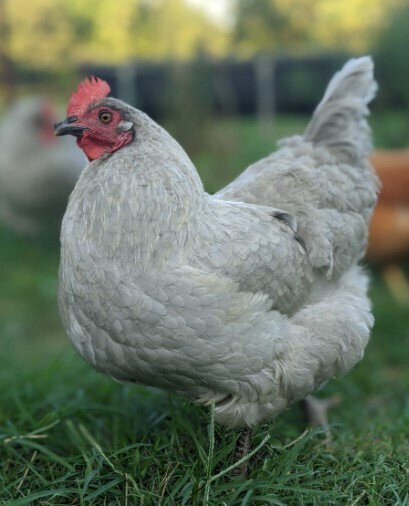
The Lavender Orpington has its origins in the 1800s when William Cook, an English breeder, developed the original Orpington breed. The lavender variety was selectively bred later, creating a unique color mutation with the lavender gene. This gene is responsible for the breed’s distinctive pastel blue color.
Here’s a look at the historical background:
- Origins: Developed in the 1800s by William Cook in Orpington, England.
- Lavender Gene: The lavender color was introduced later through selective breeding.
- Dual-Purpose Breeding: Initially bred for both egg production and meat, the breed’s traits made it a valuable addition to farms.
This breed’s history is rich with development for practical purposes, and its unique coloration has only added to its appeal over time.
Other Features of Lavender Orpingtons
The Lavender Orpington is a dual-purpose breed, meaning it is valued both for its eggs and for its meat production. They are particularly appreciated for their gentle nature, which makes them a good fit for small farms or family settings. These chickens are also a rare breed, which makes them highly sought after by collectors and poultry enthusiasts.
Some unique qualities of Lavender Orpingtons include:
- Dual-Purpose: Used for both eggs and meat, offering great versatility.
- Rare: A rare breed, often considered a treasure for poultry enthusiasts.
- Sustainable: A heritage breed that contributes to sustainable farming practices.
Their rarity and functional versatility make them a standout breed in the poultry world.
Where to Buy Lavender Orpingtons
If you’re interested in adding Lavender Orpingtons to your flock, there are several reputable hatcheries that offer these chickens for sale. Cackle Hatchery, Stromberg’s, and Meyer Hatchery are all well-known for providing healthy, strong Lavender Orpington chicks.
Here’s a quick guide on where to buy:
| Hatchery | Price Range (per chick) | Website Link |
| Cackle Hatchery | $5 – $8 | Cackle Hatchery |
| Stromberg’s | $6 – $9 | Stromberg’s |
| Meyer Hatchery | $5 – $8 | Meyer Hatchery |
Prices may vary depending on availability and location, but these hatcheries are reputable and provide high-quality chicks.
Frequently Asked Questions About Lavender Orpingtons
What is the lifespan of Lavender Orpingtons?
Lavender Orpingtons generally live for 5-7 years when properly cared for.
Do Lavender Orpingtons require special care during cold weather?
While they are cold-hardy, they still need adequate shelter to protect them from extreme weather.
Are Lavender Orpingtons good with children?
Yes, they are gentle and calm, making them great companions for children.
How much space do Lavender Orpingtons need?
They require at least 2-3 square feet per bird for comfortable living.
Do Lavender Orpingtons need special feeding?
No special diet is required; they thrive on a typical chicken feed, supplemented with fresh water and treats.
Can Lavender Orpingtons be kept with other chicken breeds?
Yes, they are peaceful and integrate well into flocks with other breeds.
What is the egg production rate of Lavender Orpingtons?
They lay 175-200 eggs per year, providing a steady supply.
Conclusion of Lavender Orpington
The Lavender Orpington is a striking and versatile chicken breed, ideal for backyard flocks looking for both beauty and functionality. With its calm temperament, consistent egg production, and cold-hardiness, it offers many benefits for chicken keepers.
Whether you’re raising them for eggs, meat, or just their unique appearance, Lavender Orpingtons are a valuable addition to any flock. Their gentle nature makes them perfect for families, and their striking lavender plumage adds a touch of elegance to your chicken coop. For those looking for a rare breed that provides both productivity and charm, Lavender Orpingtons are an excellent choice.
