

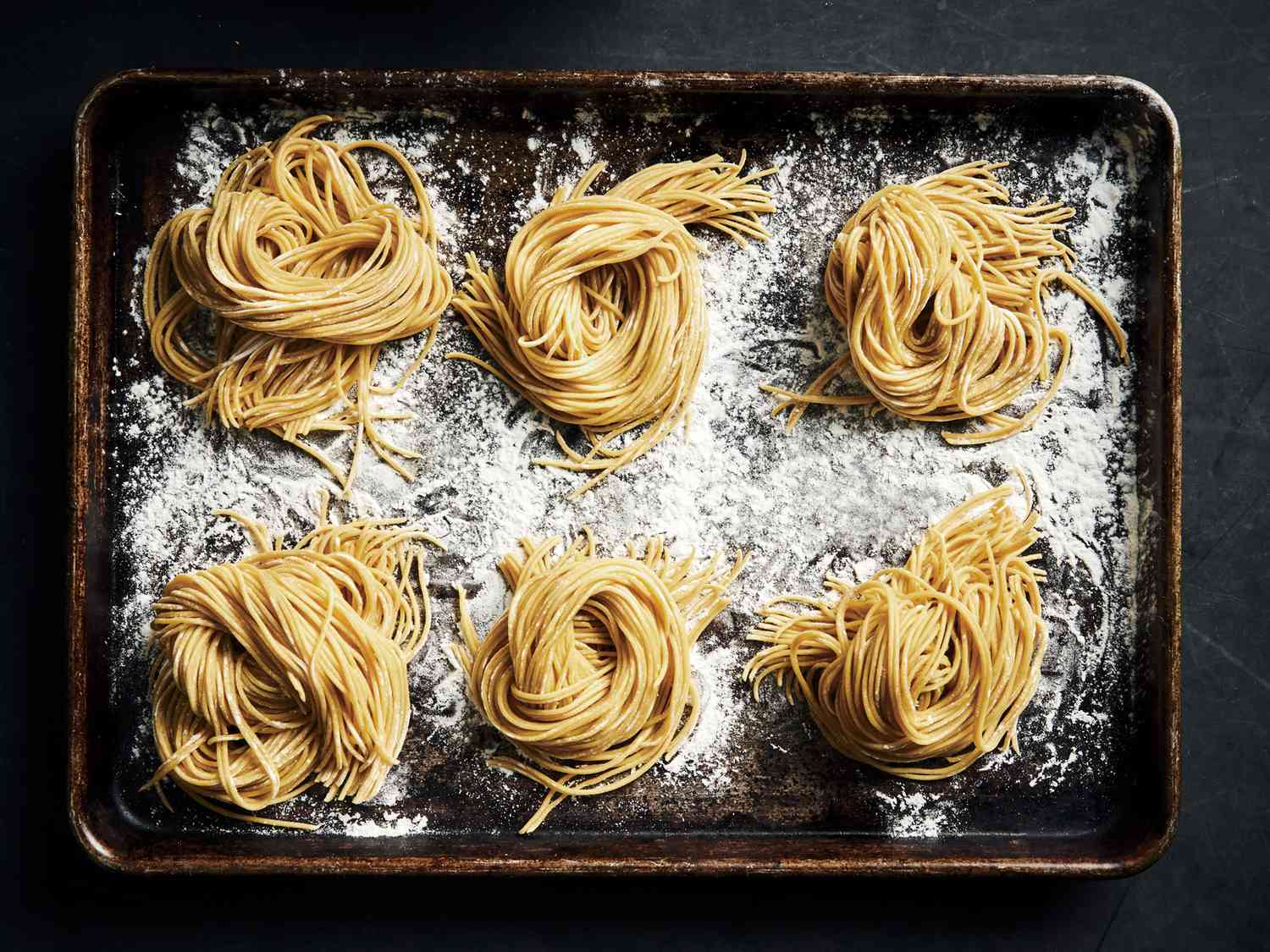
Tagliolini is a classic Italian pasta known for its thin, ribbon-like shape and delicate texture. This egg-based pasta originates from Northern Italy, where it has been a staple in traditional recipes for centuries.
Compared to other pasta types, tagliolini pasta is thinner than tagliatelle but slightly wider than capellini. It is perfect for light sauces, delicate seafood, and truffle-infused dishes. Whether used in tagliolini al tartufo nero or a simple butter and cheese preparation, its versatility makes it a favorite in Italian cuisine.
The tagliolini pronunciation is [taʎʎoˈliːni], which reflects its Italian origins. Due to its quick cooking time, it is an ideal choice for elegant yet simple dishes that highlight the rich flavors of Italian ingredients.
History and Origins of Tagliolini
Tagliolini has deep roots in Italian culinary history, particularly in Piedmont and Emilia-Romagna. The name derives from the Italian word “tagliare,” meaning “to cut,” referring to the way it is prepared. Historically, tagliolini pasta was a luxury food enjoyed by aristocrats and nobility, often served with black truffles or rich broths.
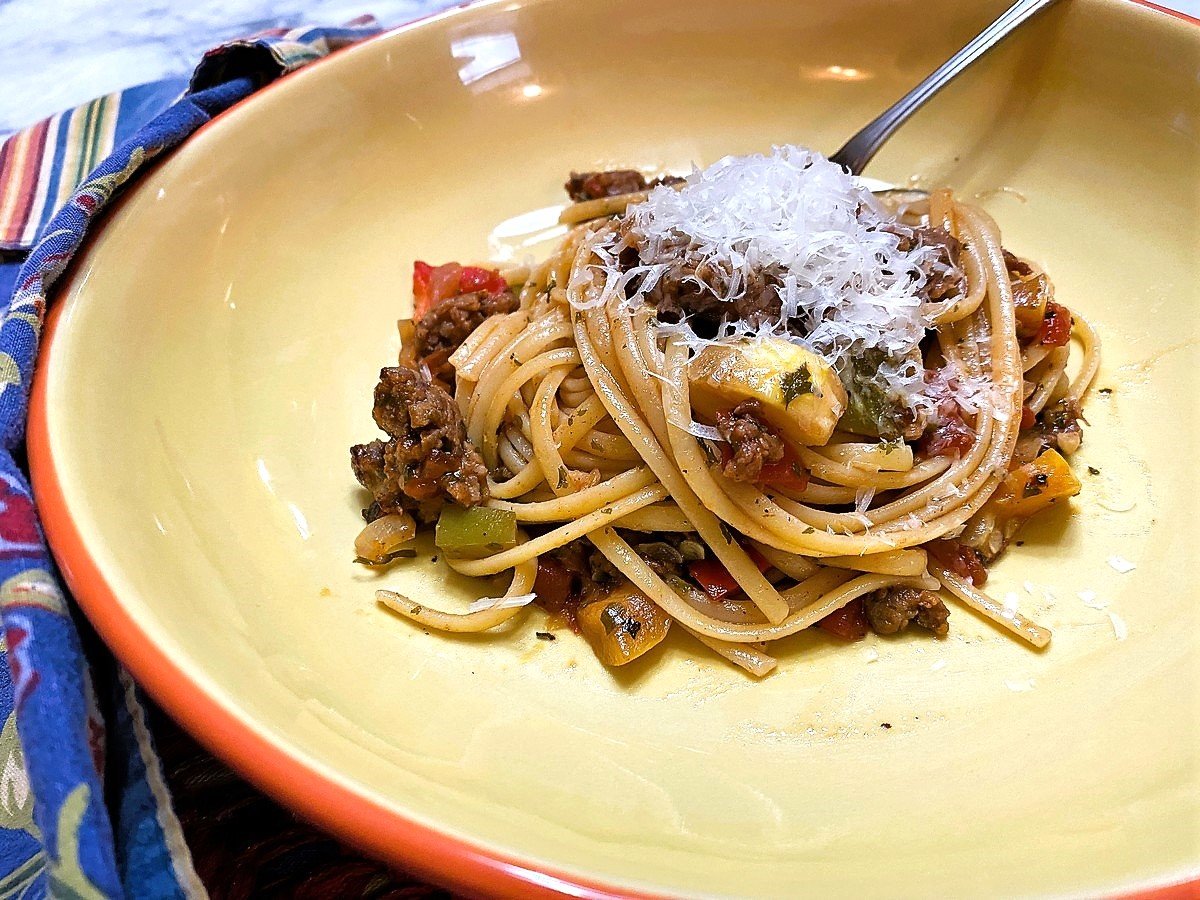
In Piedmont, a variation called tajarin is made with a higher egg yolk content, giving it a golden color and rich texture. In Emilia-Romagna, tagliolini al ragù is a popular dish, where it is paired with slow-cooked meat sauce. Over the centuries, this delicate pasta has been adapted across regions, using local ingredients and unique preparation methods to create a variety of authentic Italian recipes.
How Tagliolini is Made
- Traditional Ingredients: The classic tagliolini pasta recipe consists of flour, eggs, and a pinch of salt. Some variations include semolina flour for added texture.
- Handmade Process: The dough is kneaded until smooth, then rolled out into thin sheets before being cut into strips.
- Machine-Made Tagliolini: Many modern producers use pasta machines to ensure uniform thickness and texture.
- Fresh vs. Dried: Fresh tagliolini has a shorter cooking time and a more delicate bite, while dried versions offer longer shelf life and a firmer texture.
- Flavored Varieties: Some regions produce black tagliolini, made with squid ink, or truffle tagliolini, infused with truffle essence for added depth.
Tagliolini vs. Other Pasta Types
| Pasta Type | Width | Texture | Best Pairings |
| Tagliolini | 2-3 mm | Thin, delicate | Light sauces, seafood |
| Tagliatelle | 6-8 mm | Ribbon-like | Meat sauces, creamy dishes |
| Capellini | 1 mm | Extremely thin | Olive oil, tomato-based sauces |
| Fettuccine | 6 mm | Thick, firm | Heavy cream-based sauces |
| Spaghetti | Round | Firm, chewy | Versatile (meat, seafood, cream) |
Traditional Tagliolini Recipes
- Tagliolini al Tartufo – A luxurious dish featuring black truffles and butter.
- Tagliolini al Limone – A fresh, tangy pasta with a lemon cream sauce.
- Tagliolini in Brodo – A comforting soup made with homemade broth.
- Tagliolini con Burro e Parmigiano – A simple yet rich dish with butter and Parmesan.
- Lobster Tagliolini – A seafood variation served with lobster-infused sauce.
- Tagliolini Cacio e Pepe – A creamy, peppery dish made with cheese and black pepper.
- Tagliolini allo Scoglio – A seafood medley featuring mussels, shrimp, and clams.
Regional Variations of Tagliolini
Tagliolini is prepared differently across various Italian regions:
- Piedmont: Tajarin al Tartufo, rich with black truffles.
- Emilia-Romagna: Tagliolini al Ragù, served with a slow-cooked meat sauce.
- Campobasso: Tagliolini di Campobasso, a local specialty with regional cheeses.
- Veneto: Seafood-infused Tagliolini, such as lobster tagliolini or tagliolini allo scoglio.
- Naples: Crostata di Tagliolini, a unique pasta pie baked with cheese and eggs.
How to Cook Tagliolini Perfectly
- Boil salted water in a large pot.
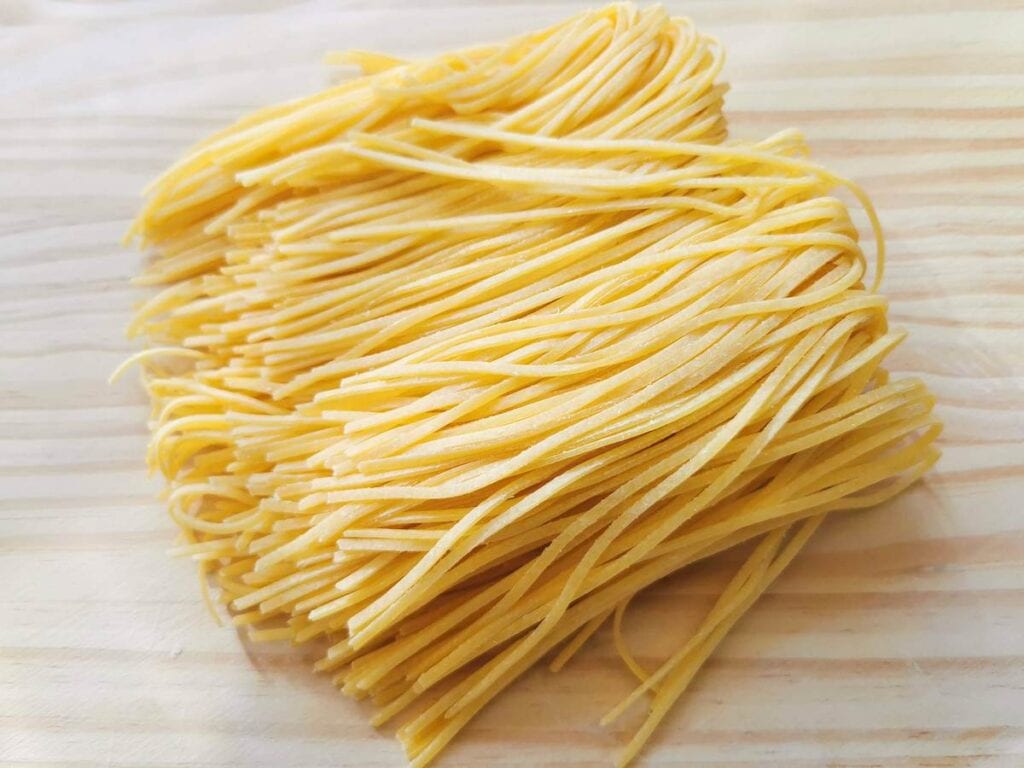
- Cook fresh tagliolini for 2-3 minutes, dried tagliolini for 6-7 minutes.
- Drain and reserve pasta water to adjust sauce consistency.
- Toss with sauce to coat evenly.
- Serve immediately, garnished with cheese, herbs, or truffle shavings.
Pairing Tagliolini with Sauces and Ingredients
- Cream-Based Sauces: Tagliolini Cacio e Pepe, tagliolini al limone.
- Seafood Pairings: Tagliolini allo scoglio, lobster tagliolini.
- Truffle and Mushrooms: Tagliolini al tartufo nero, truffle tagliolini.
- Light Olive Oil Sauces: Tagliolini con Burro e Parmigiano.
Tagliolini in Modern Cuisine
- Fusion Dishes: Tagliolini is now featured in Asian-Italian fusion recipes.
- Fine Dining: Used in Michelin-starred restaurants for truffle-based dishes.
- Vegan Variations: Some chefs create egg-free versions using alternative flours.
Health Benefits of Tagliolini
- Rich in Protein: Due to its egg content.
- Low in Fat: When served with light sauces.
- Can Be Whole Wheat: Providing fiber and nutrients.
How to Store and Preserve Tagliolini
- Fresh Pasta: Store in airtight containers, lasts 2-3 days in the fridge.
- Dried Pasta: Keep in cool, dry places, good for several months.
- Freezing: Fresh tagliolini can be frozen for up to 3 months.
Conclusion of Tagliolini
Tagliolini is a timeless gem in Italian cuisine, celebrated for its thin, ribbon-like texture and versatility. Originating from Piedmont and Emilia-Romagna, this pasta has been cherished for centuries, finding its way into both traditional and modern recipes. Whether enjoyed as tagliolini al tartufo, tagliolini al limone, or tagliolini al ragu, it remains a staple in gourmet and home-cooked meals alike.
Its delicate structure allows it to absorb flavors effortlessly, making it perfect for pairing with truffle, seafood, butter, and light sauces. Unlike thicker pastas like tagliatelle or fettuccine, tagliolini offers a more refined experience, blending seamlessly with both rich and delicate ingredients.
As Italian cuisine continues to evolve, tagliolini pasta holds its place as a symbol of culinary excellence. Whether you’re indulging in lobster tagliolini, black tagliolini, or crostata di tagliolini, this pasta promises an unforgettable dining experience.
