

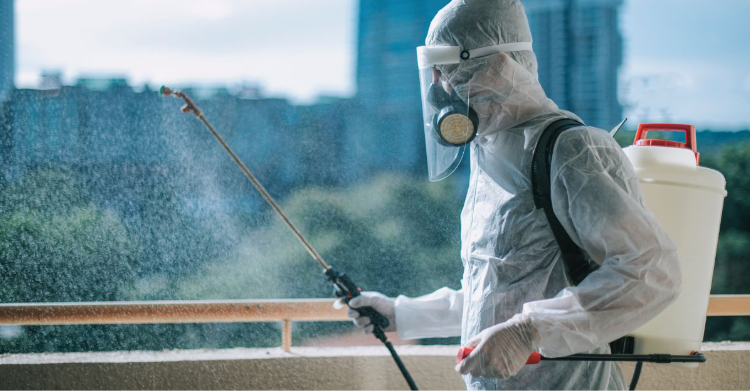
Microbial pest control is an innovative approach to managing pests that relies on beneficial microorganisms to suppress harmful populations. Utilizing these natural agents can achieve eco-friendly pest control that reduces reliance on chemical pesticides. This method targets specific pests and promotes a balanced ecosystem, contributing to sustainable pest management practices.
Microbial pest control can significantly enhance your agricultural practices or home gardening efforts. You can improve soil health and biodiversity while keeping pest numbers in check. As you explore this topic further, you will discover how these biological solutions can benefit your plants and the environment.
Join the growing movement towards more sustainable pest management techniques. Embracing microbial solutions enables you to protect your crops and gardens without compromising ecological integrity. Understanding this innovative strategy empowers you to make informed decisions that align with your values for a healthier planet.
Basics of Microbial Pest Control
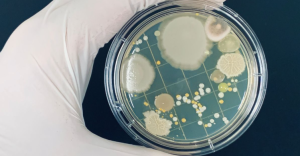
Microbial pest control relies on beneficial bacteria and other microorganisms to manage pests sustainably. By using natural pest solutions, you can enhance pest management strategies while minimizing chemical inputs.
Understanding Beneficial Bacteria
Beneficial bacteria play a crucial role in microbial pest control. These microorganisms can suppress pest populations through various mechanisms. For instance, specific strains of Bacillus thuringiensis produce toxins that are harmful to certain insect larvae but safe for beneficial organisms.
In addition, beneficial bacteria can outcompete harmful pathogens for resources, effectively reducing their prevalence. Their application often involves formulating these bacteria into products that can be sprayed on crops or introduced into the soil, promoting a healthier ecosystem.
These solutions are offered by local suppliers in areas like Irving, highlighting the importance of sourcing effective microbial options for your specific needs.
Principles of Biological Pest Management
Biological pest management emphasizes using natural organisms to control pest populations. This method aligns with sustainable pest management practices, focusing on ecological harmony.
Microbial pest control enhances this approach by integrating beneficial bacteria into your pest management strategy. The key principles include:
- Target specificity: Only harmful pests are affected, which protects beneficial insects and other organisms.
- Sustainability: These methods reduce reliance on chemical pesticides, promoting long-term ecological health.
- Adaptation: The ability of bacteria to evolve means they can adapt to changing pest populations.
These principles can help maintain a balanced environment while effectively managing pest challenges.
Microbial Pest Control Applications
Microbial pest control is vital in managing pest populations in various environments. Understanding how these applications function can enhance pest management strategies and promote sustainable practices.
Agricultural Settings
In agricultural settings, bacteria-based pest control is gaining traction as a preferred management strategy. These microbial agents target specific pests without harming beneficial insects or the crop.
For example, Bacillus thuringiensis (Bt) is a well-known bacterium used to control caterpillar pests. It produces toxins lethal to these insects while safe for humans and animals. Farmers often apply Bt as a foliar spray or incorporate it into soil treatments.
Infestation prevention techniques are essential in this context. Crop rotation and companion planting can enhance the effectiveness of microbial applications. Monitoring pest populations regularly ensures timely interventions, reducing the reliance on chemical pesticides.
Urban Environments
Microbial pest control seeks to manage pests such as ants, cockroaches, and other common infestations in urban environments. Using bacteria-based solutions in homes and commercial spaces minimizes exposure to harsh chemicals.
For instance, certain formulations of Bacillus sp. can disrupt pests’ life cycles by targeting their reproductive systems. These products are often administered through bait stations or sprays, ensuring they reach the intended areas effectively.
Biological pest management techniques, such as introducing natural predators or enhancing microbial communities in the soil, are also utilized. Additionally, educating residents about preventive measures, like proper waste disposal and sealing entry points, is crucial in reducing pest infestations.
Implementing Microbial Pest Control

Effective microbial pest control implementation involves careful planning and ongoing management. Preparation and safety measures are crucial for a successful application, alongside consistent monitoring and maintenance to ensure the approach’s effectiveness.
Preparation and Safety Measures
Before initiating microbial pest control, evaluate the infested area thoroughly. Identify the specific pests and the appropriate microbial solutions, such as Bacillus thuringiensis for caterpillar control.
Safety measures are vital. Always wear protective clothing, including gloves and masks, to avoid direct exposure to microbial agents. Conduct a risk assessment to evaluate potential impacts on non-target organisms and the environment.
Incorporate eco-friendly pest control principles by selecting naturally occurring microbial agents that target specific pests without harming beneficial insects. Proper storage and disposal of microbial products are essential to prevent unintended spread or contamination.
Monitoring and Maintenance
Once microbial pest control is in place, regular monitoring is essential to assess its effectiveness. Periodically check for signs of pest activity or damage, which can guide subsequent treatments.
Maintaining a clean environment helps prevent re-infestation. Infestation prevention techniques are critical, such as sealing entry points and managing waste. You should also adjust treatment plans based on monitoring results.
Keep records of pest populations and microbial applications to track progress. Consider consulting with local experts through Irving Texas Pest Control for tailored solutions in regions like Irving. Many companies offer free inspections to address your pest concerns efficiently.
