

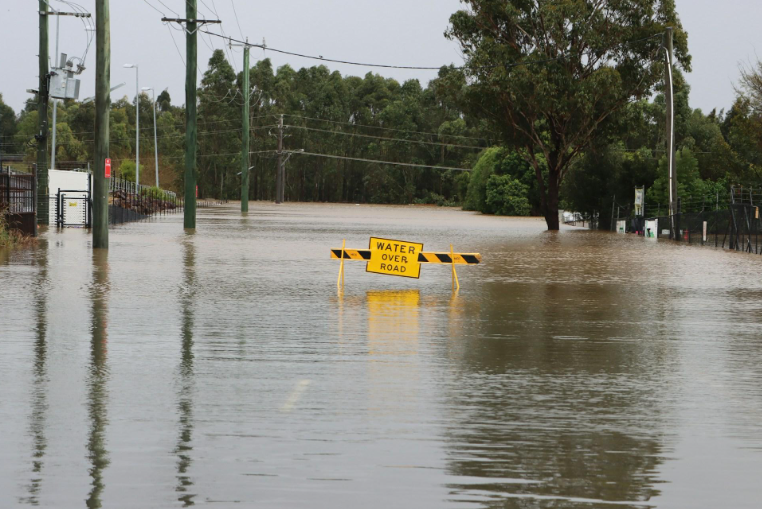
Washington is known for its lush landscapes and stunning natural beauty, but its reputation for rainfall is just as famous. While the constant showers may be great for keeping everything green, they can wreak havoc on your RV. The wet climate can turn your prized vehicle into a costly nightmare in no time. When dealing with a damp environment, water damage becomes a very real and dangerous problem for RV owners. From leaky roofs to moldy interiors, the effects of rain can quickly lead to severe damage. If left unchecked, this damage may transform your once-useful RV into something that seems closer to junk. In these situations, it can be wise to sell your junk RV in Washington before the damage gets worse.
The Dangers of Water Damage to RVs
Water damage is one of the most common issues RV owners face, especially in Washington, where heavy rains can persist for months. While it may seem like a minor annoyance at first, even a small leak can lead to major structural damage if ignored. Moisture can seep into the walls, floors, and ceiling, slowly weakening the entire framework of your RV.
Beyond structural damage, water infiltration can lead to mold and mildew growth, which poses health risks to anyone staying inside. Breathing in mold spores can cause respiratory issues, allergic reactions, and other long-term health problems. Additionally, mold and mildew stains are incredibly hard to remove, making your RV look unsightly and reducing its resale value. In no time, an RV that looks fine on the outside may be worthless due to hidden internal problems caused by water.
Common Causes of Water Damage in RVs
While water damage is often an issue for Washington RV owners, knowing what causes it can help you stay ahead of the problem. Here are a few of the most common ways moisture can sneak into your RV:
- Leaky roofs: Aging roofs and improper sealing allow water to drip inside, damaging the ceiling, walls, and furniture.
- Faulty windows: Poorly sealed or broken windows are an open invitation for rainwater to make its way inside.
- Compromised seams: Over time, the seams of your RV can deteriorate, causing water to penetrate the structure.
- Roof-top accessories: Items like air conditioners and vents that aren’t sealed correctly can let water into your RV’s interior.
- Poor storage: When not in use, improperly storing your RV in exposed areas can speed up the wear and tear that can lead to leaks.
Addressing these issues promptly is crucial for keeping your RV in good shape. However, once significant water damage sets in, it can become too expensive to fix.
Why Water Damage Turns RVs into Junk
Water damage doesn’t just affect your RV’s appearance—it impacts its overall performance and safety. Over time, moisture can wreak havoc and cause wood to rot, metal parts to corrode, and electrical systems to malfunction. A waterlogged RV becomes more prone to mechanical issues, increasing the cost of repairs and reducing its reliability on the road.
The biggest concern is safety. Structural damage compromises the integrity of the RV, making it unsafe to drive or live in. An RV with severe water damage may even fail inspections, meaning it’s no longer road-legal. At this point, fixing the RV can be more expensive than it’s worth. Even if the RV still drives, its value has plummeted due to the extensive damage. What was once a fun travel companion may now be classified as a junk RV—meaning it no longer holds enough value to sell through traditional methods.
Signs It’s Time to Sell Your Junk RV
Recognizing when your RV has crossed the line from repairable to junk is key. Trying to keep a water-damaged RV can cost you more in repairs than you’d gain from using or selling it. Here are signs it’s time to consider selling:
- Mold growth throughout the interior
- Persistent musty smells that don’t go away with cleaning
- Soft or spongy flooring caused by water seeping in
- Delamination, where the walls begin to bubble or peel away
- Ongoing electrical problems or malfunctioning appliances
- Visible rust or corrosion on key components like the frame or engine
Once these issues start appearing, you may be better off cutting your losses. Continuing to pour money into fixing these problems can drain your wallet, and the RV’s value will likely not increase much. Selling a damaged RV to a specialized buyer who knows how to handle water-damaged vehicles is often the smarter route.
Why Selling to a Specialized Junk RV Dealer is Smart
When your RV suffers from water damage, selling it through traditional channels can be tough. Most buyers shy away from costly repairs, and dealerships often offer low prices for damaged vehicles. However, specialized dealers who buy junk RVs, including those with water damage, understand the vehicle’s current value and are willing to offer a fair price.
By selling to one of these dealers, you can skip the stress of repairs or negotiating with private buyers. You’ll be able to sell your RV quickly, receive cash, and move on to something more reliable. Don’t let Washington’s rainy weather turn your RV into junk—sell it before the damage worsens.
