

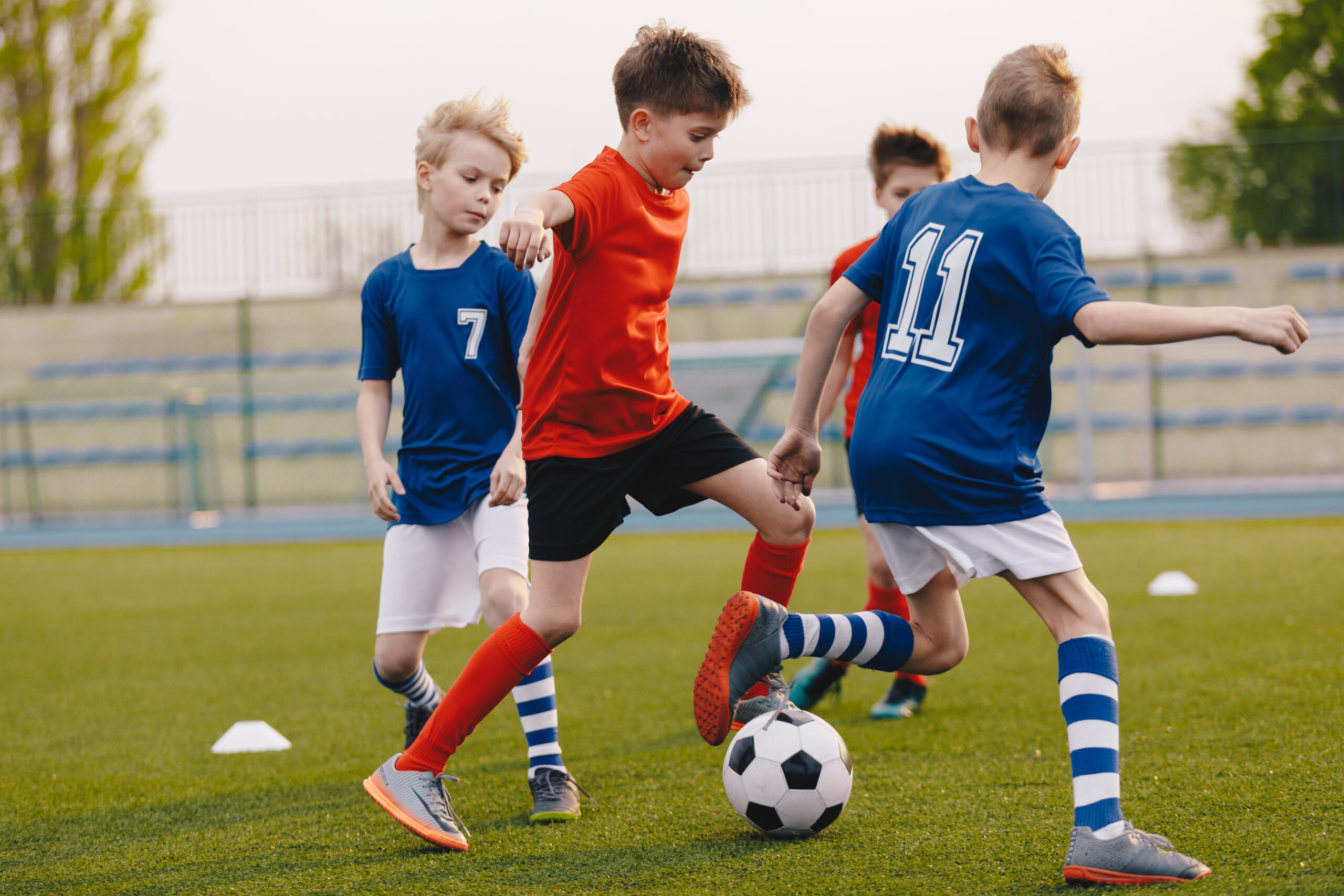
Competitive games have long been a source of excitement for participants. Whether in physical sports or online games, competition offers a unique set of emotions that can greatly affect one’s mood and mental state. These emotions, ranging from joy to frustration, often stem from the natural human desire to test and prove abilities. The pursuit of victory activates psychological responses that stimulate both body and mind, creating a powerful emotional experience.
The joy experienced during competitive games is not only tied to winning. Even the process of overcoming challenges and facing worthy opponents contributes to the overall enjoyment. The opportunity to engage in a contest of skill, strategy, and focus provides an intrinsic reward for many participants. This is particularly evident in sports like kickboxing, where mental and physical endurance are put to the test. For instance, athletes often experience a boost in confidence and satisfaction through such experiences. More information about the emotional and physical impact of competitive sports like kickboxing can be found on 7Slots resmi sitesi.
Why Competition Brings Joy
Joy in competition often stems from the fulfillment of basic psychological needs such as competence, autonomy, and relatedness. Competence involves mastering a skill or task, while autonomy relates to having control over decisions and actions. These elements are deeply ingrained in competitive games, where players must rely on their own decisions and skills to succeed. The sense of relatedness, or being part of a larger community, is also prevalent in team-based games and sports, where participants share common goals and experiences.
Moreover, the unpredictability of competitive games introduces an element of surprise, which can further amplify the emotional response. The adrenaline rush that occurs in tense moments fuels engagement and often leads to heightened enjoyment, regardless of the outcome. This emotional rollercoaster, filled with highs and lows, is part of what keeps players coming back for more.
Impact on Emotional State
The emotional state of players can vary significantly depending on the outcome of the competition. Winning typically brings feelings of accomplishment and happiness, while losing can lead to disappointment and frustration. However, it’s essential to recognize that competition also helps build resilience. Learning to manage emotional highs and lows, whether in victory or defeat, contributes to personal growth.
At the same time, repeated exposure to competition can lead to emotional fatigue. Players who invest heavily in a competitive environment without managing their stress levels may experience burnout. It’s crucial to strike a balance between intense competitive moments and periods of rest to maintain emotional well-being.
