

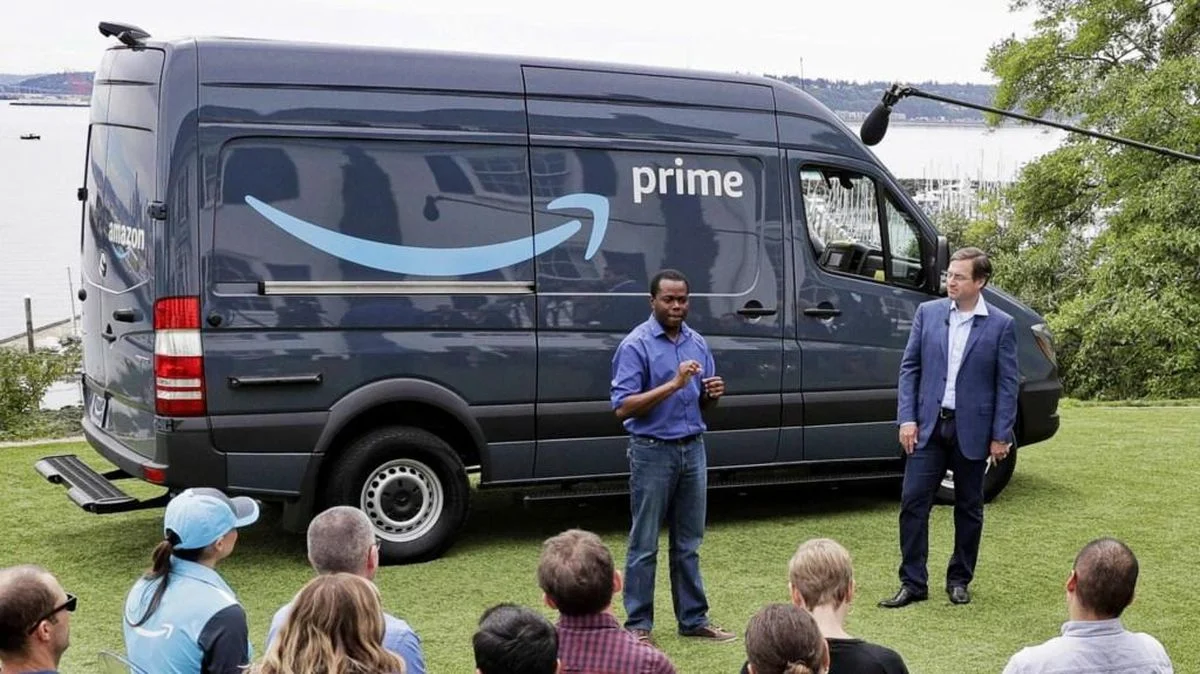
The rapid expansion of Amazon’s delivery network has led to a significant increase in the number of Amazon delivery vehicles on the road. While this growth has allowed the company to meet the growing demand for fast deliveries, it has also raised serious safety concerns. With more delivery vehicles navigating both urban and suburban areas, traffic congestion, parking violations, and accidents involving pedestrians, cyclists, and other drivers are becoming more common. As Amazon continues to expand its fleet, addressing the safety issues accompanying this increase is critical for ensuring the safety of drivers and the general public.
Increased Traffic Congestion and Risk of Accidents
The sheer number of Amazon delivery vehicles operating in densely populated areas has exacerbated traffic congestion, particularly during peak hours. Delivery drivers often make frequent stops, which can create disruptions in the flow of traffic. In areas where streets are already narrow or overcrowded, these vehicles can significantly slow down traffic or cause bottlenecks. As drivers hurry to meet tight delivery schedules, the risk of accidents increases, especially in high-traffic zones or near intersections.
Accidents involving Amazon delivery vehicles are becoming more common, especially as the volume of deliveries surges. These accidents can result in property damage, injuries, or worse. For individuals who have been hit by an Amazon delivery driver, it may be necessary to seek legal assistance to handle the complexities of liability and obtain compensation. Ensuring proper training for delivery drivers and implementing measures to reduce congestion in delivery zones are key to minimizing the risks associated with increased traffic.
Parking Violations and Safety Hazards
Amazon delivery drivers, like many others, are under intense pressure to complete their routes quickly. As a result, they often resort to double parking, parking in bike lanes, or obstructing pedestrian pathways when making deliveries. These parking violations can create serious safety hazards, especially for pedestrians and cyclists. Blocking bike lanes forces cyclists into traffic, increasing the risk of collisions with vehicles. Similarly, parking on sidewalks or in front of crosswalks can impede pedestrian movement and create dangerous situations, particularly for those with mobility challenges or children.
To address these concerns, cities may need to adapt their infrastructure by creating more designated loading zones for delivery vehicles and strictly enforcing parking regulations. While delivery drivers face intense time pressures, improving parking options and reducing the need for illegal parking can help alleviate safety risks and make urban environments safer for all road users.
Driver Fatigue and Overworked Conditions
The pressure to meet tight delivery windows has also raised concerns about driver fatigue among Amazon delivery personnel. Long working hours, high delivery quotas, and the constant need to navigate unfamiliar routes can take a toll on drivers. Fatigued drivers are more likely to make mistakes, potentially leading to accidents. In many cases, Amazon drivers work under contract for third-party logistics companies, which may push drivers to meet strict performance targets without adequate rest breaks.
Fatigue is a known contributor to vehicle accidents, and delivery drivers who are overworked are at an increased risk of falling asleep at the wheel, missing traffic signals, or making poor judgment calls in emergency situations. To mitigate these risks, Amazon and its delivery partners should prioritize driver well-being by ensuring that drivers have reasonable workloads, regular breaks, and access to safety training that emphasizes the importance of rest and alertness on the road.
Pedestrian and Cyclist Safety at Risk
The rise in Amazon delivery vehicles has brought increased safety risks for pedestrians and cyclists. Delivery drivers, who are often focused on navigating tight streets and meeting deadlines, may not always be fully aware of pedestrians or cyclists in their immediate surroundings. In dense urban areas where pedestrian traffic is high, the potential for collisions with vulnerable road users is elevated. Delivery trucks making sudden stops, backing into tight spaces, or turning quickly around corners can pose a direct threat to cyclists and pedestrians.
To help mitigate these risks, Amazon delivery drivers should be required to undergo additional safety training that emphasizes the need to be aware of their surroundings, particularly in areas where pedestrian and cyclist traffic is prevalent. Investing in technologies such as proximity sensors and rearview cameras on delivery vehicles can also help reduce the risk of accidents by alerting drivers to nearby pedestrians and cyclists.
Increased Risk of Collisions in Residential Areas
With the growing popularity of home deliveries, Amazon vehicles are increasingly present in residential neighborhoods. These areas are often not designed to accommodate the high volume of commercial vehicles now traversing them, which raises concerns about the safety of residents, particularly children who may be playing or walking near streets. Residential roads can be narrow, with limited visibility at intersections and driveways, increasing the risk of collisions with other vehicles or pedestrians.
In residential areas, delivery drivers need to exercise extra caution, particularly when driving through school zones or areas where children are likely to be present. Implementing stricter speed limits for delivery vehicles in residential neighborhoods and using route planning software to avoid driving through areas with high pedestrian activity during peak times can help reduce the likelihood of accidents.
Addressing Safety Concerns Moving Forward
As Amazon’s delivery fleet continues to grow, addressing these safety concerns will become increasingly important. Implementing better training for drivers, improving urban infrastructure to accommodate delivery vehicles, and focusing on reducing driver fatigue are crucial steps toward ensuring the safety of everyone on the road. Cities and delivery companies must work together to create safer environments for drivers, pedestrians, cyclists, and other road users.
Ultimately, balancing the need for efficient deliveries with public safety will require concerted efforts from Amazon, its delivery partners, and local governments. Proactive measures such as improved regulations, more stringent training protocols, and technology-driven solutions can help minimize the risks posed by the increasing number of Amazon delivery vehicles on the road.
Environmental Impact and Vehicle Wear from Increased Mileage
The increased number of Amazon delivery vehicles on the road also brings concerns about environmental impact and the accelerated wear and tear on delivery trucks. With the rise of online shopping, delivery drivers are logging more miles than ever, leading to higher fuel consumption and greater emissions. While Amazon has taken steps toward sustainability, including investing in electric delivery vehicles, the current fleet still relies heavily on gasoline-powered trucks, which contributes to pollution and environmental degradation.
In addition to environmental concerns, the heavy mileage causes significant wear and tear on delivery vehicles. Frequent maintenance is needed to ensure that trucks remain safe and operational. If vehicles aren’t regularly serviced, there’s a heightened risk of mechanical failures that could lead to accidents.
