

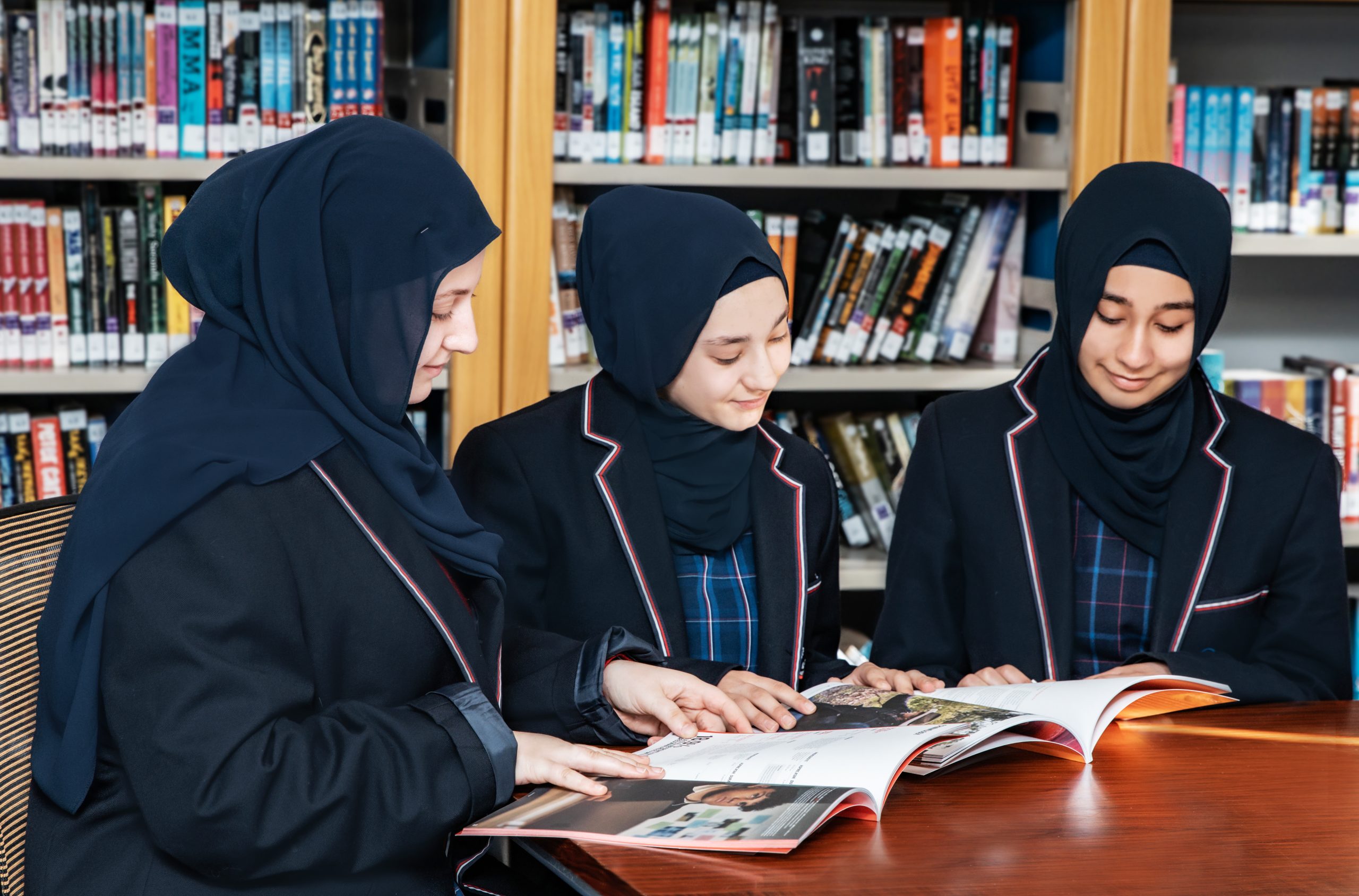
Quality Islamic education in Melbourne should be a comprehensive, balanced, and forward-thinking system that equips students with strong academic skills, deep Islamic knowledge, and the ability to thrive in contemporary Australian society. Melbourne, with its diverse Muslim community and multicultural environment, presents a unique opportunity for Islamic schools to develop innovative educational approaches. These institutions should strive to create a learning environment that not only preserves Islamic values but also prepares students to be confident, competent, and contributing members of both their religious community and the broader Australian society. The ideal quality Islamic education in Melbourne would encompass several key elements, each contributing to the holistic development of students.
Academic Excellence
A quality Islamic education in Melbourne must prioritize academic excellence. Schools should offer a rigorous curriculum that meets and exceeds Australian educational standards across all subjects. This means providing top-notch instruction in mathematics, sciences, literature, and the arts, ensuring students are well-prepared for higher education and competitive in the job market. Islamic schools should aim to consistently achieve high NAPLAN scores and VCE results, demonstrating that Islamic education can produce academic outcomes on par with or surpassing those of the best secular schools in the state. I’ve seen firsthand how some Islamic schools in Melbourne have produced graduates who go on to excel in fields like medicine, engineering, and law – a testament to their academic rigor.
Islamic Studies Integration
While academic excellence is crucial, what sets Islamic education apart is its integration of Islamic studies into the curriculum. Quality Islamic education should offer a comprehensive Islamic studies program that covers Quranic studies, hadith, fiqh, and Islamic history. However, the approach should go beyond mere memorization. Students should be encouraged to engage critically with Islamic texts, understand the context and application of Islamic principles, and explore the rich intellectual tradition of Islam. Moreover, Islamic teachings should be seamlessly woven into other subjects, demonstrating the relevance of Islamic principles across various fields of knowledge.
Character Development
A hallmark of quality Islamic education is its emphasis on character development. Melbourne’s Islamic schools should prioritize nurturing students’ akhlaq (moral character) based on Islamic values. This involves creating a school culture that embodies and reinforces virtues such as honesty, compassion, respect for diversity, and social responsibility. Character education should not be confined to Islamic studies classes but should permeate all aspects of school life, from classroom interactions to extracurricular activities. Schools might implement mentoring programs, community service initiatives, and leadership development opportunities to foster these qualities in students.
Cultural Competence
Given Melbourne’s multicultural landscape, quality Islamic education should prepare students to navigate diverse cultural contexts confidently. This means helping students develop a strong Islamic identity while also fostering an appreciation for and understanding of other cultures. Schools should provide opportunities for interfaith dialogue, cultural exchange programs, and community engagement projects. By doing so, they can produce graduates who are comfortable with their Muslim identity and capable of building bridges with people from various backgrounds – a crucial skill in Melbourne’s diverse society.
Innovation and Technology Integration
To prepare students for the future, quality Islamic education in Melbourne should embrace innovation and technology. This includes incorporating modern teaching methods, such as project-based learning and flipped classrooms, as well as integrating technology into the curriculum. Islamic schools should have well-equipped computer labs, coding classes, and programs that teach digital literacy and online safety from an Islamic perspective. I’ve been impressed by some Islamic schools in Melbourne that have introduced robotics clubs and app development courses, showing that Islamic education can be at the forefront of technological education.
Holistic Development
Quality Islamic education should focus on the holistic development of students, addressing their physical, emotional, and social needs alongside their intellectual and spiritual growth. This could involve offering a range of sports programs, arts and music classes (within Islamic guidelines), and extracurricular activities that cater to diverse interests. Additionally, schools should provide robust counseling services and mental health support, recognizing the unique challenges Muslim youth may face in balancing their faith with societal pressures.
Community Engagement
Finally, quality Islamic education in Melbourne should foster strong connections with the broader Muslim community and the wider Australian society. Schools should serve as community hubs, offering programs and events that bring families together and strengthen community bonds. This might include hosting lectures by visiting scholars, organizing family iftars during Ramadan, or coordinating community service projects. By engaging with local government, interfaith groups, and civic organizations, Islamic schools can also help students develop a sense of civic responsibility and active citizenship within the Australian context.
