

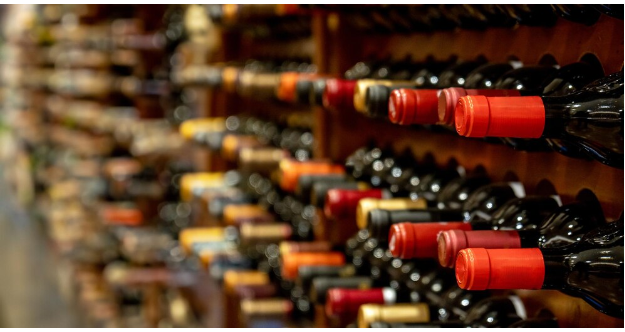
🍷Dive into the intriguing world of Old vs New World wines. Uncover their unique characteristics and top selections! 🗺🍾 #WineLovers”
Understanding the distinction between Old World and New World wines not only enhances your appreciation of wine but also influences flavour profiles and guides food pairings, resulting in a richer culinary experience.
Understanding Old World Wines
Old World wines are those produced in traditional European regions, where winemaking has deep historical roots. These wines are characterized by a strong emphasis on terroir—the unique combination of soil, climate, and local practices that shape each vintage. The debate around old world vs new world wine often highlights the differences in style, approach, and philosophy between these two categories. The origins of Old World winemaking can be traced back to ancient practices across various cultures, establishing a legacy that continues to influence today’s methods.
Varieties of Grapes Used in Old World Wines
Old World wines are crafted from a diverse array of grape varieties, such as Cabernet Sauvignon, Merlot, Pinot Noir, and Sangiovese. Each variety contributes its unique flavours and characteristics, reflecting the specific terroirs and winemaking traditions of their regions. For instance, a Burgundy Pinot Noir typically exhibits earthy notes and a subtle fruitiness, while a Chianti made from Sangiovese might feature bright cherry flavours with a hint of herbal complexity.
Food Pairing with Old World Wines
Pairing cuisine from the Old World with its wines can create a symphony of flavours that enhance the dining experience. Regional dishes—such as coq au vin from France or osso buco from Italy—complement vintage wines beautifully, elevating every meal. The harmonious blend of food and wine not only enriches the palate but also connects you to the cultural heritage of the wine’s origin.
Understanding New World Wines
In contrast, New World wines are produced outside the traditional European wine regions, primarily in the Americas, Australia, and parts of Asia. These wines often showcase innovative techniques and a focus on varietals, reflecting a more modern approach to winemaking. The New World’s diverse climates and growing conditions allow for a wide range of styles and flavours, often resulting in bolder and fruitier profiles.
Varieties of Grapes Used in New World Wines
New World wines feature a broad spectrum of grape varieties, including well-known ones like Cabernet Sauvignon, Merlot, Zinfandel, and Chardonnay. Each of these varietals brings its unique attributes to the table. For example, a California Cabernet Sauvignon is often recognized for its full body, rich fruit flavours, and higher alcohol content, making it a favourite for those who enjoy robust wines.
Food Pairing with New World Wines
Exploring New World wines opens up exciting possibilities for food pairing. The bold flavours and diverse profiles of these wines can elevate any meal, from barbecued meats to spicy Asian dishes. Experimenting with pairings—like enjoying a Zinfandel with grilled ribs or a crisp Sauvignon Blanc with fresh seafood—can lead to delightful culinary discoveries that enhance both the wine and the food.
Old World vs New World Wines: Understanding the Differences
Differences in Winemaking Techniques
The winemaking techniques employed in Old World and New World regions differ significantly, influenced by factors such as grape type, climate, and long-standing traditions. Old World winemakers often adhere to centuries-old practices, while New World producers may embrace innovative approaches, including modern technology and experimental techniques. These variations shape the flavour profile and character of the wines produced.
Contrast in Flavor and Body
The distinction in flavour and body between Old and New World wines creates a rich tapestry of sensations for wine lovers to explore. Old World wines tend to have a more restrained, nuanced character, often with higher acidity and lower alcohol levels, while New World wines are typically bolder, fruit-forward, and more approachable. This contrast enhances the overall experience and allows for a deeper appreciation of each element.
Disparity in the Aging Process
The ageing process for wines also varies considerably between Old and New World styles. Traditional Old World wines often benefit from longer ageing in oak barrels, developing complex flavours over time. Conversely, many New World wines are designed to be consumed younger, showcasing their vibrant fruit characteristics. This difference impacts the overall taste and mouthfeel, contributing to the unique experience each type offers.
Differences in Labelling
Variations in labelling practices can lead to confusion and misinterpretation among consumers. Old World wines often feature place-based designations, reflecting the region of origin, while New World wines may highlight the grape variety prominently. This can influence consumer choices and perceptions, and it plays a significant role in regulatory compliance across different industries.
Conclusion
In summary, both Old World and New World wines offer unique experiences shaped by their histories, regions, and winemaking philosophies. Understanding these differences not only enriches your wine knowledge but also enhances your enjoyment of food and wine pairings. So, whether you’re sipping a classic Bordeaux or a bold Napa Valley Cabernet, there’s a world of flavours waiting to be explored!
FAQs
What is the difference between New World Wine and Old World wine?
Old World wines originate from traditional European regions, emphasizing terroir and heritage, while New World wines come from newer regions focusing on innovation and fruitiness.
What is considered New World in wine?
New World in wine refers to regions outside Europe that produce grapes, including countries like the United States, Australia, and South Africa.
What wines are considered Old World?
Old World wines originate from traditional wine-producing regions in Europe, including France, Italy, Spain, and Germany. They emphasize terroir and classic winemaking techniques.
Why are Old World wines better?
Old World wines are superior due to their heritage, intricate traditions, regional regulations, distinct terroirs, and skillful craftsmanship that emphasize quality over quantity.
