

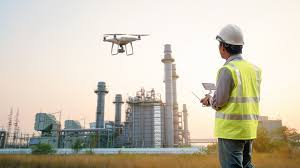
Drones are revolutionizing the way utilities manage their assets. Imagine flying machines that inspect power lines, monitor pipelines, and prevent costly breakdowns—all without a human operator in sight. That’s the power of condition-based maintenance drones.
Utilities face the constant challenge of keeping systems running smoothly. When equipment fails, the costs soar. Traditional maintenance methods can be slow, labor-intensive, and even dangerous. However, a condition-based maintenance drone offers a smarter solution. They can access hard-to-reach areas, deliver real-time data, and help prevent disasters before they happen. Keep reading to know how drones are changing the game.
What is Condition-Based Maintenance in Utilities?
Condition-based maintenance (CBM) is a proactive approach. Instead of waiting for something to break, CBM takes help of real-time data to predict when equipment will need repair. It’s the key to avoiding unexpected failures.
Drones are the perfect tool for CBM. They can fly over vast utility networks, capture high-resolution images, and send real-time updates back to the ground. This lets utility companies stay ahead of problems and keep everything running smoothly.
Autonomous Drones for Efficient Asset Inspections
Drones can inspect assets faster than a human ever could. Forget about climbing poles or sending workers to dangerous heights. Autonomous ones are programmed to fly along specific routes, capturing data along the way. They work in all weather conditions and don’t get tired. In minutes, they can cover miles of power lines, pinpointing weak spots and areas that need attention.
Reducing Maintenance Costs with Technology
Every time a drone takes off, it saves money. The cost of sending out a crew, using heavy machinery, or dealing with the aftermath of an outage adds up fast. These expenses can be reduced by performing inspections more frequently and efficiently. They allow utility companies to focus their resources where they are needed most, cutting down on unnecessary repairs and costly downtime.
Improving Safety and Reliability Through Monitoring
Safety is always a top priority in the utilities industry. Climbing poles or inspecting power lines isn’t just time-consuming—it’s dangerous. Drones eliminate these risks. They allow workers to monitor assets from a safe distance, reducing the chances of accidents. When workers don’t have to physically interact with hazardous equipment, the entire operation becomes safer and more reliable.
Minimizing Outages with Precise Insights
Outages are the enemy of efficiency. Every hour a utility system is down, money is lost. Drones help minimize these outages by identifying weak spots before they become a problem. They can detect corrosion, overheating, and other issues that could lead to failure. Armed with this knowledge, utilities can schedule repairs before a small issue spirals into a costly outage.
Scaling Operations with Limited Resources
Many utility companies operate over large areas with limited resources. Inspecting and maintaining all these assets can be overwhelming. Drones offer a scalable solution. A single operator can monitor miles of infrastructure in a fraction of the time it would take a crew on foot. By using these, utilities can do more with less—expanding their reach without expanding their budget.
Remote Inspections for Enhanced Utility Monitoring
Drones don’t just save time and money—they also allow for remote inspections. Utility companies can monitor their assets from anywhere in the world. Operators can log into a system, view real-time drone footage, and make decisions based on what they see. This kind of remote monitoring is especially valuable in emergencies when quick, informed decisions need to be made.
Ensuring Compliance with Industry Standards
Utilities operate in a heavily regulated environment. Compliance is non-negotiable. Drones help ensure that inspections are conducted according to industry standards. By using them to capture data and document inspections, utilities can easily prove that they are meeting regulatory requirements. This not only keeps them in compliance but also reduces fines or penalties.
Integration of Drones into Utility Maintenance Workflows
Drones are not just a standalone tool—they need to be integrated into the broader workflow. When these are combined with traditional maintenance methods, the result is a seamless system that maximizes efficiency. Data collected can be fed into existing software, providing a comprehensive view of the entire utility network. This integration ensures that these machines become a valuable part of everyday operations.
Tips for Selecting the Right Drone for Utility Maintenance
Choosing the right drone for utility maintenance is crucial. Look for a model that is durable, easy to operate, and equipped with the latest sensors. Battery life is also important—especially for inspecting large areas. Make sure it has advanced features like obstacle avoidance and real-time data transmission. Finally, consider how well the drone integrates with your existing systems.
Drones are transforming the way utilities maintain their assets. They offer speed, safety, and cost savings. By using a condition-based maintenance drone, utilities can prevent outages, improve safety, and stay ahead of costly repairs. The future of maintenance is in the sky. The sooner utility companies embrace it, the more efficient and effective their operations will become.
