

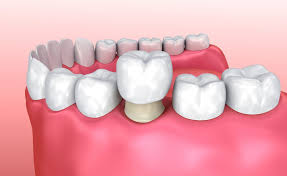
In restorative dentistry, dental crowns are a frequent option used to cover and protect teeth that are decaying or damaged. These prosthetic devices restore a tooth’s shape, size, and function, ensuring it blends seamlessly with your natural smile. But have you ever wondered what dental crowns are made of and how these materials impact their performance and appearance?
Understanding the different materials used for dental crowns can help you make an informed decision when considering this treatment. In this comprehensive guide, we’ll delve into the materials commonly used for dental crowns, their benefits, and considerations to aid in understanding your options better.
- Porcelain Crowns
Porcelain crowns, or ceramic crowns, are a popular option because of their longevity and natural appearance. Crafted from high-quality dental ceramics, porcelain crowns closely mimic the translucency and color of natural teeth, making them an excellent option for front teeth where appearances are crucial.
Advantages:
Natural Look: Porcelain crowns blend perfectly with your tooth color, providing a realistic appearance.
Gentle on Gums: They are compatible with gum tissue, reducing the likelihood of allergic reactions.
Long-Lasting Brightness: Porcelain resists stains, helping your smile stay bright and natural.
Considerations:
Strength: Although durable, porcelain crowns can be more prone to chipping or cracking under heavy biting forces compared to metal crowns.
Cost: Because of the advanced materials and techniques used in their production, porcelain crowns are typically more expensive than metal crowns.
- Metal Crowns
Metal crowns are made from alloys that combine various metals, including gold, platinum, and other base metals. These crowns are known for their strength and longevity, making them a suitable choice for molars and other back teeth that endure significant chewing forces.
Advantages:
Durability: Metal crowns are ideal for back teeth because of their outstanding strength and ability to withstand severe chewing forces.
Longevity: Their robust nature often means they last longer than other kinds of crowns.
Wear: Metal crowns usually cause minimal wear to adjacent teeth.
Considerations:
Aesthetics: Porcelain or ceramic crowns look appealing than metal ones. Their metallic color can be noticeable, which may be a disadvantage for visible teeth.
Allergies: Some people might experience allergic reactions to specific metals utilized in these crowns.
- Porcelain-Fused-to-Metal Crowns (PFM)
Porcelain-fused-to-metal (PFM) crowns combine the aesthetic appeal of porcelain with the strength of metal. These crowns have a metal base covered by a layer of porcelain, offering a balance between durability and appearance.
Advantages:
Strength and Aesthetics: PFM crowns provide a strong foundation with a natural-looking outer layer, making them suitable for both front and back teeth.
Versatility: They are a versatile option, often used when a balance between aesthetics and durability is required.
Considerations:
Gum Line: Over time, the metal base may show through at the gum line, which can be less aesthetically pleasing.
Wear: The porcelain layer can be prone to chipping or wearing down over time, especially under heavy chewing conditions.
- Zirconia Crowns
Zirconia crowns are made from zirconium dioxide, a type of advanced ceramic. Known for their strength and durability, zirconia crowns are a modern alternative to traditional materials.
Advantages:
Durability: Zirconia crowns are highly durable and resistant to wear and chipping, making them suitable for both front and back teeth.
Appearance: They offer a natural appearance with excellent translucency, closely mimicking the look of natural teeth.
Biocompatibility: Zirconia is biocompatible and less likely to cause allergic reactions.
Considerations:
Cost: Zirconia crowns can be more expensive than other types due to the advanced technology used in their production.
Preparation: The fabrication process for zirconia crowns can be more complex, requiring precise fitting and adjustment.
- Composite Resin Crowns
Composite resin crowns are made from a tooth-colored resin material that can be molded to match the natural contours of your teeth. These crowns are often used as a temporary solution or for less critical areas.
Advantages:
Visual Appeal: Composite resin crowns can be precisely customized to blend with the color and shape of your natural teeth, resulting in an attractive finish.
Cost-Effective: They are generally less expensive than porcelain or zirconia crowns, making them an economical choice for certain situations.
Considerations:
Durability: Composite resin crowns are not as durable as other materials and may wear down or stain more quickly.
Longevity: They are typically used for temporary solutions or in cases where longevity is not a primary concern.
Key Differences Between Dental Crown Materials
Material
Aesthetic Appeal
Durability and Strength
Cost
Biocompatibility
Considerations
Porcelain
Natural appearance, mimics translucency of natural teeth.
Durable but can chip or crack under heavy forces.
Higher cost.
Highly biocompatible, gentle on gums.
Prone to chipping; more expensive.
Metal
Less aesthetically pleasing, metallic color.
Extremely strong, ideal for back teeth.
Generally lower cost.
Possible allergic reactions.
Not suitable for visible teeth; some may have allergies.
Porcelain-Fused-to-Metal (PFM)
Natural-looking outer layer with a metal base.
Strong with a natural appearance, but porcelain may wear down.
Moderate cost.
Generally biocompatible.
Metal base can show through at gum line; porcelain layer may chip.
Zirconia
Natural appearance with excellent translucency.
Highly durable, resistant to chipping and wear.
Higher cost.
Highly biocompatible, less likely to cause reactions.
More expensive; fabrication can be complex.
Composite Resin
Customizable to match tooth color, less natural-looking.
Less durable, prone to staining and wear.
Generally lower cost.
Generally biocompatible.
Not as durable or long-lasting; used for temporary solutions.
Choosing the Right Material
When selecting a dental crown material, several factors come into play, including the location of the tooth, the amount of stress it will endure, aesthetic considerations, and your budget. Your dentist will help guide you in choosing the best material based on your specific needs and preferences.
Consultation: It’s essential to discuss your options with your dentist at Dentakay Clinic, who can provide recommendations based on your oral health, the function of the tooth, and aesthetic goals.
Cost Considerations: While some materials may be more expensive, their durability and appearance can offer long-term benefits. Balancing cost with the crown’s longevity and functionality is crucial for making an informed decision.
Conclusion
Dental crowns are made from various materials, each with its own set of benefits and considerations. From the natural look of porcelain to the strength of metal and the modern advantages of zirconia, understanding these options can help you make the best choice for your dental health. Consulting with your dentist at Dentakay Clinic will ensure that you select a crown material that fits your needs, ensuring both functional and aesthetic success in your dental restoration.
Remember, the right material not only enhances your smile but also contributes to the long-term health of your teeth. Taking the time to understand your options will ultimately lead to a more satisfying and durable dental solution.
