

China’s Belt and Road Initiative (BRI) is one of the most ambitious infrastructure projects in modern history. Launched in 2013 by President Xi Jinping, the BRI aims to enhance global trade and stimulate economic growth across Asia, Africa, and Europe by building a vast network of railways, highways, ports, and other infrastructure projects. While the initiative is a cornerstone of China’s foreign policy, its impact on global trade and investment is profound and far-reaching, influencing economies, businesses, and geopolitical dynamics around the world. Here’s what those in the know like Kavan Choksi / カヴァン・ チョクシ have to say.
What is the Belt and Road Initiative?
The Belt and Road Initiative, often referred to as the “New Silk Road,” consists of two main components: the Silk Road Economic Belt, which connects China to Europe via Central Asia, and the 21st Century Maritime Silk Road, which links China to Southeast Asia, South Asia, Africa, and Europe through maritime routes. The initiative involves more than 140 countries and covers a wide range of infrastructure projects, including roads, railways, pipelines, ports, and power plants.
The BRI is designed to promote connectivity, increase trade, and foster economic cooperation between participating countries. China has committed hundreds of billions of dollars to finance these projects, often through loans provided by Chinese banks and state-owned enterprises.
Boosting Global Trade Through Infrastructure
One of the primary goals of the Belt and Road Initiative is to improve global trade by reducing transportation costs and time. By building modern infrastructure in developing regions, China aims to create more efficient trade routes that facilitate the flow of goods, services, and investment.
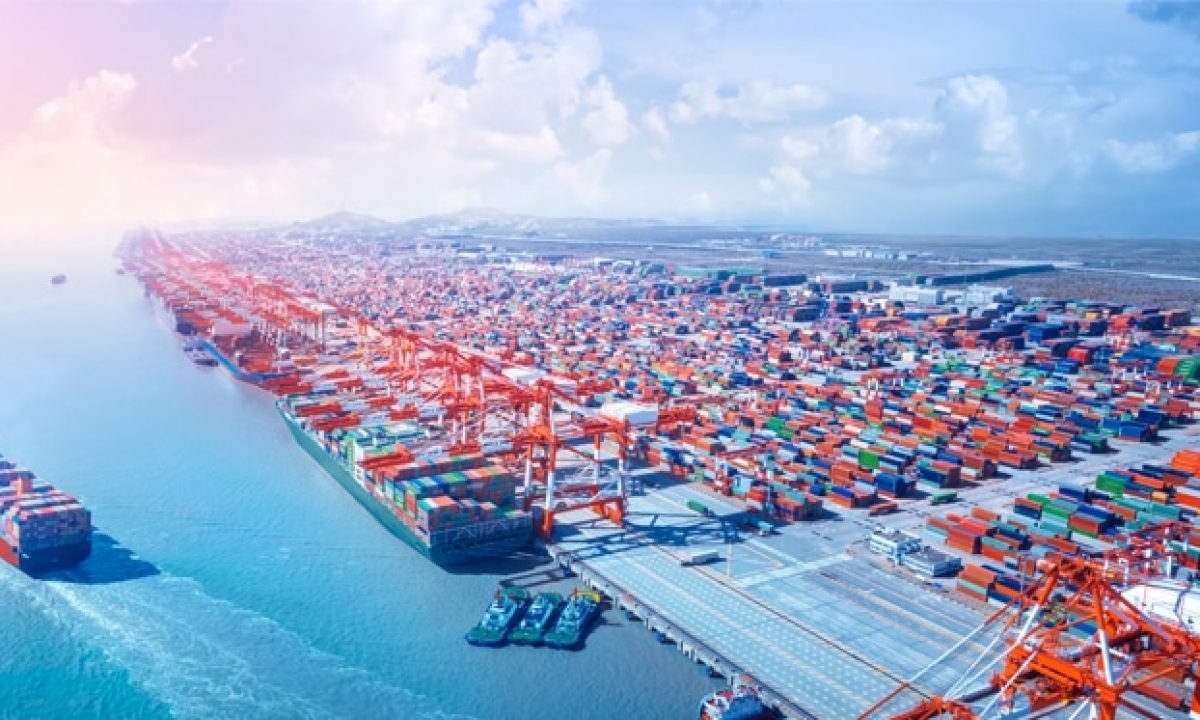
For example, new railways connecting China to Europe have significantly shortened the time it takes to transport goods between the two regions. These rail links offer an alternative to traditional sea routes, which are slower and subject to disruptions. The BRI’s focus on port development also enhances maritime trade by upgrading facilities, increasing capacity, and improving logistics efficiency.
By improving infrastructure in countries that were previously underserved, the BRI helps to integrate these economies into the global trade network. This increased connectivity can lead to greater economic opportunities for these countries, as they gain better access to international markets for their exports and imports.
Expanding China’s Economic Influence
The Belt and Road Initiative is not just about infrastructure—it’s also a strategic tool for expanding China’s economic influence globally. By financing and building infrastructure projects in partner countries, China strengthens its economic ties and fosters dependency, which can translate into political leverage.
For many developing countries, the BRI represents an opportunity to secure much-needed investment for infrastructure development that might not be available from other sources. However, this also raises concerns about debt sustainability and the potential for China to exert undue influence over these countries’ economic policies.
Critics argue that some BRI projects have led to “debt traps,” where countries take on more debt than they can realistically repay, leaving them vulnerable to Chinese pressure. For example, Sri Lanka’s Hambantota Port, which was financed by Chinese loans, was eventually leased to a Chinese company for 99 years after the Sri Lankan government struggled to service the debt.
Despite these concerns, many countries continue to participate in the BRI, attracted by the promise of economic growth and development. The initiative has also allowed China to diversify its trade routes and reduce its reliance on traditional chokepoints like the Malacca Strait, enhancing its economic security.
China’s Belt and Road Initiative is more than just an infrastructure project—it’s a transformative force in global trade and investment. By building new trade routes and deepening economic ties, the BRI has the potential to reshape the global economy and shift the balance of power. However, the initiative also presents significant risks and challenges, particularly in terms of debt sustainability, geopolitical competition, and the transparency of investments. As the BRI continues to evolve, its impact on global trade and investment will be a critical issue for businesses, policymakers, and investors to monitor.
