

Arizona’s jewelry market is shaped by a combination of natural resources, cultural influences, and investment opportunities. The state is rich in minerals, including gold, silver, and turquoise, which have contributed to its reputation as a hub for both artisans and investors. The influence of a strong tourism sector creates a dynamic environment for the jewelry industry.
This post will explore how Arizona’s natural wealth, cultural heritage, and tourism drive its unique jewelry market, making it a key player in both the national and global jewelry scenes.
The Impact of Arizona’s Rich Mineral Resources on its Jewelry Market
Arizona’s jewelry industry thrives on its natural mineral wealth. The state is the top copper producer in the United States, and copper mining yields byproducts such as gold and silver, which are essential for jewelry making. Arizona is ranked third among U.S. states in gold production, with approximately 2,500 kilograms mined annually, making the local availability of precious metals a significant advantage for jewelers.
In addition to metals, Arizona is famous for its turquoise. The Sleeping Beauty mine in Globe, Arizona, is one of the world’s most renowned sources of high-quality turquoise, known for its vibrant blue color. This gemstone is in high demand for both traditional and modern jewelry designs, enhancing Arizona’s status as a major gemstone hub.
Southwestern Jewelry: A Blend of Culture and Craftsmanship
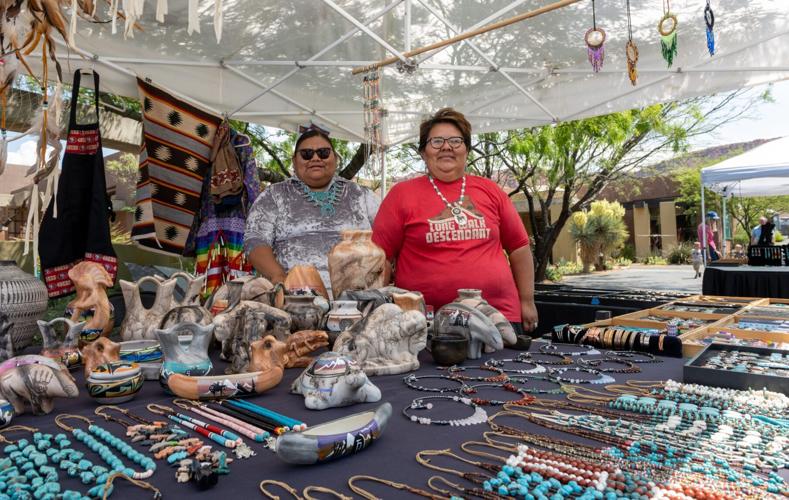
Southwestern jewelry, deeply influenced by Native American tribes like the Navajo, Hopi, and Zuni, is one of Arizona’s most distinctive cultural exports. These artisans are known for their intricate silverwork and the use of locally sourced turquoise, creating pieces that are rich in both artistic and cultural value. Many of these designs feature techniques that have been passed down for generations, making them highly prized by collectors and tourists alike.
The global demand for Southwestern jewelry continues to grow, with tourists seeking authentic, handcrafted pieces. According to the Arizona Office of Tourism, visitors spent a total of $28.1 billion in 2022, much of it in cultural and artisanal markets. This demand helps sustain local artisans and preserve the traditional craftsmanship of Native American jewelry, which is a key component of Arizona’s jewelry market.
Why Arizona is a Hotspot for Gold Investment Jewelry
Arizona’s longstanding history with gold mining has made it a hotspot for gold investment jewelry. Gold has always been valued for its beauty and financial stability, and in recent years, many Arizonans have turned to gold jewelry as a form of investment. The state’s rich history in gold mining and the consistently high value of gold make it an attractive market for those looking to invest in high-quality gold jewelry.
Investment-grade gold jewelry appeals to both collectors and investors because it combines fashion with financial security. Jewelers in the state often offer certified pieces with detailed appraisals, helping buyers make informed decisions about the value of their purchases.
The resale market for gold jewelry in Arizona is thriving, offering sellers opportunities to capitalize on high gold prices and liquidate valuable pieces at a significant profit. To ensure a fair transaction, it’s important to seek out a reputable jewelry buyer and obtain a professional appraisal to understand the true value of your items before selling.
Tourism and the Jewelry Market: How Visitors Drive Demand in Arizona
Tourism is a major driver of Arizona’s jewelry market, with cities like Scottsdale, Sedona, and Phoenix serving as key destinations for visitors. In 2022, Arizona welcomed over 45 million visitors, who spent $28.1 billion, much of it in local shops and markets. Jewelry, particularly Southwestern and Native American pieces, is one of the most popular souvenirs for tourists looking for something that reflects the region’s culture and craftsmanship.
Tourists are often drawn to the authenticity and uniqueness of Arizona’s jewelry, particularly pieces made from locally sourced materials like turquoise and silver. Local jewelry stores frequently collaborate with Native American artisans, offering tourists a chance to purchase truly one-of-a-kind pieces that embody Arizona’s cultural heritage.
Estate Jewelry in Arizona: What Buyers and Sellers Need to Know
Estate jewelry, which includes pre-owned and vintage pieces, is becoming increasingly popular in Arizona. This trend is driven by the state’s large retiree population, many of whom sell estate jewelry as part of downsizing efforts. The estate jewelry market offers buyers a chance to purchase unique, high-quality pieces at a lower cost than new items, making it attractive for collectors and resellers.
For buyers and sellers, understanding the market value of estate jewelry is essential. Appraisals are critical to ensure the authenticity and worth of items. In Arizona, cities like Phoenix and Tucson have seen growth in specialty jewelers and auction houses that cater specifically to estate jewelry, providing valuable services for both buyers and sellers looking to navigate this growing market.
The Business of Jewelry Resale in Arizona: A Look at the Local Market
Jewelry resale is a thriving industry in Arizona, particularly for gold and estate jewelry. With high gold prices and a growing interest in vintage pieces, resale shops and gold buyers in cities like Phoenix and Gilbert have seen an increase in both sellers looking to liquidate assets and buyers searching for rare finds. In 2024, gold prices remained high, making it a profitable time for those selling gold jewelry.
Navigating the resale market requires both buyers and sellers to be cautious. For sellers, working with reputable buyers is essential to getting a fair price. For buyers, researching and obtaining proper appraisals ensures that they are investing in genuine, valuable pieces. Arizona’s resale market is a reflection of the state’s rich history with gold and its position as a leader in the jewelry industry.
Conclusion
Arizona’s jewelry market stands at the intersection of rich natural resources, cultural heritage, and investment opportunities. From its abundance of gold and turquoise to its deep connection with Native American craftsmanship, Arizona offers a unique blend of artistry and value.
For both tourists and locals, the state’s jewelry industry continues to thrive, making it a destination for those seeking one-of-a-kind pieces, investment opportunities, and a connection to the Southwest’s cultural and natural heritage.
