

Achieving a healthy, lush lawn involves more than regular mowing and watering. One of the most challenging aspects of lawn care is keeping weeds at bay. Unwanted plants ruin the appearance of a well-maintained lawn and compete with your grass for essential nutrients, water, and sunlight. This comprehensive guide explores practical strategies for weed control to help you maintain a pristine lawn.
Understanding Lawn Weeds
Weeds are simply plants growing where they’re not wanted. They thrive in the same conditions as your grass, making them formidable adversaries. Some common lawn weeds include dandelions, crabgrass, clover, and broadleaf. Each type has distinct characteristics and growth methods, but all weeds have one thing in common—they’re opportunistic. They invade weak spots in your lawn, spreading quickly and aggressively.
To effectively manage weeds, it’s essential to understand how they grow and what conditions favor their spread. Weeds are typically classified into two main categories:
Broadleaf Weeds
Broadleaf weeds, which are easily identified by their wide leaves, include species such as dandelions and clover. They are perennial, meaning they return year after year, making them difficult to eliminate without proper care. Broadleaf weeds thrive in nutrient-deficient or compacted soil, where grass struggles to grow.
Grassy Weeds
Grassy weeds like crabgrass are often mistaken for turf because they have similar blade-like leaves. These weeds tend to be annuals, sprouting from seeds each year. Their rapid growth can quickly choke out the healthy grass, especially in areas where the lawn is thin or under stress.
Preventative Measures for Weed Control
The most effective weed control starts with prevention. A strong, healthy lawn naturally resists weeds by out-competing them for nutrients, water, and light. Here are some key preventative measures to keep your lawn in top shape and minimize the risk of weed infestations:
1. Regular Mowing
Mowing your lawn regularly at the proper height creates a dense grass canopy, preventing sunlight from reaching weed seeds, reducing their germination ability. Different grass types require different mowing heights, so adjust your mower accordingly. For example, cool-season grasses like Kentucky bluegrass should be cut to about 2.5 to 3.5 inches.
2. Adequate Watering
Overwatering or underwatering can weaken your grass, allowing weeds to establish themselves. Lawns generally need about 1 inch of water per week from rainfall or irrigation to thrive. Deep, infrequent watering encourages the grass roots to grow deeper, making the lawn more resilient to weeds.
3. Fertilization
Proper fertilization gives your lawn the nutrients it needs to grow thick and healthy, which can crowd out potential weed invaders. However, be cautious not to over-fertilize, as this can promote weed growth. Use a balanced fertilizer in spring and fall to strengthen the lawn.
Weed Control Methods
When weeds do appear, prompt action is crucial. Depending on the type and extent of the invasion, several methods can help manage and eliminate weeds.
1. Hand Weeding
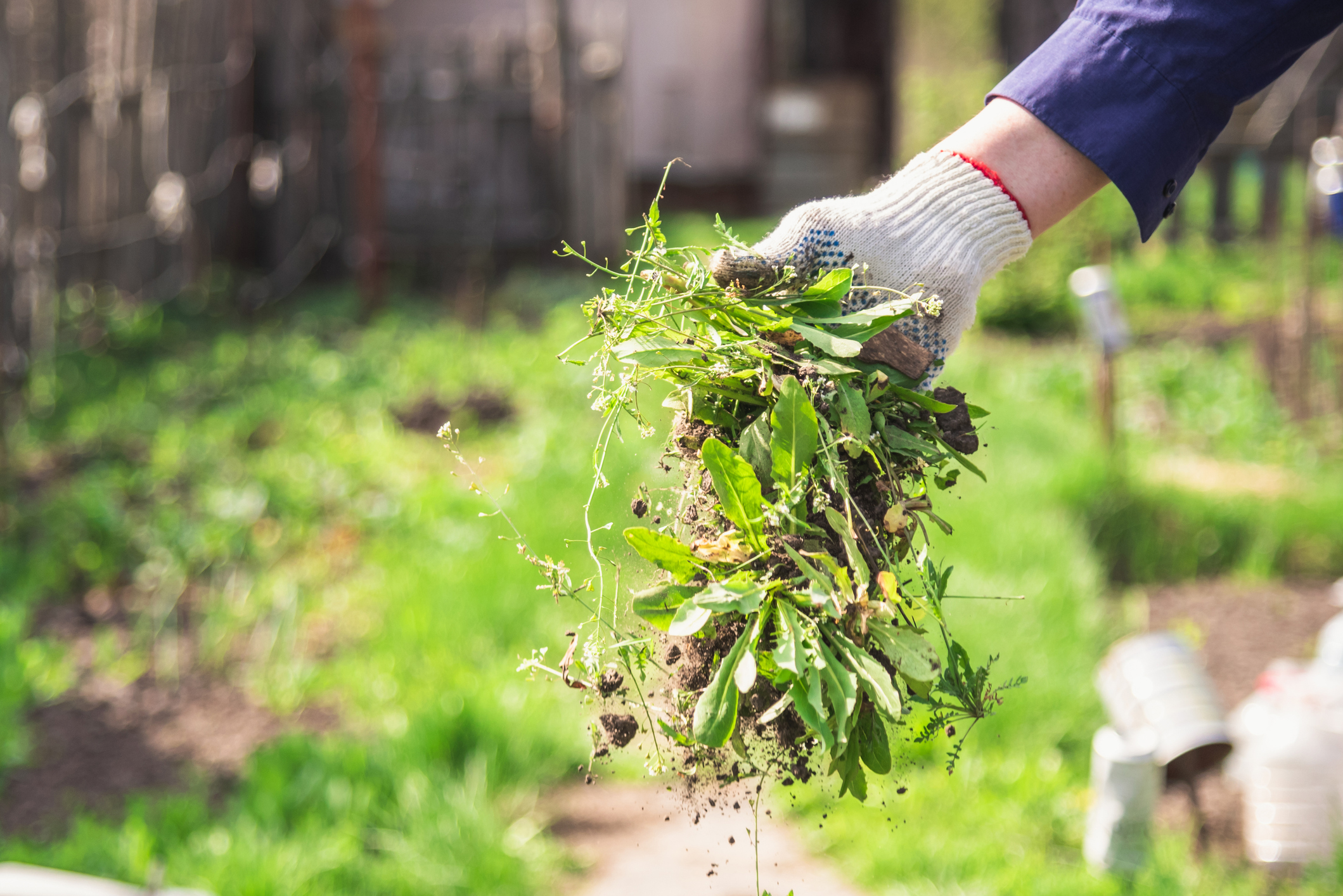
Hand weeding is one of the most effective and environmentally friendly methods for small, isolated patches of weeds. The key is to remove the entire root system of the weed to prevent regrowth. This method works particularly well for dandelions and other deep-rooted broadleaf weeds.
2. Mulching
Mulching around flower beds and shrubs can prevent weeds from sprouting by blocking sunlight. Organic mulches, such as wood chips or straw, deter weeds and improve soil quality as they decompose.
3. Pre-emergent Herbicides
Pre-emergent herbicides are applied before weed seeds germinate, effectively stopping them. This method is highly effective against annual weeds like crabgrass. Timing is critical—applying pre-emergent herbicides in early spring ensures maximum protection.
4. Post-emergent Herbicides
For weeds that have already established themselves, post-emergent herbicides target their growth without harming the surrounding grass. These herbicides are particularly useful for broadleaf weeds such as clover and dandelions. Be sure to choose an appropriate herbicide for your lawn type and follow the instructions carefully to avoid damaging your grass.
Weed Control by Yard Dawgs Lawn Care
Professional services can provide an extra level of care and expertise when it comes to managing weeds. Weed control by Dawgs Lawn Care combines preventative measures, targeted treatments, and ongoing maintenance to keep your lawn weed-free throughout the season. Their approach includes customized weed management plans that consider the specific conditions of your lawn, such as soil type, grass variety, and local climate.
Using a combination of pre- and post-emergent treatments, Yard Dawgs effectively handles common lawn weeds while preserving the health of your grass. The team also focuses on improving the overall condition of the lawn by addressing underlying issues, such as soil compaction or nutrient deficiencies, that may contribute to weed growth.
The Importance of Lawn Maintenance
Regular lawn maintenance is essential to prevent future infestations even after weeds are under control. A robust and well-maintained lawn is the best defense against weeds, as healthy grass naturally crowds out intruders.
1. Aeration
Aerating your lawn helps alleviate soil compaction, which restricts root growth and creates conditions where weeds thrive. By loosening the soil, aeration allows water, air, and nutrients to reach the grass roots more efficiently. Fall is an ideal time for aeration, as the grass is still actively growing and the weather is cooler.
2. Overseeding
Overseeding involves spreading grass seed over your lawn to fill in thin or bare areas. This practice encourages thicker turf, making it harder for weeds to take root. Overseeding in the fall is particularly effective, as it gives the grass time to establish before the winter months.
3. Soil Testing
Regular soil testing ensures your lawn is receiving the right balance of nutrients. Weeds often thrive in poor soil conditions, so adjusting the soil’s pH and nutrient levels can significantly reduce weed problems.
Conclusion
The best lawn care in Saskatoon and weed control, it requires a proactive approach, from preventative measures to targeted treatments and ongoing maintenance. By understanding the types of weeds in your lawn and implementing the right strategies, you can keep your grass healthy and weed-free. With expert care and guidance, you can enjoy a pristine lawn that remains the envy of the neighborhood year-round.
For those seeking professional help, Yard Dawgs Lawn Care offers weed control to ensure your lawn stays in top condition, free from pesky weeds that could otherwise detract from its beauty. Combining industry expertise with effective treatments makes it easy to achieve and maintain the lawn of your dreams.
