

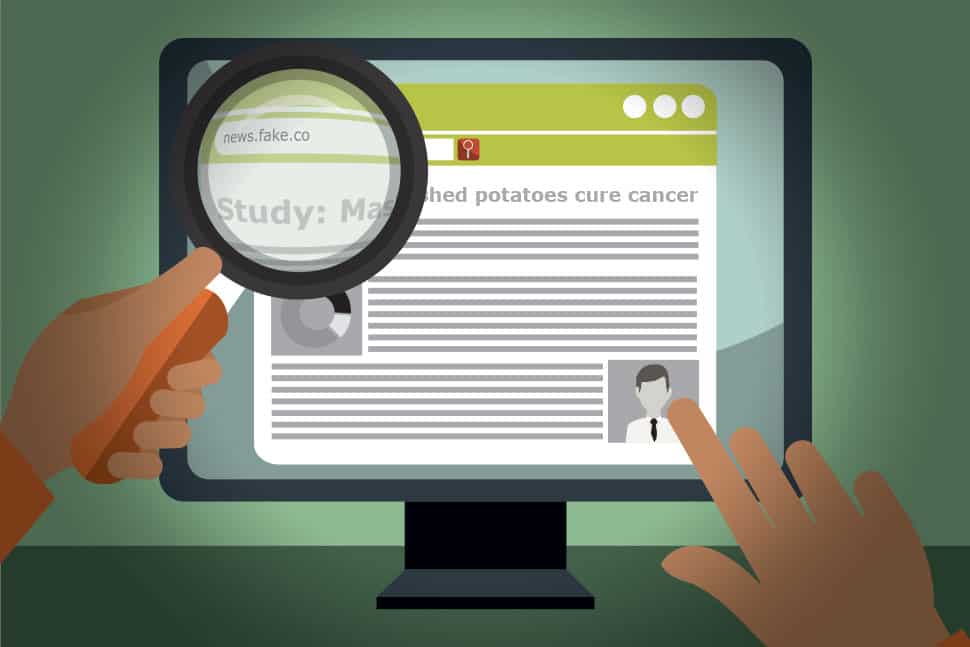
Free access to various sources allows you to check almost any news, but disinformation is still dangerous. Not all Internet users are willing to spend time searching for evidence or counterarguments, so participation in the spread of fakes occurs either intentionally or indirectly. In order to recognize a lie in time, it is worth spending a little time on analysis.
Who benefits from using fake news?
False information often appears on the pages of online publications. Authors are not responsible for disseminating false facts, making this area attractive. But it is worth understanding who benefits from deception. There are several explanations for this behavior:
- Clickbait. Selling traffic (that is, unique visits) is a popular way to gain popularity. To do this, they use false or outdated images that “reflect” the situation. Deceiving users helps the author earn money.
- Propaganda. To spread specific ideas, people use social networks and the Internet. The basis of publications is the desire to publish false information and attract the audience to the side of the author’s team. Usually, propaganda is beneficial to political and religious figures.
- Journalism. Journalists who need more time to check the facts use their information. In this way, it is possible to spread false information due to a lack of experience.
There are several ways to combat the spread of fakes. One of the recommendations is to search for information on other portals. If the situation is described differently, you should not use the news as a source of truth.
The danger of fakes
False information seems quite accurate and reliable because the author wants this. However, situations in which a fake affects lives are not uncommon. Society helps to eliminate possible dangers. If you do not know what is humint but are interested in finding reliable information, use one (or several) tips:
- Always check the source. Many news items are published on behalf of “close people”. Searching for additional evidence will help you determine how authentic the previous message was. Use information from multiple sources to avoid misunderstandings.
- Use critical thinking. Fakes contain information that is difficult to believe. An example would be the belief that alternative medicine helps in treating diseases. If you study it carefully, you will be able to find other signs of a lie, which means that you have found a fake.
- Check the specifics of the publications. Popular Internet resources have created a reputation as satirical portals. The news on the pages does not correspond to reality and is entertaining in nature. Having ensured that the site positions itself as a news channel, you can conduct a check.
Other tips are also based on the search for additional evidence and arguments. Keyword searches, such as the characters’ names or the topic, will help you find a mention of the news on the Internet. In addition, search engines offer to conduct an image search to determine the original source.
Even though some fakes are very similar to the truth, you need to ensure the publication is original. Big news usually affects many publications, so finding confirmation will not be difficult.
How to quickly identify fake news
Many users want to save time and quickly find evidence. Several platforms have already been prepared for them that search for facts many times faster than a person. To do this, you need to open a suitable portal and indicate untrue information. As a result, answers to your request will appear on the screen.
At the same time, you should only trust sites that look like a reliable source. Today, the reputation of reliable portals for verification is secured for:
- Snopes;
- PolitiFact;
- Fact Check;
- BBC Reality Check.
Checking the main facts will bring results quickly, and you can conduct additional research for a detailed study of the issue. Read only verified resources and ensure the news is true before publishing it on your profile.
