

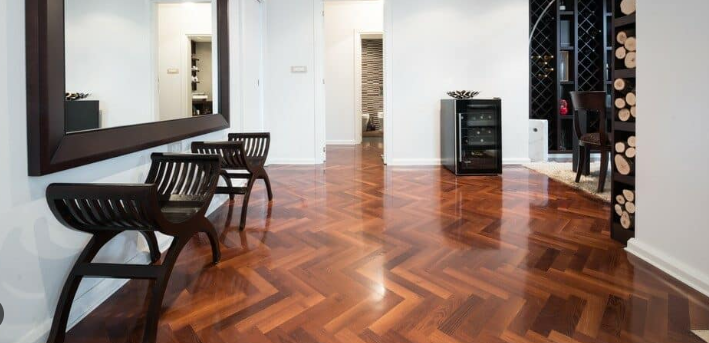
Laminate wood flooring has become a staple in modern interior design, blending aesthetic appeal with practicality. As homeowners and designers increasingly seek cost-effective, stylish alternatives to traditional hardwood, laminate flooring stands out for its versatility and performance. This article explores how laminate wood flooring is reshaping design trends, its influence on home values, and its role in enhancing contemporary interiors.
The Aesthetic Appeal of Laminate Wood Flooring
1. Mimicking Natural Materials
One of the primary reasons for the popularity of laminate wood flooring is its ability to convincingly mimic natural materials:
- Realistic Designs: Advances in printing and embossing technology have enabled laminate flooring to closely replicate the look of various wood species, including oak, walnut, and cherry. This realism provides homeowners with the aesthetic benefits of hardwood flooring at a more affordable price point. The detailed textures and grain patterns of laminate floors create a high-end appearance that can complement a range of interior styles.
- Customization Options: Laminate wood flooring is available in a wide array of colors, finishes, and plank sizes. This variety allows for greater customization in design, enabling homeowners and designers to select options that best suit their space. From rustic, weathered looks to sleek, modern finishes, laminate flooring can be tailored to match diverse decor preferences.
2. Enhancing Interior Design Trends
Laminate wood flooring influences and aligns with current interior design trends:
- Sustainable Design: As environmental consciousness grows, laminate wood flooring has become a popular choice due to its lower environmental impact compared to traditional hardwood. Many laminate products are made from recycled materials and are designed to be low-VOC (volatile organic compounds), contributing to healthier indoor air quality.
- Versatile Style Integration: Laminate flooring adapts seamlessly to various design themes. It can be used to create the look of a classic wood floor in traditional settings or to achieve a contemporary aesthetic in modern spaces. This versatility makes it a go-to option for designers seeking to create cohesive and stylish interiors.
The Practical Benefits of Laminate Wood Flooring
1. Durability and Maintenance
The practicality of laminate wood flooring is a key factor in its widespread adoption:
- Resistance to Wear and Tear: Laminate flooring is designed to withstand heavy foot traffic and resist scratches, dents, and stains. This durability makes it suitable for high-traffic areas such as hallways, kitchens, and living rooms. The wear layer on laminate floors provides a protective shield, ensuring that the floor retains its appearance over time.
- Easy Maintenance: Unlike traditional wood floors, laminate wood flooring requires minimal maintenance. Regular sweeping and occasional mopping are typically sufficient to keep the floor clean and looking new. The stain resistance of laminate also simplifies cleaning and helps maintain a hygienic environment.
2. Cost-Effectiveness and Value
Laminate wood flooring offers significant value for both residential and commercial spaces:
- Affordability: Laminate wood flooring is generally more cost-effective than natural hardwood or stone flooring. Its lower price point makes it an attractive option for budget-conscious homeowners and property developers looking to achieve a high-end look without the high-end cost.
- Long-Term Investment: Despite its affordability, laminate flooring provides long-term value. Its durability and ease of maintenance contribute to lower lifecycle costs compared to some other flooring materials. This cost-effectiveness is especially appealing in rental properties and commercial spaces where durability and budget considerations are paramount.
Impact on Home Values and Market Trends
1. Influencing Home Sales
The choice of flooring can significantly impact a home’s marketability and value:
- Attractive to Buyers: Homes with high-quality laminate wood flooring often attract potential buyers due to its modern look and durability. As laminate continues to evolve and offer realistic wood appearances, it becomes a desirable feature for homebuyers seeking both aesthetics and practicality.
- Cost Recovery: While laminate flooring is a more affordable option, it can still provide a good return on investment. Its ability to emulate high-end materials without the associated cost can enhance the perceived value of a property, making it a smart choice for those looking to improve their home’s marketability.
2. Setting Market Trends
Laminate wood flooring is shaping market trends in the flooring industry:
- Innovation and Design: The continual innovation in laminate flooring technology drives market trends. New patterns, textures, and technologies, such as water-resistant options and improved click-lock systems, keep laminate flooring relevant and appealing. This innovation influences both consumer preferences and industry standards.
- Sustainability Trends: As sustainability becomes a greater focus in home design, laminate wood flooring’s eco-friendly attributes align with market demands. Its use of recycled materials and low-impact manufacturing processes contribute to its growing popularity among environmentally conscious consumers.
Future Prospects and Industry Developments
1. Advancements in Technology
The future of laminate wood flooring is likely to be marked by continued technological advancements:
- Enhanced Realism: Future developments may focus on improving the realism of laminate flooring, with even more advanced printing and embossing techniques that mimic the look and feel of natural wood. This can further enhance the appeal of laminate as a high-quality alternative to traditional hardwood.
- Smart Features: Integration of smart technology into laminate flooring could become a trend. Features such as built-in sensors for monitoring foot traffic or climate conditions could add new dimensions of functionality and convenience to laminate floors.
2. Expanding Applications
Laminate wood flooring’s versatility extends to various applications:
- Commercial Use: Its durability and ease of maintenance make laminate an ideal choice for commercial spaces, including offices, retail stores, and hospitality environments. Commercial floors can handle high foot traffic and maintain a professional appearance that aligns with the needs of many commercial applications.
- Specialized Environments: Future innovations may expand laminate’s suitability for specialized environments, such as healthcare facilities or educational institutions, where durability and hygiene are critical considerations.
Redefining Flooring Solutions
Laminate wood flooring is more than just a practical choice; it’s a transformative element in modern interior design. Its ability to combine aesthetic appeal, durability, and cost-effectiveness has made it a popular option for a wide range of applications. As technology continues to advance and design trends evolve, laminate wood flooring will likely remain at the forefront of flooring solutions, offering both style and functionality for years to come.
In the ever-changing landscape of home and commercial design, laminate wood flooring stands out as a versatile and forward-thinking choice. Its impact on the market, combined with its ability to adapt to consumer needs and preferences, ensures that it will continue to play a significant role in shaping interior spaces and influencing design trends.
