

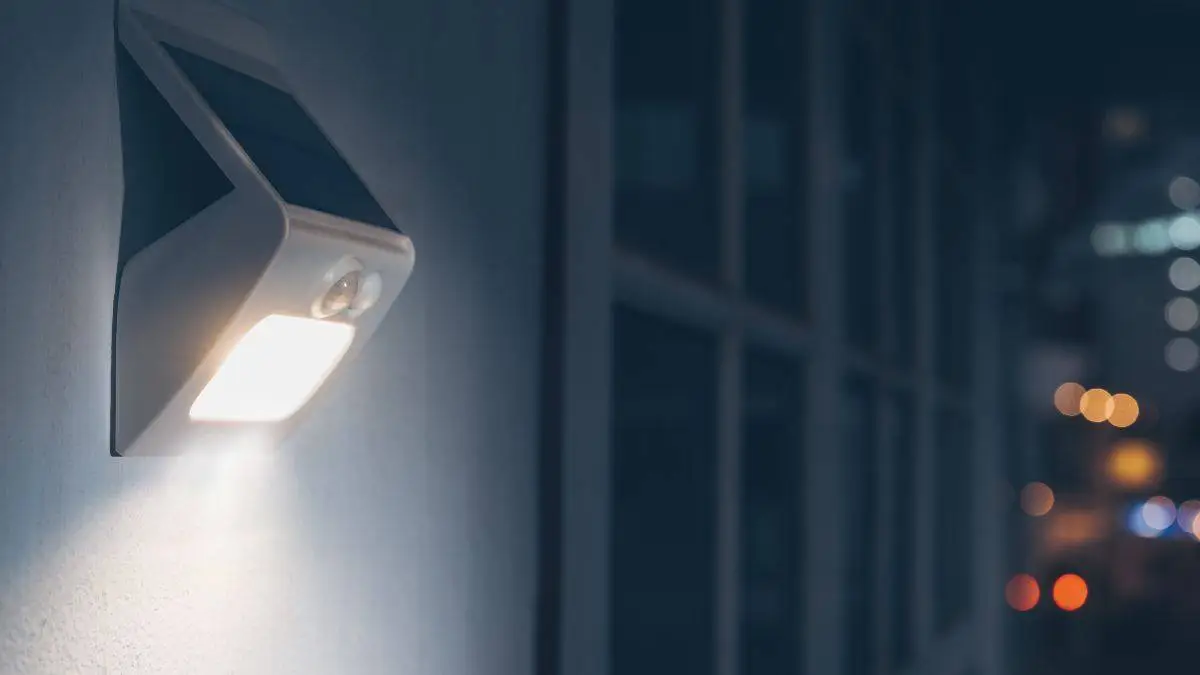
Motion sensor lights are lighting systems that activate when they detect movement within a specified range. These lights are equipped with sensors that can detect infrared radiation, microwave pulses, or ultrasonic waves, which trigger the light to turn on when motion is detected. Once the motion stops or the sensor no longer detects movement, the light will automatically turn off after a pre-set time delay.
Motion sensor lights are commonly used in outdoor settings, such as driveways, walkways, and gardens, to deter potential intruders and provide illumination when needed. They are also increasingly popular indoors, particularly in areas like hallways, basements, and bathrooms, where they add convenience by eliminating the need to manually switch lights on and off.
How Do Motion Sensor Lights Work?
Motion sensor lights function through various types of sensors, each with its own mechanism for detecting movement. Understanding these sensors can help you choose the right type for your needs.
- Passive Infrared (PIR) Sensors
Passive Infrared sensors are the most common type of sensor used in motion sensor lights. PIR sensors detect body heat in the form of infrared radiation. When a warm object, such as a person or animal, enters the sensor’s field of view, it detects the change in infrared radiation and triggers the light to turn on.
- Microwave Sensors
Microwave sensors emit microwave pulses and measure the reflection of these waves off objects in their range. When an object moves, the reflection pattern changes, and the sensor detects this movement, activating the light. Microwave sensors have a broader detection range than PIR sensors and can penetrate through some materials, making them suitable for applications where wider coverage is needed.
- Ultrasonic Sensors
Ultrasonic sensors work by emitting high-frequency sound waves and measuring the time it takes for the waves to bounce back from objects. When the sensor detects a change in the time it takes for the sound waves to return, it triggers the light to turn on. These sensors are highly sensitive and can detect even the slightest movements, making them ideal for indoor applications where precision is essential.
Benefits of Motion Sensor Lights
Motion sensor lights offer a multitude of benefits, making them a worthwhile investment for both residential and commercial properties.
- Enhanced Security
One of the primary advantages of motion sensor lights is their ability to enhance security. By automatically illuminating when movement is detected, these lights can deter potential intruders, making it less likely for them to approach your property. The sudden activation of lights can startle and discourage trespassers, providing an additional layer of protection for your home or business.
- Energy Efficiency
Motion sensor lights are an excellent choice for those looking to reduce their energy consumption. Since the lights only turn on when motion is detected, they do not waste electricity by staying on unnecessarily. This not only lowers your energy bills but also reduces your carbon footprint, contributing to a more sustainable environment.
- Convenience and Safety
The convenience of motion sensor lights cannot be overstated. They eliminate the need to fumble for light switches in the dark, providing instant illumination when you enter a room or approach your home. This is particularly beneficial in areas like staircases, garages, and outdoor pathways, where proper lighting is essential for preventing accidents and ensuring safety.
- Prolonged Bulb Life
Because motion sensor lights only operate when needed, the bulbs experience less wear and tear compared to lights that are left on continuously. This extended lifespan reduces the frequency of bulb replacements, saving you time and money in the long run.
- Versatility
Motion sensor lights are incredibly versatile and can be used in various settings, both indoors and outdoors. They are available in a wide range of designs, sizes, and finishes, allowing you to choose a style that complements your property’s aesthetics while meeting your lighting needs.
Types of Motion Sensor Lights
When choosing motion sensor lights, it’s important to consider the different types available on the market. Each type has its own unique features and is suited for specific applications.
- Floodlights
Floodlights equipped with motion sensors are ideal for outdoor security purposes. These lights provide a broad, intense beam of light, making them perfect for illuminating large areas such as driveways, gardens, and the exterior of buildings. They are typically installed high up on walls or poles to maximize their coverage area.
- Porch Lights
Porch lights with motion sensors are designed to provide soft, welcoming illumination at the entrance of your home. These lights are usually more decorative and can be found in various styles to match the architectural design of your property. They are perfect for enhancing the curb appeal of your home while also improving security.
- Pathway Lights
Pathway lights are smaller, ground-level fixtures that guide you along walkways, driveways, or garden paths. When equipped with motion sensors, these lights activate as you approach, providing a safe and well-lit path to your destination. They are particularly useful in preventing trips and falls in low-light conditions.
- Indoor Motion Sensor Lights
Indoor motion sensor lights are versatile and can be used in various locations around the home, such as hallways, bathrooms, and closets. These lights are designed to provide convenience and safety by automatically lighting up when you enter a room and turning off when you leave.
Installation Tips for Motion Sensor Lights
Installing motion sensor lights is a relatively straightforward process, but there are a few tips to keep in mind to ensure optimal performance and coverage.
- Choose the Right Location
The location of your motion sensor lights is crucial for effective operation. For outdoor lights, place them at entry points such as doors, garages, and gates to maximize security. Ensure that the sensors are not obstructed by objects like trees, walls, or decorations, as this can hinder their ability to detect movement.
- Adjust the Sensor Range
Most motion sensor lights come with adjustable sensor ranges, allowing you to customize the detection area. It’s important to set the range appropriately based on the specific application. For example, you might want a shorter range for indoor use and a longer range for outdoor security purposes.
- Fine-Tune the Sensitivity
Sensitivity settings allow you to control how easily the light is triggered by movement. If the sensitivity is too high, the light may activate due to minor movements like leaves blowing in the wind. Conversely, if the sensitivity is too low, the light may not activate when needed. Adjust the sensitivity to find the right balance for your environment.
- Test the Light After Installation
Once your motion sensor light is installed, test it to ensure it’s functioning correctly. Walk through the sensor’s range to check if the light activates as expected. Make any necessary adjustments to the angle, range, or sensitivity to achieve optimal performance.
Maintenance and Troubleshooting
To keep your motion sensor lights working effectively, regular maintenance and occasional troubleshooting may be required.
- Clean the Sensors
Dirt, dust, and debris can accumulate on the sensors over time, reducing their ability to detect motion. Regularly clean the sensors with a soft cloth to maintain their sensitivity and ensure reliable performance.
- Check for Obstructions
Obstructions such as plants, furniture, or decorations can block the sensor’s field of view, preventing it from detecting movement. Periodically check for and remove any obstructions to maintain the light’s effectiveness.
- Replace the Bulbs as Needed
While motion sensor lights typically have a longer bulb life due to their intermittent use, the bulbs will eventually need to be replaced. Choose high-quality, energy-efficient bulbs that are compatible with your motion sensor light to ensure consistent performance.
- Troubleshoot Common Issues
If your motion sensor light isn’t working correctly, there are a few common issues you can troubleshoot:
- False Activation: If the light is turning on without any apparent movement, check the sensitivity settings and ensure the sensor isn’t being triggered by non-human movement like animals or wind-blown objects.
- No Activation: If the light isn’t turning on when it should, check the power supply, bulb, and sensor alignment. Ensure that the sensor’s range and sensitivity are set appropriately.
Choosing the Right Motion Sensor Light for Your Needs
With so many options available, choosing the right motion sensor light can be daunting. Consider the following factors to make an informed decision:
- Purpose and Location
Determine the primary purpose of the light (security, convenience, aesthetics) and the location where it will be installed. This will help you choose the right type of motion sensor light with the appropriate features and design.
- Detection Range and Angle
Different motion sensor lights have varying detection ranges and angles. For large outdoor areas, opt for a light with a wide detection range and angle. For smaller indoor spaces, a light with a narrower range may be sufficient.
- Power Source
Motion sensor lights can be powered by electricity, batteries, or solar energy. Choose a power source that suits your needs and location. Solar-powered lights are an excellent eco-friendly option for outdoor use, while battery-powered lights offer flexibility in areas without easy access to electricity.
- Durability and Weather Resistance
If you’re installing motion sensor lights outdoors, ensure they are weather-resistant and durable enough to withstand various environmental conditions. Look for lights with a high IP rating to ensure they can resist dust and water.
- Aesthetic Design
Motion sensor lights come in various designs and finishes. Choose a style that complements your property’s aesthetics while meeting your functional needs.
Conclusion
Motion sensor lights are an invaluable addition to any property, offering enhanced security, energy efficiency, and convenience. By understanding how these lights work, the benefits they provide, and how to choose and install the right ones for your needs, you can make a well-informed decision that will improve both the safety and functionality of your space. Whether you’re looking to secure your home, light up your pathways, or add a touch of automation to your indoor spaces, motion sensor lights are a smart and versatile solution.
