

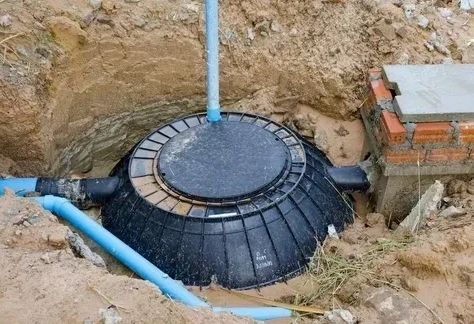
The septic system industry is undergoing significant changes as new technologies and trends emerge, affecting both the costs and efficiency of system replacements. As environmental concerns, regulatory requirements, and technological advancements continue to evolve, homeowners and industry professionals need to stay informed about how these factors influence septic system replacement costs. This article delves into the latest trends and innovations shaping the future of septic system replacements, highlighting their impact on costs and overall system performance.
Contents
1. Advanced Treatment Technologies
Recent advancements in septic system technologies are reshaping the landscape of system replacements. Traditional septic systems, primarily consisting of a septic tank and a drain field, are being supplemented or replaced by advanced treatment systems. These include:
- Aerobic Treatment Units (ATUs): ATUs introduce air into the wastewater treatment process, enhancing bacterial breakdown and improving effluent quality. While they come with a higher initial cost—ranging from $8,000 to $15,000—ATUs can reduce long-term maintenance costs and increase the longevity of the system.
- Constructed Wetlands: These systems mimic natural wetland processes to treat wastewater. They can be more expensive initially, with costs between $10,000 and $20,000, but they offer a sustainable solution with low operational costs and minimal maintenance.
- Mound Systems: Designed for areas with poor soil conditions or high water tables, mound systems require elevated, engineered soil beds and can be costly, ranging from $10,000 to $20,000. However, they provide a viable solution where conventional systems fail.
These advanced technologies often come with higher upfront costs but can offer significant benefits in terms of performance, environmental impact, and maintenance. Homeowners should consider these options carefully and consult with professionals to determine the most cost-effective solution for their specific needs.
2. Smart Septic System Monitoring
The integration of smart technology into septic systems is becoming increasingly prevalent. Smart septic systems use sensors and monitoring devices to track system performance in real time. These innovations include:
- Remote Monitoring Systems: These systems provide homeowners and service providers with data on system performance, including wastewater levels, pump status, and potential issues. The initial cost for such systems ranges from $1,000 to $3,000, but they can help prevent costly repairs by detecting problems early.
- Predictive Maintenance: Using data analytics and machine learning, predictive maintenance systems can forecast when a system component is likely to fail. This proactive approach can reduce unexpected repair costs and extend the lifespan of the septic system.
- Automated Alerts: These systems send notifications to homeowners or service providers if they detect anomalies, such as high levels of wastewater or system malfunctions. This can help address issues before they escalate, potentially saving on emergency repair costs.
While the integration of smart technology adds to the initial expense, it can result in long-term savings by improving system reliability and reducing maintenance costs.
3. Regulatory Changes and Environmental Impact
Regulations surrounding septic systems are becoming stricter as environmental concerns grow. Compliance with these regulations can impact replacement costs:
- Enhanced Effluent Standards: Many regions are implementing stricter standards for effluent quality to protect groundwater and surface water. Systems that meet these new standards, such as those incorporating advanced treatment technologies, may come with higher costs but can help avoid fines and ensure environmental compliance.
- Incentives for Sustainable Practices: Some jurisdictions offer incentives, such as tax credits or rebates, for installing environmentally friendly septic systems. These programs can help offset the higher costs associated with advanced technologies or alternative systems.
- Increased Inspection Requirements: Regular inspections and maintenance are becoming more common, leading to additional costs for homeowners. Staying compliant with these requirements can prevent costly fines and system failures.
Understanding and adapting to these regulatory changes is crucial for homeowners to manage costs effectively and ensure their septic systems are environmentally compliant.
4. Cost Variations by Region
Septic system replacement costs can vary significantly depending on geographic location due to factors such as labor costs, material availability, and local regulations:
- Regional Labor Costs: In areas with higher labor costs, such as urban centers, the expense for septic system replacement can be considerably higher compared to rural areas. It’s important for homeowners to obtain quotes from local contractors to get an accurate estimate.
- Material Costs: The availability and cost of materials, including tanks, pipes, and treatment components, can influence the overall cost. In regions where materials are less accessible, transportation costs may contribute to higher expenses.
- Local Regulations: Different regions have varying codes and standards for septic systems. Areas with stringent regulations may require more expensive systems or additional permits, impacting the total replacement cost.
Homeowners should consider these regional factors when planning for a septic system replacement and budget accordingly to avoid unexpected expenses.
5. Impact of Climate Change
Climate change is influencing septic system performance and costs in several ways:
- Increased Rainfall and Flooding: Heavier rainfall and flooding can affect the functionality of traditional septic systems by saturating drain fields and increasing the risk of system failure. As a result, homeowners in flood-prone areas might need to invest in more robust or elevated systems, which can increase costs.
- Temperature Fluctuations: Extreme temperature fluctuations can impact the performance of septic systems, potentially leading to higher maintenance and repair costs. Systems designed to withstand temperature extremes may come with a higher price tag but offer better reliability.
- Drought Conditions: In areas experiencing drought, wastewater treatment systems might need adjustments to handle reduced water flow. Systems that manage water usage efficiently or incorporate water-saving technologies can help mitigate these effects but may involve higher initial costs.
Adapting to these climate-related challenges is essential for ensuring the long-term efficiency and cost-effectiveness of septic systems.
Conclusion
The septic system replacement industry is evolving with advancements in technology, regulatory changes, and environmental considerations. By staying informed about these trends, homeowners can make educated decisions that balance initial costs with long-term benefits. Embracing advanced treatment technologies, incorporating smart monitoring systems, navigating regulatory requirements, and considering regional and climate factors will help ensure a successful septic system replacement. While the costs can be significant, the right choices can lead to improved system performance, environmental benefits, and cost savings over time.
