

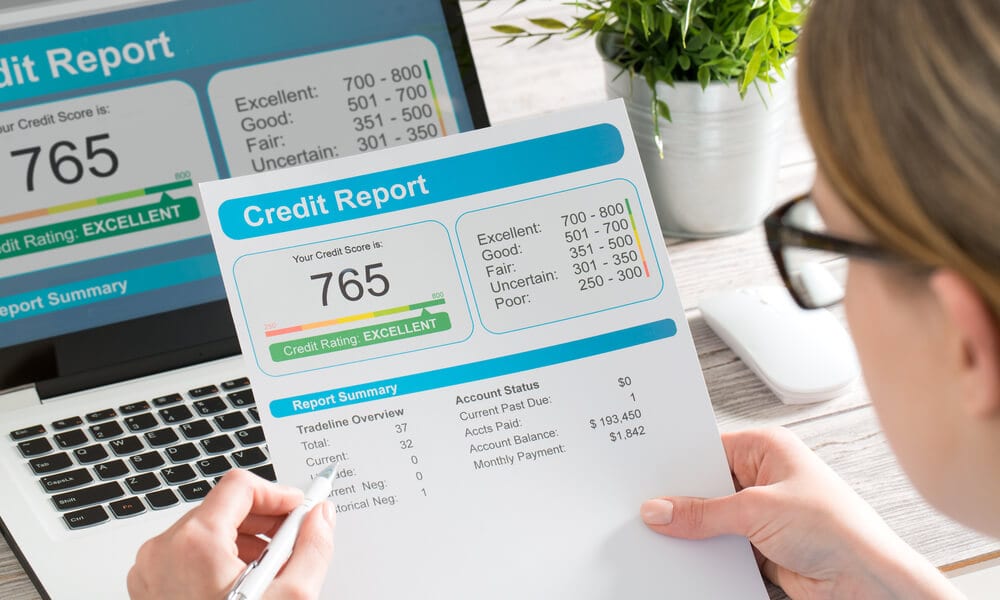
Your credit report is more than just a piece of paper filled with numbers—it’s a snapshot of your financial health. Whether you’re thinking about applying for a loan, signing up for a new credit card, or even considering debt consolidation services, understanding what’s in your credit report is crucial. Lenders use this report to measure your credit risk, or in other words, to assess how likely you are to pay your bills on time. Knowing what’s in your credit report can help you take control of your financial future.
What Exactly Is a Credit Report?
A credit report is a detailed record of your credit history compiled by credit bureaus like Equifax, Experian, and TransUnion. It includes information about your borrowing and repayment habits, as well as details about your credit accounts, payment history, and any public records related to your finances. Lenders rely on this report to decide whether to approve you for loans, credit cards, or other financial products, and it also influences the interest rates you’ll be offered.
Why Credit Reports Matter
Your credit report plays a big role in your financial life. It affects your ability to borrow money, the interest rates you pay, and even your chances of renting an apartment or getting a job in some cases. This is why it’s so important to know what’s in your report and to check it regularly for accuracy. If you’re working with debt consolidation services to manage your debts, understanding your credit report can help you see where you stand and how those services might impact your credit over time.
What You’ll Find In Your Credit Reports
Your credit report is divided into several key sections, each providing different pieces of information about your financial behavior. Here’s a closer look at what you can expect to find.
Personal Information
This section includes your basic identifying information, such as your name, address, Social Security number, and date of birth. It may also list your current and previous employers. While this section doesn’t impact your credit score, it’s important to make sure all the details are accurate. Mistakes here, like a wrong address or a misspelled name, could lead to confusion or mix-ups with someone else’s credit history.
Credit Accounts
The credit accounts section is where you’ll find a list of all your credit-related accounts. This includes credit cards, mortgages, car loans, student loans, and any other lines of credit you’ve opened. For each account, the report will show the creditor’s name, the type of account, the date it was opened, your credit limit or loan amount, the current balance, and your payment history.
- Account Status: Each account will have a status, indicating whether it’s open, closed, current, or past due. Accounts in good standing will reflect positively on your credit report, while missed payments or accounts in collections can negatively impact your credit score.
- Payment History: This part of the report shows whether you’ve made your payments on time. Consistent on-time payments will boost your credit score, while late or missed payments can cause it to drop.
Credit Inquiries
Every time you apply for credit, a lender will check your credit report, which results in a credit inquiry. These inquiries are recorded on your credit report in the credit inquiries section. There are two types of inquiries:
- Hard Inquiries: These occur when you apply for credit, such as a mortgage, car loan, or credit card. Hard inquiries can slightly lower your credit score, especially if you have several within a short period.
- Soft Inquiries: These occur when you check your own credit report or when a lender checks your credit for a pre-approved offer. Soft inquiries do not affect your credit score.
Understanding the difference between these types of inquiries is important, particularly if you’re planning to apply for multiple forms of credit in a short period. Too many hard inquiries can signal to lenders that you’re in financial trouble or overextending yourself.
Public Records and Collections
This section includes any public records that are relevant to your credit, such as bankruptcies, tax liens, or civil judgments. It also lists any debts that have been sent to collections. Public records and collections are serious red flags for lenders, as they indicate financial distress and can significantly lower your credit score.
Credit Score
While your credit score isn’t usually included in your credit report, the information in your report is what’s used to calculate it. Your credit score is a three-digit number that summarizes your creditworthiness. Lenders use this score to assess the risk of lending to you. A higher score means you’re seen as a lower-risk borrower, which can result in better interest rates and loan terms.
Personal Statements
Some credit reports allow you to add a personal statement, where you can explain any negative items in your report. For example, if you missed a payment due to a temporary financial hardship, you can include a note explaining the situation. While not all lenders consider these statements, they can provide additional context to your credit history.
How to Use Your Credit Report to Your Advantage
Knowing what’s in your credit report is the first step toward using it to your advantage. Here are a few tips on how to make the most of your credit report:
Regularly Review Your Credit Reports
You’re entitled to a free credit report from each of the three major credit bureaus once every 12 months. By reviewing your reports regularly, you can catch errors or inaccuracies that could be dragging down your credit score. If you find any mistakes, you can dispute them with the credit bureau to have them corrected.
Monitor Your Credit Health
Your credit report is a valuable tool for monitoring your credit health. By keeping an eye on your payment history, account balances, and credit inquiries, you can see how your financial habits are affecting your credit score. This can help you make adjustments to improve your score over time.
Work with Debt Consolidation Services Wisely
If you’re considering debt consolidation services, understanding your credit report can help you see how these services might impact your credit. Consolidating your debts into a single payment can make managing your finances easier, but it’s important to know how it will affect your credit report and score. For example, closing multiple accounts after consolidation might reduce your credit utilization ratio, which can impact your score.
Plan Ahead for Major Purchases
If you’re planning to make a major purchase, such as buying a home or a car, your credit report will play a significant role in the loan approval process. Reviewing your credit report ahead of time can help you identify any issues that need to be addressed before you apply for a loan. This can give you the best chance of securing favorable loan terms and interest rates.
Final Thoughts
Your credit report is more than just a list of your financial transactions—it’s a key factor that influences your ability to borrow money, the interest rates you pay, and even your overall financial health. By understanding what’s in your credit report and using it to monitor your credit, you can make informed decisions that help you achieve your financial goals. Whether you’re managing existing debts, considering debt consolidation services, or planning a big purchase, your credit report is a powerful tool that can guide you toward a more secure financial future.
