

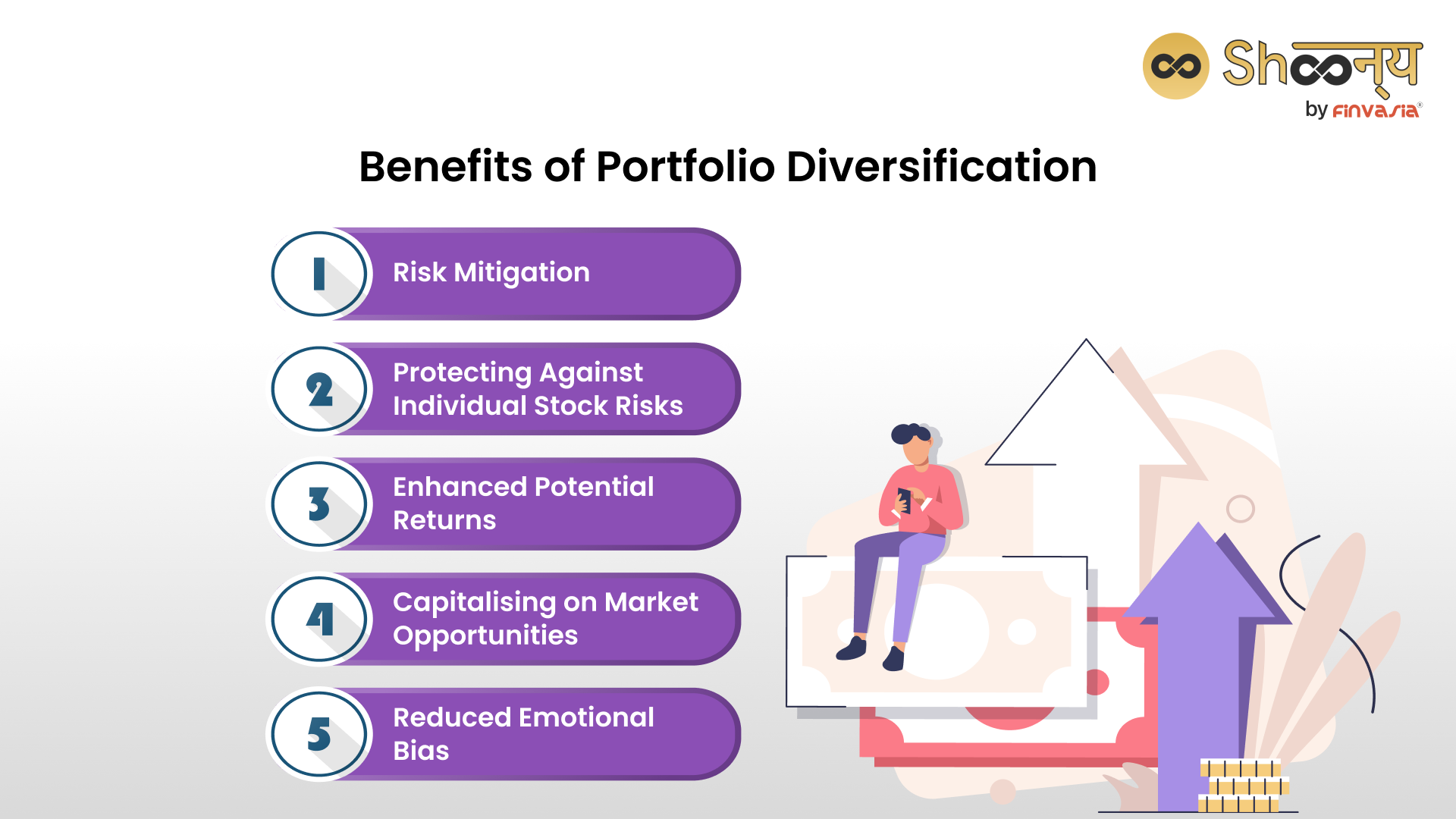
Are you looking to diversify your investment portfolio? Have you considered incorporating financial derivatives? These financial instruments can provide unique opportunities to manage risk and enhance returns.
Risk Management:
A future and option provide effective tools for hedging, allowing investors to protect their portfolios against potential losses in other investments. By locking in prices or using options strategies, traders can manage risk more effectively. This approach aids in mitigating the impact of market volatility and uncertain economic conditions.
The Leverage:
Amplifying Potential Gains
One of the significant advantages of a future and option is leverage.
Investors can manage prominent positions with a relatively small amount of capital. This amplifies potential gains, making it possible to achieve higher returns with a lower initial investment.
Managing Leverage Carefully
However, it is essential to manage leverage carefully to prevent significant losses. Although leverage can increase profits, it can also magnify losses if the market moves unfavorably. Proper risk management and strategic planning are essential when using leverage in financial derivatives trading.
Market Exposure:
Financial Derivatives offer access to a wide range of asset classes, including commodities, stocks, and indices. This broad market exposure helps investors diversify their portfolios, reducing the overall risk. By investing in different markets, traders can benefit from various economic cycles and trends.
Strategic Flexibility:
Tailored Trading Strategies
The strategic flexibility of financial derivatives enables investors to apply various trading strategies based on market conditions. Whether the market is neutral, bullish, or bearish, techniques such as spreads and straddles can be used to maximize returns. This adaptability ensures that investors can always find an approach that aligns with their market outlook.
Valuable Investment Tools
This adaptability makes derivatives a valuable tool in any investment strategy. By leveraging different strategies, investors can enhance their portfolio performance and manage risk more effectively. Financial Derivatives provide the necessary tools to navigate changing market environments successfully.
Income Generation:
Options, in particular, provide income generation opportunities by selling premium contracts. Investors can earn additional income by selling options, enhancing their portfolio returns. This strategy is beneficial in stable or slightly volatile markets with a low risk of significant price movement.
The Diversification:
Incorporating these financial derivatives into a portfolio helps diversify investments across different asset classes. This feature reduces the overall risk as different assets react differently to market conditions. Diversification with derivatives helps balance the portfolio and hedge against adverse market movements.
The Liquidity:
Financial derivatives markets are known for their high liquidity, allowing investors to enter and exit positions quickly. This liquidity provides flexibility in managing portfolio components and ensures that investors can promptly react to market changes. High liquidity also means tighter spreads and better pricing for trades.
Advanced Trading Strategies:
These financial derivatives enable advanced trading strategies like covered calls, protective puts, and straddles. These strategies help investors tailor their approach to specific market conditions and investment objectives. They provide sophisticated tools to optimize returns and manage risk effectively.
Price Discovery:
Financial Derivatives markets play a significant role in price discovery, reflecting market sentiment and expectations. Investors can use the information from these markets to make wise decisions based on market data and trends. Price discovery helps understand the fair value of assets and plan investment strategies accordingly.
A future and option can be powerful tools for diversifying your investment portfolio. They offer risk management, strategic flexibility, and the potential for enhanced returns. However, they also come with risks that require careful management. By educating yourself and starting small, you can effectively incorporate these instruments into your investment strategy and achieve a well-balanced portfolio.
