

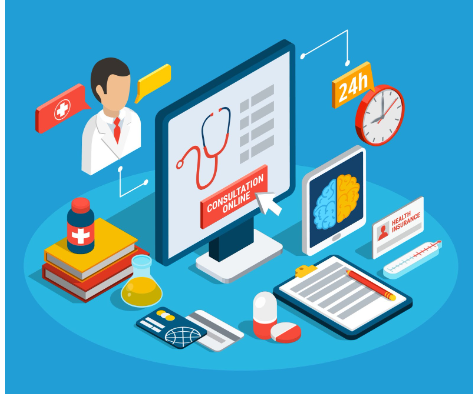
Telemedicine has become one of the critical factors for reshaping the healthcare system and how people communicate with doctors. Telemedicine was considered necessary, especially during the COVID-19 pandemic which brought unexpected changes in the healthcare system globally. During the spread of the pandemic, healthcare providers had the challenge of managing to practice and deliver care while reducing the chances of spreading the virus.
Telemedicine solutions became important during the pandemic, enabling patients to talk to a doctor without leaving their homes. This change also assisted in handling a large influx of patients while also providing appropriate follow-up care to patients with chronic illnesses. In this article, we will learn about telemedicine and how telemedicine solutions have impacted the healthcare sector.
What is Telemedicine?
Telemedicine is the delivery of health care and individual medical services through the use of telecommunications technology. This includes consultations, diagnosis, treatment, and prescribing follow-up appointments and care through video conferencing, phone calls, an application on a smartphone or any other digital means. Telemedicine solutions ensure that more people receive medical attention and get better, and medical services are delivered effectively without requiring direct contact between the patient and the provider.
Example: With telemedicine, a patient with diabetes is able to make appointments through a video conference with their endocrinologist to observe the current status of the patient’s blood sugar levels in real-time. But why does the urge for telemedicine solutions arise in the healthcare industry?
Why Healthcare System Need Telemedicine Solutions?
The evolution of technology and its implementation in various sectors have experienced significant advancements, which has led the health care industry to adapt to these changes. Let’s understand it!
Increased Access to Care: Telemedicine is an effective solution that eliminates geographical factors that make it hard for patients in rural or less developed regions to access health care. This expansion of access helps to close care gaps and thus improves population health in general.
Convenience: Through an online platform, patients can get medical advice through their computers without traveling or physically taking sick leave from work. The accessibility gained through this convenience is beneficial for those with limited movement, little time, or caregiving obligations to healthcare.
Cost Efficiency: Telemedicine allows for limited face-to-face contact with physicians, which minimizes healthcare costs for both the patient and the medical practitioner. Also, telemedicine has the capacity to reduce situations that require ER visits and hospitalization through early intervention.
Improved Patient Outcomes: Remote check-ups and teleconsulting save time for critical medical procedures and help to manage diseases more effectively. Such an approach improves health and prevents complications associated with delayed care.
Safety: Compared to conventional systems, telemedicine and telehealth are less likely to transmit diseases since they do not involve direct face-to-face contact, particularly during a pandemic. This safety measure allows healthcare services to be delivered without exposing more individuals to infections.
Resource Optimization: It assists in controlling the flow of patients and efficiently distributing available healthcare personnel and facilities. Telemedicine solutions are also helpful in allowing practitioners to treat more patients in a day. Thus optimizing system costs and patient wait time for appointments.
Enhanced Chronic Disease Management: Tele-rehabilitation tools also help diagnose long-term illnesses through virtual check-ups and immediate streaming of patient records. This constant follow-up improves patients’ health and mitigates the adverse effects of chronic diseases.
Use cases of Telemedicine Solutions
Now that we know why telemedicine is useful in the healthcare industry, let’s learn about how it can be applied in healthcare to get the maximum benefits from evolving technologies.
Primary Care Consultations: Patients can seek services from their primary care physicians for annual checkups, minor illnesses, and other health issues without necessarily seeking physical attendance.
Chronic Disease Management: Patients with diseases such as diabetes, hypertension, and heart disease will be able to be monitored remotely and have regular check-ups with a doctor in order to make necessary changes to their therapy.
Post-Surgical Follow-Ups: Patients who undergo surgery may have follow-up consultations through telemedicine. They can receive checkups for their recovery, pain control, and treatment of any complications without having to come into the hospital physically.
Pediatric Care: Parents can consult with pediatricians concerning their child’s illness, immunizations, and other issues related to their child’s growth and development; this implies that families do not have to take their young children to a clinic in order to get medical advice.
Infectious Disease Management: In situations such as epidemics or pandemics, the patient can be assessed and reviewed through telemedicine solutions, minimizing contact with other patients with diseases and allowing patients with diseases to be diagnosed and managed without contacting other patients.
Successful Implementation of Telemedicine Solutions In These Platforms
MDLive
Telemedicine is becoming popular in the health sector, and MDLive is one of the best companies that provide virtual healthcare services. They offer telemedicine services and allow patients to see board-certified doctors for different reasons, such as urgent care, primary care, or skin issues. The current MDLive business model is more geared toward urgent care and other non-emergency situations, which makes it a perfect choice for individuals seeking quick advice.
Amwell
Amwell offers a more inclusive telehealth platform with services for patients and healthcare practitioners. Aside from urgent care, Amwell deals in specialty services, including mental health, therapy, and psychiatry. This platform handles health issues across a broader patient’s needs. One of Amwell’s key strengths has been its focus on technology and partnerships that provide a centreless patient experience and accommodations for healthcare professionals.
Conclusion
Telemedicine solutions have significantly changed the healthcare industry through access and availability, flexibility and reach, cost-effectiveness and expenditure, results and outcomes, and risk and safety. To establish and sustain such sophisticated teleradiology systems, it is necessary to connect with web developers for hire with experience in developing secure, dependable, and high-performance healthcare applications. With the increasing consumer interest in these digital health services, healthcare stakeholders must also ensure they have adequate, intuitive, and regulatory-compliant telemedicine platforms to maintain competency in the new health economy.
