

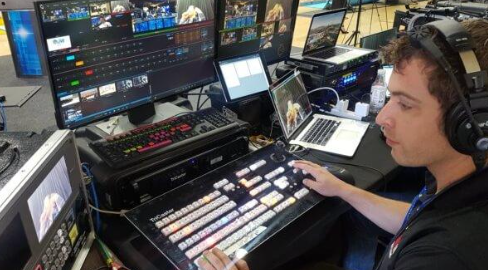
Video production software is an integral part of the remote show editing process, enabling content creators to enhance the visual quality and storytelling of their shows. Tools like Adobe Premiere Pro, Final Cut Pro, and DaVinci Resolve offer professional-grade editing capabilities, allowing for precise control over video and audio elements. These software solutions enable content creators to trim, cut, and arrange footage, add special effects and transitions, adjust color grading, and optimize audio levels. Efficient editing workflows and post-production processes are crucial for a seamless remote show production, ensuring that the final product meets the desired quality and engages the virtual audience effectively. In regions like San Francisco, video production services are increasingly leveraging these tools to create high-quality content.
Streaming Platforms for Remote Shows
Streaming platforms play a pivotal role in the production of remote shows. With a variety of platforms available, such as YouTube Live, Twitch, and Facebook Live, content creators have options that cater to different content types and target audiences. Each platform offers unique features and capabilities, including live chat, audience interaction tools, and monetization options. Choosing the right streaming platform is crucial for maximizing reach and engagement, as it determines the accessibility and discoverability of the remote show. Evaluating the platform’s user base, functionality, and compatibility with the desired content and audience is essential for a successful remote show production. For instance, live streaming in San Francisco has become a popular method for reaching diverse audiences in a tech-savvy city.
Video Conferencing Tools for Collaboration
Collaboration is a crucial aspect of remote show production, and video conferencing tools have become invaluable for facilitating real-time communication and coordination among teams. Platforms like Zoom, Microsoft Teams, and Google Meet offer features that enable seamless collaboration, allowing teams to engage in discussions, share creative ideas, provide feedback, and make necessary adjustments throughout the production process. With video conferencing tools, remote teams can maintain effective communication channels, ensuring that everyone involved in the production is on the same page and working towards a common goal.
Production Software and Editing Tools
Video production software is an integral part of the remote show editing process, enabling content creators to enhance the visual quality and storytelling of their shows. Tools like Adobe Premiere Pro, Final Cut Pro, and DaVinci Resolve offer professional-grade editing capabilities, allowing for precise control over video and audio elements. These software solutions enable content creators to trim, cut, and arrange footage, add special effects and transitions, adjust color grading, and optimize audio levels. Efficient editing workflows and post-production processes are crucial for a seamless remote show production, ensuring that the final product meets the desired quality and engages the virtual audience effectively.
Virtual Sets and Backgrounds
Virtual set technologies have revolutionized the visual aesthetics of remote shows, providing content creators with the ability to create immersive environments that enhance the viewer’s experience. By utilizing green screens, virtual backgrounds, and augmented reality, content creators can transport viewers to virtual spaces that match the theme or narrative of the show. Virtual sets offer flexibility, allowing for dynamic changes and seamless transitions between different scenes, without the need for physical set construction or location changes. This technology opens up endless possibilities for creativity, enabling content creators to craft visually captivating and immersive experiences that captivate audiences.
Remote Production Equipment
Remote production requires reliable and high-quality equipment to ensure a professional outcome. Cameras, microphones, lighting setups, and other essential equipment play a crucial role in capturing and delivering the remote show. Content creators must carefully select equipment based on their production needs and budget.
Live Streaming and Encoding Tools
Seamless live streaming is essential for remote shows. Live streaming and encoding tools enable content creators to broadcast their shows to various platforms while maintaining optimal video and audio quality. Reliable internet connectivity and appropriate encoding settings are vital for delivering a smooth streaming experience to the audience.
Virtual Reality and Augmented Reality Technologies
Virtual augmented reality technologies add an extra layer of immersion to remote shows. VR/AR cameras, headsets, and software allow for interactive and immersive experiences, enhancing audience engagement. A San Francisco video production can explore innovative ways to integrate these elements into their remote shows for a more captivating and memorable experience.
Remote Show Workflow and Best Practices
Establishing an effective remote show workflow is crucial for seamless production. Rehearsing remotely, ensuring technical setups are in place, and troubleshooting potential issues are key aspects of the workflow. Managing remote talent, coordinating remote crews, and maintaining a cohesive production require clear communication and well-defined processes.
Technology plays an indispensable role in enabling seamless remote shows. The selection of appropriate platforms and tools is essential for successful remote show production. Content creators and production teams are encouraged to embrace technological advancements and leverage them to deliver high-quality remote shows. By utilizing the right platforms, tools, and workflows, they can create captivating virtual experiences that engage and entertain audiences.
