

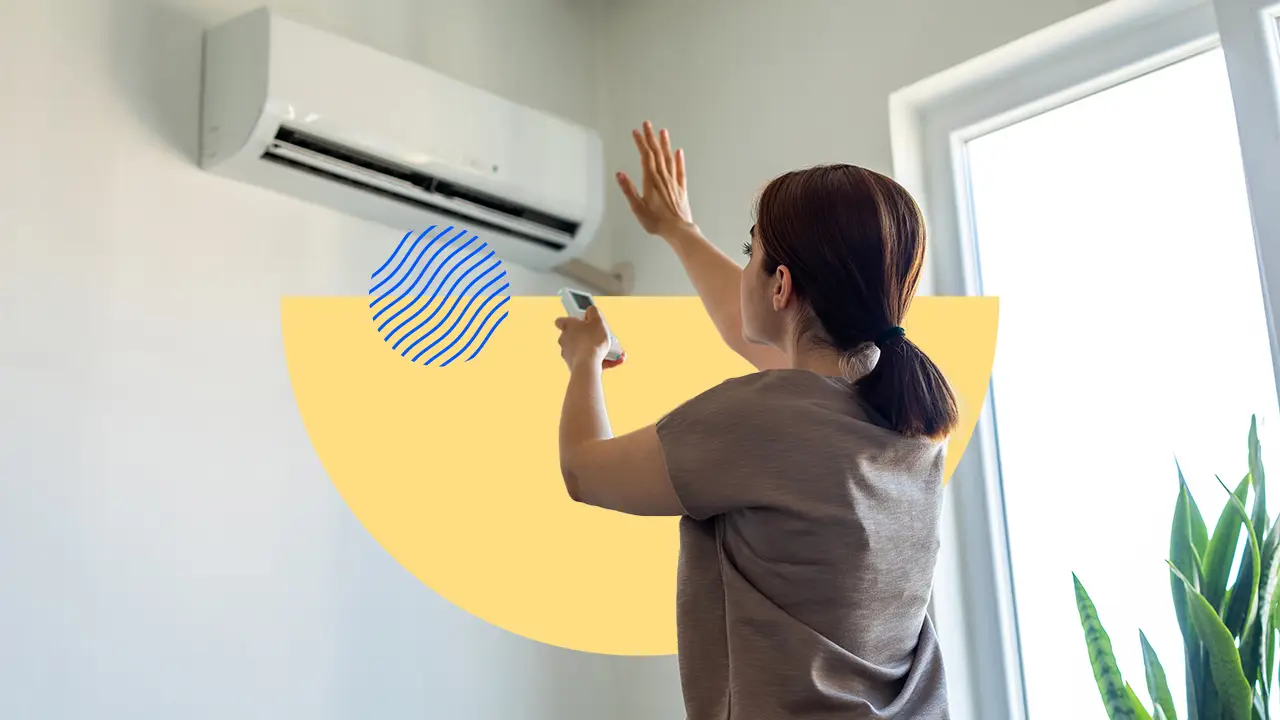
During summer, the ability to have a properly working air conditioner is not simply a convenience, but a necessity. But what if you have a really trustworthy old unit and all of a sudden it is out of order?
Purchasing a new air conditioning unit is usually a large investment for a household. But by anticipating this type of change, it means you are ready for it and would not have to be surprised by such additional costs. Most systems have a life cycle of 10-15 years based on upgrade or maintenance, utilization, and conditions. Being aware of when your system might require replacement is helpful in that you can begin to save money for it long before it actually happens.
Understanding Air Conditioning Replacements Costs
The first thing to know when you are planning a budget for an air conditioning replacement is the cost. Generally, the costs tend to differ a lot depending on the kind of system and its capability. A new air conditioning unit for a home might cost between $3,000 and $7,000.
Extra expenses include the cost for installation which varies with the installation process and adjustments that might be required in the home duct work or electrical systems. At times, there are also additional expenses like managing the disposal of the previous unit, replacing the thermostat, etc.
Air Conditioning Replacements: Budgeting Tips
To make air conditioning replacements expenses without much hassle, make a small savings plan depending on the estimated expenditure. Break down this goal into realistic values of savings that can be achieved within a single month. For instance, if you expect to be in need of a new system in the future, let us say after three years, try and calculate how much you need to save per month in order to meet the set goal. This makes it easy to have the required amount of money when the need arises.
Another piece of advice refers to another aspect: it may be useful to look out for rebates offered by manufacturers of the appliances as well as seasonal and localized promotions from HVAC contractors. These could also greatly bring down your initial expenses. Also, some energy companies provide incentives for the purchase of high-efficiency appliances. Stacking these offers can really add up, and many companies do offer these benefits in some capacity.
Long-term Savings
A benefit derived from spending on air conditioning replacements is that it always leads to cost savings in the future. Modern air conditioners have been proven to be more efficient as compared to those that were used some time back. They consume less power and are therefore cheaper in terms of electricity.
It may cost more to set up but because of the decrease in future expenses, it has the potential to earn you back the money through cost savings. Hence, you would want to select a unit that has the highest possible Energy Star Rating in order to cut down on cost in the long run.
