

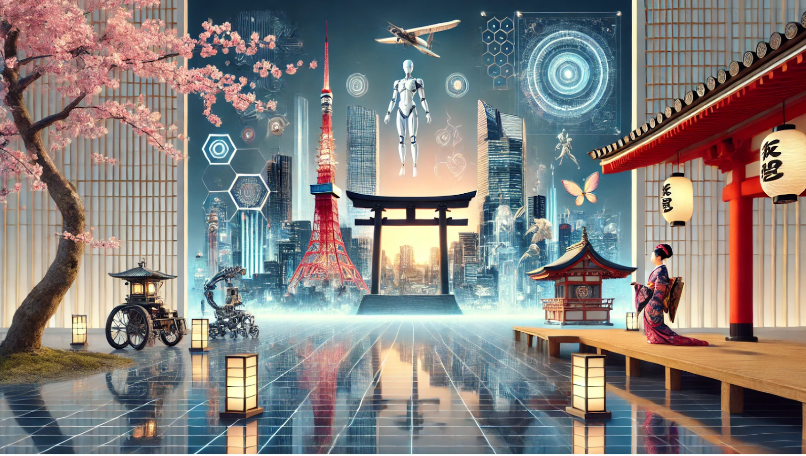
Japan is known for its rich culture and technological innovations, and it’s no surprise that the two often intersect in fascinating ways. From the world of anime and robotics to digital entertainment, Japan continues to lead the way in blending tradition with innovation. This unique combination of culture and technology is not only shaping industries within Japan but also influencing trends around the world. This intersection is particularly evident in Japan’s entertainment sector, where cultural themes and cutting-edge technology come together to create unique experiences.
The Influence of Japanese Culture on Technological Innovation
Japanese culture has always been a source of inspiration for technological advancements. Whether it’s the minimalist design principles that influence consumer electronics or the deep respect for nature that shapes sustainable technology, Japan’s cultural values are often at the heart of its innovations.
In the entertainment industry, this cultural influence is especially strong. Anime, one of Japan’s most famous cultural exports, is a prime example of how traditional art forms have been adapted for modern digital platforms. Anime’s distinctive style and storytelling techniques have not only captivated audiences in Japan but have also gained a massive following worldwide. This global appeal has led to a surge in demand for anime-inspired products and experiences, driving further innovation in areas like animation, gaming, and even virtual reality.
Technological Integration Across Industries
Japan’s ability to seamlessly integrate advanced technologies into various sectors is a demonstration of its innovative and forward-thinking approach. This integration is evident in several key industries:
Healthcare
Japan faces a rapidly aging population, and this demographic shift has spurred the development of robotics to assist in elder care. One notable example is the Robot for Interactive Body Assistance (RIBA), a robot designed to help nurses lift and move patients, reducing the physical strain on healthcare workers and providing comfort to patients. Another innovation is Paro, a therapeutic robot designed to resemble a baby seal, which provides companionship to elderly patients, particularly those with dementia. Paro responds to touch and voice, mimicking the reactions of a real animal, and has been shown to reduce stress and improve patients’ emotional well-being.
E-commerce
Japanese companies are at the forefront of using artificial intelligence (AI) to revolutionize the e-commerce experience. Rakuten, Japan’s largest e-commerce platform, has implemented AI to personalize shopping experiences by analyzing user data to recommend products tailored to individual preferences. Additionally, the use of AI-driven chatbots in customer service has become commonplace, providing instant assistance and resolving queries, thereby improving customer satisfaction. Another example is the use of AI in inventory management, where companies like Uniqlo utilize AI to predict demand and optimize stock levels, reducing waste and ensuring that popular items remain available.
Entertainment
Japan’s entertainment industry is no stranger to technological innovation. One of the most striking examples is the rise of virtual idols and hologram concerts. Hatsune Miku, a virtual pop star created by Crypton Future Media, is perhaps the most famous of these virtual idols. She has appeared in live concerts as a hologram, performing in front of thousands of fans. These concerts use advanced projection technology to create the illusion of a three-dimensional figure on stage, dancing and singing in sync with real musicians.
Another example is the use of AI in music composition. Japanese company Sony CSL developed an AI system called Flow Machines, which can compose music in various styles by analyzing vast datasets of songs. The AI composed an entire album, Hello World, which features tracks that blend human creativity with machine learning. This technology is opening new doors for musicians and producers, allowing them to explore creative possibilities that were previously unimaginable.
Gaming and Beyond
Japan continues to lead in gaming with innovations that blend culture and technology. The Nintendo Switch, for instance, has redefined portable gaming with its versatile design, allowing players to switch between handheld and console modes seamlessly. Additionally, the introduction of AR games like Pokémon GO has taken the world by storm, merging the virtual world with the real one and creating a global phenomenon that has engaged millions of players.
Japan’s influence extends even further to companies like Sony Interactive Entertainment, which has developed groundbreaking VR experiences with PlayStation VR. These immersive games and experiences showcase Japan’s commitment to pushing the boundaries of interactive entertainment. Moreover, Japan’s cultural influence is also evident in collectible card games, with items like Danireon cards becoming highly sought-after by collectors, blending artistic design with strategic gameplay.
Global Impact: Japan’s Cultural Exports and Technological Influence
Japan’s influence on global culture and technology is profound. Anime became a worldwide phenomenon that inspires everything from fashion to film. Japanese design principles, known for their minimalism and functionality, have also set global standards in consumer electronics, with brands like Sony and Panasonic leading the way.
In gaming, iconic franchises like Super Mario and Final Fantasy have introduced millions to Japanese culture, blending art and mythology into captivating stories that resonate worldwide. This cultural and technological impact extends to online casinos, where Japanese themes and advanced technologies like AI and VR are increasingly being integrated into online casino games.
Online casinos now offer games featuring samurai, geishas, and other elements of Japanese folklore, adding unique appeal to casino games and a deeper connection to Japanese culture. VR allows online casino players to explore virtual Japanese settings, while AI personalizes gameplay, making the experience more engaging and immersive.
Japanese online casinos are also known for their high-quality graphics and smooth gameplay, reflecting Japan’s attention to detail and design. These Japanese platforms and their approach have set new standards in the industry, with global platforms striving to match the innovation and quality that Japanese casinos provide.
By combining traditional culture with cutting-edge technology, Japanese online casinos are creating distinctive experiences that appeal to a global audience and stand out in the competitive market.
Conclusion
Japan’s unique blend of culture and technology is a powerful force driving innovation across industries. From anime to online casinos, the country’s ability to integrate cultural elements into technological advancements has resulted in some of the most exciting and engaging experiences available today. As Japan continues to push the boundaries of what’s possible, its influence will undoubtedly continue to shape the future of entertainment and beyond, both at home and around the world.
