

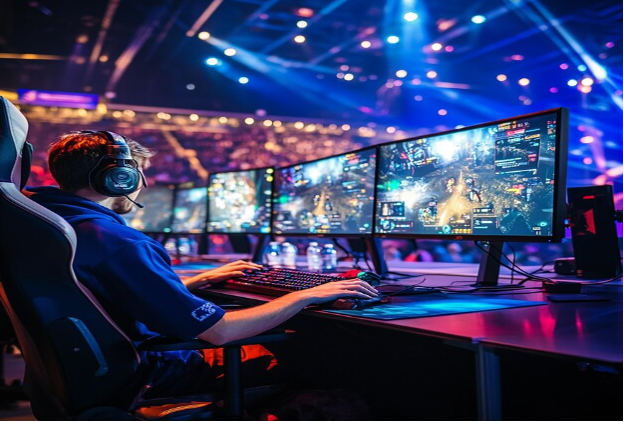
In the past decade, the rise of streaming platforms has profoundly impacted various entertainment sectors, none more so than the world of online gaming. Streaming has transformed how games are played, watched, and discussed, leading to significant shifts in gaming culture and the communities that surround it. The interactive nature of platforms like Twitch, YouTube Gaming, and Facebook Gaming has not only made gaming a spectator sport but also created a global community where players and viewers connect, share experiences, and build relationships. This article delves into the impact of streaming on online gaming culture and how it has reshaped the dynamics of gaming communities.
The Evolution of Streaming and Its Influence on Gaming
The Birth of Streaming Platforms
Streaming, in its early stages, began as a niche activity, with gamers broadcasting their gameplay to a small audience of enthusiasts. However, the introduction of dedicated platforms like Twitch in 2011 marked the beginning of a new era. These platforms offered gamers a way to share their experiences in real-time with a global audience. The evolution of streaming technology, coupled with high-speed internet, allowed for seamless broadcasting, making it accessible to millions worldwide.
As streaming became more popular, it attracted not only individual gamers but also game developers and publishers who saw an opportunity to market their products directly to their target audience. Streaming became an essential tool for promoting new games, with live broadcasts of game launches, exclusive previews, and developer Q&A sessions becoming commonplace. This symbiotic relationship between streaming and the gaming industry has fueled the growth of both, leading to a new cultural phenomenon.
Shaping Gaming Culture
The rise of streaming has had a profound impact on gaming culture, particularly in how games are perceived and consumed. Streaming has democratized gaming content, allowing anyone with a camera and a microphone to become a content creator. This shift has led to the emergence of slot gacor gaming influencers—streamers who have built massive followings and whose opinions can sway the gaming community.
These influencers play a significant role in shaping gaming culture. They introduce new games to their audience, share strategies and tips, and even critique game designs. Their real-time interaction with viewers creates a sense of community, where fans feel connected not only to the streamer but also to other viewers. This has led to the formation of subcultures within the gaming community, each centered around specific games, genres, or personalities.
Moreover, streaming has blurred the lines between playing and watching games. For many, watching a streamer play a game is as engaging as playing it themselves. This shift has given rise to the phenomenon of “spectator gaming,” where the act of watching becomes a form of participation. It has also changed how games are designed, with developers considering how their games will be received by both players and viewers.
The Impact on Gaming Communities
Streaming platforms have become virtual hubs where gaming communities thrive. Unlike traditional gaming forums or social media groups, streaming offers a more dynamic and interactive experience. Viewers can chat with the streamer and other viewers in real-time, creating a sense of immediacy and involvement. This interaction often extends beyond the stream, with communities forming on platforms like Discord, where members can continue discussions, organize game nights, or collaborate on projects.
The sense of community fostered by streaming goes beyond mere social interaction. It provides a space where people with shared interests can come together, regardless of geographical boundaries. For many, these communities offer a sense of belonging that might be lacking in their offline lives. This is particularly true for marginalized groups, who may find acceptance and camaraderie in these online spaces.
Conclusion
Streaming has undeniably transformed online gaming culture and communities, creating new ways for gamers to connect, share, and engage with their favorite games. The interactive nature of streaming has brought people together, forming global communities where the lines between player and viewer are increasingly blurred. While there are challenges ahead, the potential for streaming to continue shaping the future of gaming is immense. As the industry evolves, so too will the impact of streaming, making it an integral part of the gaming experience for years to come.
