

There is a reason porcelain ceramics are considered desirable for their elegance and beauty. Porcelain, prized for its purity and translucence (compared with the dull surface of stoneware), had been known to humanity in one form or another since ancient times; it is not anywhere nearly as fragil A Brief History Of Porcelain Originating from ChinaWhite Gold One of the oldest ceramics known at 7000 – 5000 BC this material has become an expensive and highly desirable product over time. It is a long, arduous task that requires considerable skill, patience and attention to detail. Even in the best works of live porcelain, which can call into question all the ceramics and dishes sold on March 8, finding this balance between unique recipes that determine its composition is a serious problem.If you are currently looking for the best porcelain ceramics, immediately visit the site www.rogerlawceramics.com.
- Balancing Raw Materials
Raw material Based: comprised of 95% porcelain which in turn Raw Materialistic form part()){ Porcelain, made of kaolin — an extremely pure and white-clay that has a high degree of plasticity Many ceramics are made with the addition of other materials to improve its strength, translucency or color: feldspar, silica and bone ash among others. It is particularly important to get the proportions of these ingredients just right since a mix that goes too far one way are likely to lead to imperfections such as warping, cracking or staining.
Mixing Challenges: Proper composition can be a struggle as you need to have an intimate knowledge of each of your materials and how they behave in concert with others. More or less of any one ingredient can lead to an objectionable end product so perfecting the initial mixing is both critical and difficult.
- Shaping and Forming
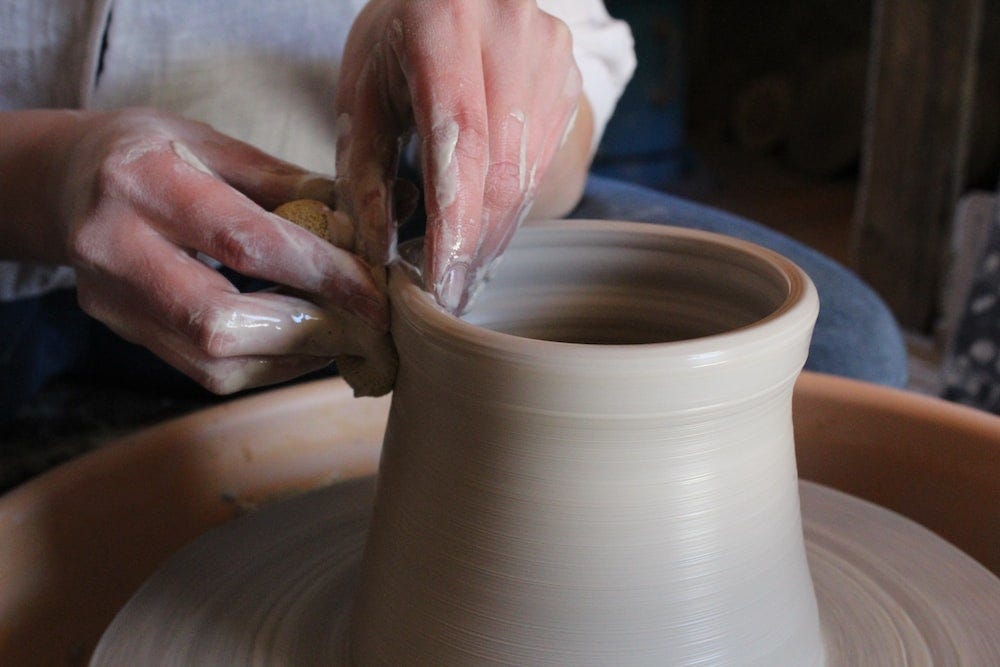
Artisan Skill: After blending of the raw materials now is shaped to form porcelain. Step two- forming the piece: this can be air-dry molding, cast-molding and or wheel-thrown; all which require minute detail. Those imperfections that erode final quality can be a little thing you miss when shaping.
Shaping Process: The primary requirement of the process is not only technical skill but also a visual admiring perspective. It takes a lot of skill to make sure every piece is flawless and looks like how they were supposed to look. The moulding is an artisanal process, hence its irregularity induces another limitation on filigree not permitting absolute reasoning perfection yet still within the comfortable limits of using porcelain based raw material.
- Firing Process
High-Temperature FiringFiring is probably the most important step in producing porcelain. The components are fired at very high temperatures in a kiln, often multiple times, to vitrify the clay and create a dense impermeable layer. Using this method turns the ceramic into a strong and attractive surface that is built to last.
Firing Challenges: Getting the right firing conditions is an art. Key factors include:
Controlled Heating: The kiln needs to heat up and stay at specific temperatures. Improper temperature can cause defects like warping, cracking or lack of dissolution.
Heating and Cooling Rate: Slowly heating up the kiln prevents thermal shock, which would otherwise cause porcelain to crack or shatter.
Atmosphere Management: Arguments that the induction furnace can change to oxidizing and reducing environment, in affects with no background of adjustment behavior may influence the final look of Porcelain. While there are many blue gems, proper management is important to achieve the level of translucency and color you want.
Small variations in any of the parameters used to make tea have a big effect on the end result, even more with time. So, the firing process is very tricky and it needs expertise to make sure each of these cookies come out as was planned by you.
Conclusion
In other words, making porcelain ceramics of the highest quality is quite an intricate task and involves a lot of talent as well. Therefore, you need the right site to shop for rogerlawceramics, which has decades of experience in this field.Everything that goes from material balancing, to the difficulties of shaping and firing leads up to beauty with longevity product. The level of detail needed at each stage shows the refinement and dedication in those practising this art form. It is this culture of excellence that has made porcelain ceramics a celebrated and ageless medium in art.
