

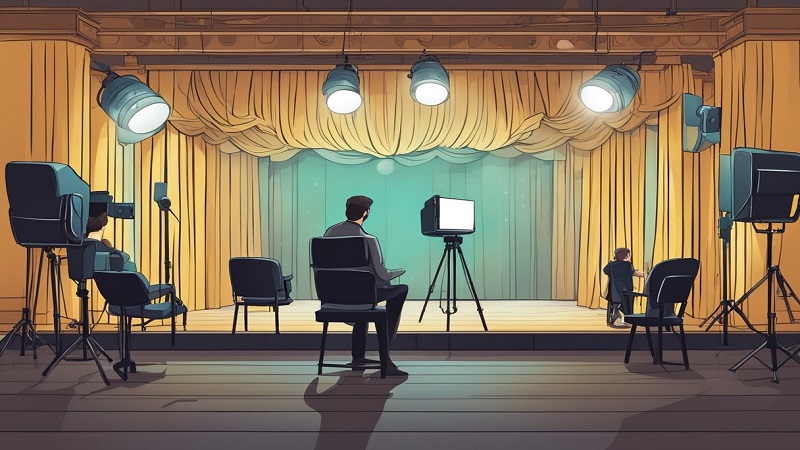
Hollywood acting workshops offer aspiring performers a unique opportunity to hone their craft in the heart of the entertainment industry. These intensive programs provide hands-on training from experienced professionals, giving participants valuable insights into the world of acting.
Hollywood acting workshops equip actors with essential skills and techniques to succeed in the competitive Los Angeles entertainment scene. Participants learn about script analysis, character development, and audition preparation, all while networking with industry insiders.
These workshops often attract a diverse mix of newcomers and seasoned actors looking to refine their abilities. By immersing themselves in the vibrant Hollywood atmosphere, attendees gain a deeper understanding of the industry’s expectations and demands.
Developing Your Acting Skills
Honing acting skills requires dedication, practice, and specialized training. Actors must master various techniques, expand their emotional range, and prepare for on-camera work and auditions.
Mastering Techniques and Emotional Range
Acting workshops focus on core techniques like method acting, Meisner technique, and Stanislavski’s system. These approaches help actors connect with their characters on a deeper level. Emotional range exercises push performers to access and express a wide spectrum of feelings convincingly.
Vocal training and movement classes are essential components. Actors learn to project their voices effectively and use body language to enhance their performances. Improvisation exercises boost creativity and spontaneity, crucial skills for both stage and screen work.
Character analysis workshops teach actors to dissect scripts and develop compelling, multi-dimensional portrayals. This includes exploring character motivations, backstories, and relationships within the context of the story.
On-Camera Practice and Audition Readiness
On-camera classes prepare actors for film and television work. These sessions cover framing, hitting marks, and adapting performances for different shot sizes. Actors learn to modulate their expressions and energy levels for close-ups and wide shots.
Audition preparation is a critical focus. Workshops simulate real audition scenarios, teaching actors to make strong choices quickly and handle cold reads effectively. Casting director feedback sessions provide valuable insights into industry expectations.
Commercial acting classes address the specific skills needed for TV ads. Actors learn to convey messages concisely and connect with viewers in short time frames. These classes often include teleprompter practice and product interaction techniques.
Specialized Training Programs
Many acting workshops offer programs tailored to specific demographics or genres. Kids and teens acting classes focus on age-appropriate material and techniques. These sessions often incorporate games and exercises designed to build confidence and creativity.
Genre-specific workshops help actors refine their skills for comedy, drama, or action roles. Stunt training programs teach safe techniques for physical performances and fight scenes.
Voice acting courses prepare performers for work in animation, video games, and dubbing. These classes emphasize vocal versatility and microphone techniques.
Some workshops offer intensive programs for working actors looking to expand their range or tackle challenging roles. These may include one-on-one coaching sessions with experienced acting coaches.
Navigating the Hollywood Industry
The entertainment industry in Hollywood can be complex and competitive. Aspiring actors need to understand key aspects of representation, networking, and professional relationships to advance their careers.
Representation and Career Management
Securing representation is crucial for actors in Hollywood. Talent agents and managers play vital roles in an actor’s career development. Agents focus on booking jobs and negotiating contracts, while managers provide broader career guidance.
Reputable talent agencies like CAA, WME, and UTA represent many working actors in film, television, and theater. Managers often have smaller client lists and offer more personalized attention.
To attract representation, actors need a strong resume, headshots, and demo reel. Many agents and managers scout new talent at acting workshops, showcases, and industry events in Los Angeles.
Networking Opportunities and Industry Connections
Building a professional network is essential in Hollywood. Industry events, film festivals, and premiere parties offer chances to meet influential people.
Acting workshops provide valuable networking opportunities. Many are taught by working actors, coaches, and casting directors with industry connections.
Professional organizations like SAG-AFTRA host networking events for members. These can lead to collaborations and job opportunities.
Social media platforms allow actors to connect with industry professionals. However, maintaining a professional online presence is crucial.
Contacting and Collaborating with Industry Professionals
Reaching out to industry professionals requires tact and preparation. Research potential contacts thoroughly before making an approach.
Email is often the preferred method for initial contact. Keep messages brief, professional, and specific about your request or proposal.
When meeting in person, be prepared with business cards and a short pitch about your work and goals. Listen actively and ask thoughtful questions.
Collaboration opportunities may arise through workshops, student films, or independent projects. These can lead to valuable relationships and credits for a resume.
