

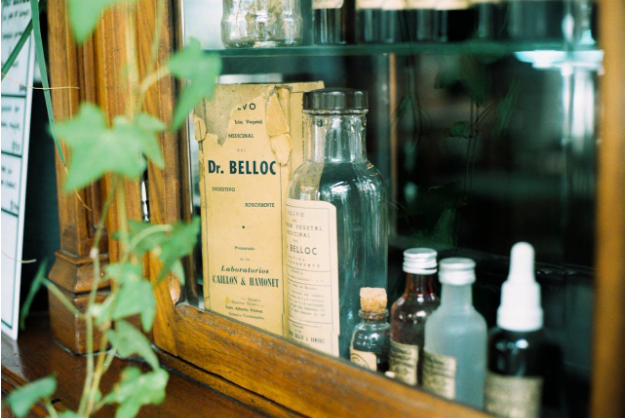
Herbal medicine has been a cornerstone of human health for centuries, with countless cultures relying on plants to treat various ailments. There has been a significant resurgence in herbal remedies in recent years as people seek natural alternatives to pharmaceuticals. This growing interest is not just a trend but is supported by scientific research and real-world examples highlighting plant-based medicine’s efficacy. As science keeps exploring the benefits of these natural remedies, it becomes increasingly clear that the future of medicine might indeed be green.
Scientific Backing for Herbal Remedies
A growing body of research supports the effectiveness of various herbs in treating and managing health conditions. For instance, turmeric has been shown to have potent anti-inflammatory properties. Curcumin, the active compound in turmeric, is being studied for its potential to treat conditions such as arthritis, heart disease, and even cancer. Clinical trials have demonstrated that curcumin can reduce inflammation and improve outcomes for patients with chronic illnesses, making it a promising alternative or complement to conventional treatments.
Kratom is another example of a traditional remedy gaining attention in modern medicine. Historically used for its energizing and pain-relieving properties, kratom has sparked interest in the scientific community for its potential to manage chronic pain, anxiety, and even opioid withdrawal symptoms. The active compounds in kratom, alkaloids, interact with the brain’s opioid receptors, providing relief from pain and producing a calming effect.
Recent studies explore the potential therapeutic uses of kratom more deeply. Research suggests that, unlike traditional opioids, kratom may carry a lower risk of addiction and have fewer severe side effects. This has led to increased interest in kratom as a safer alternative for pain management and as a tool in the fight against the opioid crisis. However, it’s important to note that while kratom shows promise, more research is needed to understand its benefits and risks fully.
Education about kratom is essential for both the public and healthcare providers. Misconceptions and lack of knowledge about the plant can lead to misuse or unnecessary fear. Visit the Kratom Research Institute for more information on the latest findings, research, and guidelines for safe use. As our understanding of kratom grows, it could play a significant role in the future of pain management and mental health care.
Another herb gaining attention is echinacea, which is traditionally used to boost the immune system. Recent studies suggest that echinacea can reduce a cold’s severity when taken at the first sign of symptoms. Its immune-modulating effects are now being explored for potential benefits in managing autoimmune diseases and other immune-related conditions. These examples illustrate how herbs, long used in folk medicine, are now being validated by modern science for their therapeutic potential.
Recent research into adaptogenic herbs like ashwagandha and Rhodiola sheds light on their ability to help the body manage stress. Ashwagandha, in particular, has been studied for its role in reducing cortisol levels, leading to improved mental clarity, better sleep, and enhanced overall well-being. As more research confirms the benefits of these herbs, their use in mainstream medicine is likely to grow, further blurring the lines between traditional and modern healthcare practices.
Last, boswellia, commonly known as frankincense, is a potent herb used for centuries in traditional medicine, particularly Ayurvedic practices. Recent studies have highlighted Boswellia’s potential to reduce inflammation without the harmful side effects often associated with conventional anti-inflammatory drugs. Beyond its anti-inflammatory benefits, Boswellia is also being researched for its ability to support joint health and improve respiratory function, positioning it as a valuable herbal ally in the quest for optimized health and well-being.
Integrating Herbal Medicine into Modern Healthcare
Integrating herbal medicine into modern healthcare systems requires collaboration between traditional practices and scientific research. Healthcare providers increasingly recognize the value of incorporating herbal remedies into treatment plans, especially for patients seeking natural options. For example, herbal supplements are often recommended alongside conventional treatments to enhance effectiveness and reduce side effects.
Standardizing and regulating herbal products are critical for their safe and effective use. Ensuring that herbal remedies are produced under strict quality controls will help maintain their purity and potency, making them more reliable for consumers and healthcare providers. This move towards standardization is crucial for the broader acceptance of herbal medicine in mainstream healthcare.
Incorporating herbal remedies into everyday wellness routines is another growing trend. From teas and capsules to tinctures and creams, people are finding new ways to benefit from the healing power of plants. Herbal medicine seems to be supporting overall health and preventing disease. As this understanding spreads, the use of plant-based remedies is likely to become even more widespread.
Are You Giving Green Medicine the Attention It Deserves?
The future of medicine looks increasingly green as herbal remedies continue to gain recognition for their healing properties. Scientific research is validating what traditional healers have known for centuries: that plants have the power to heal. As interest in plant-based medicine grows, so does the need for education, research, and integration into healthcare practices. Embracing this green future could lead to more natural, effective, and holistic approaches to health and wellness.
