

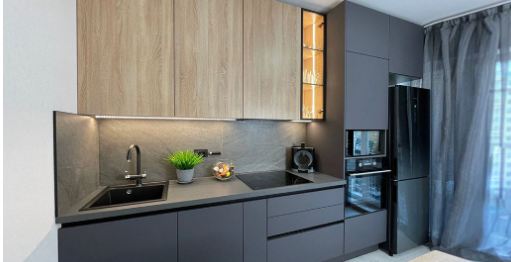
Selecting and fitting a kitchen sink is another important part of the kitchen, both in its aesthetics and utilitarian value. Thus, this article will give precise recommendations on choosing the proper sink and installation tips, in Cambridge in particular, that will allow you to feel comfortable and be highly efficient. Choosing a kitchen sink
Materials
One of the most important aspects when deciding on a kitchen sink is the material it is made of. Contemporary sinks are available in different types of material, each with its strengths and weaknesses.
Stainless steel is a very common material because of its strength and corrosion resistance. Most sinks are easy to clean, and they are made from stainless steel, hence their modern outlook.
Ceramic: The traditional color of ceramic sinks makes them perfect for any traditional kitchen style. They are hard-wearing, stain, and scratch-resistant, but they are sensitive to impact.
Granite and composite materials: These sinks are created using stone and resins, which significantly increases their hardness; they can hardly be scratched and cannot burn.
Cast stone mass: Products made from cast stone for sinks include minerals and acrylic, so they’re very strong and come in several styles. They also differ in terms of color and design options.
If you are hesitant about choosing the material, size, or other features of your sinks, the plumbers at Superior Plumbing and Heating of Cambridge can always advise you on the best way to go and help you with the installation of your sinks: https://superiorplumbing.ca/cambridge/
Size and shape
The size and shape of the sink to be adopted would depend on the size of the kitchen or even the usage of the particular area.
Unitary basins are suitable for rooms with small spaces or homes where the cuisine is not so much used. They possess one large chamber, commonly used to wash pots too.
Two-chamber sinks: are the most widely used ones because a countertop makes it possible to rinse dishes in one chamber and in another, offering more functionality and convenience.
Corner sinks are placed in the corner of the kitchen and help to use space efficiently.
Sinks with additional sections: Many models have a third, the smallest compartment for rinsing vegetables or for fitting extra devices like a waste grinder.
Style and design
The sink should be in the same category as the kitchen’s style. Contemporary kitchens can have steel or granite sinks, while classic-style tile can be equipped with ceramic sinks. Hence, the sink’s color and finish must also be chosen for the rest of Kitchen’s decor.
Installing a kitchen sink
The sink selection is important, but its installation is no less crucial. This will guarantee the corresponding installations a long and trouble-free service life.
Types of installation
Surface mounting: The sink is placed on the worktop, whereby the face of the sink is raised slightly above the worktop plane. This is the basic or usual manner in which most sinks are installed in a building.
Undermount: This particular sink is fitted into the worktop surface in a way that is perfectly level with the worktop’s surface. This installation is slightly more complex; thus, more accurate and experienced personnel are needed.
Under-counter installation: The sink is installed beneath the countertop, which simplifies cleaning water and crumbs off the countertop by washing them directly in the sink. This is another beautiful design with a sophisticated look, but it’s installation procedure is slightly more complex.
Installation tips
Preparing the hole: Ensure the hole cut on the countertop is equal to the size of the sink. If available, it is recommended that you use a template provided by the manufacturer.
Securing:
Install the sink where it should be and fix it using the special fasteners as recommended. Tighten the nuts and bolts to be sure that the sink is attached tightly and does not vibrate when water is running.
Connect the plumbing: Fit the water and drainage lines to the sink. It is very important to ensure that there are no leaks in all connections.
Testing: After you have fixed the sink, run water inside it to check for leakage or other issues that need to be addressed.
Selecting and buying a kitchen sink is one of the essential steps in kitchen design due to its influential role in comfort and utility in the most frequently visited space in the house. Correct selection of material, dimensions, form, and design of the sink and also respective installation by a master will guarantee long-term and defectless work in Cambridge. Consider all these tips when planning your kitchen to achieve the best results.
