

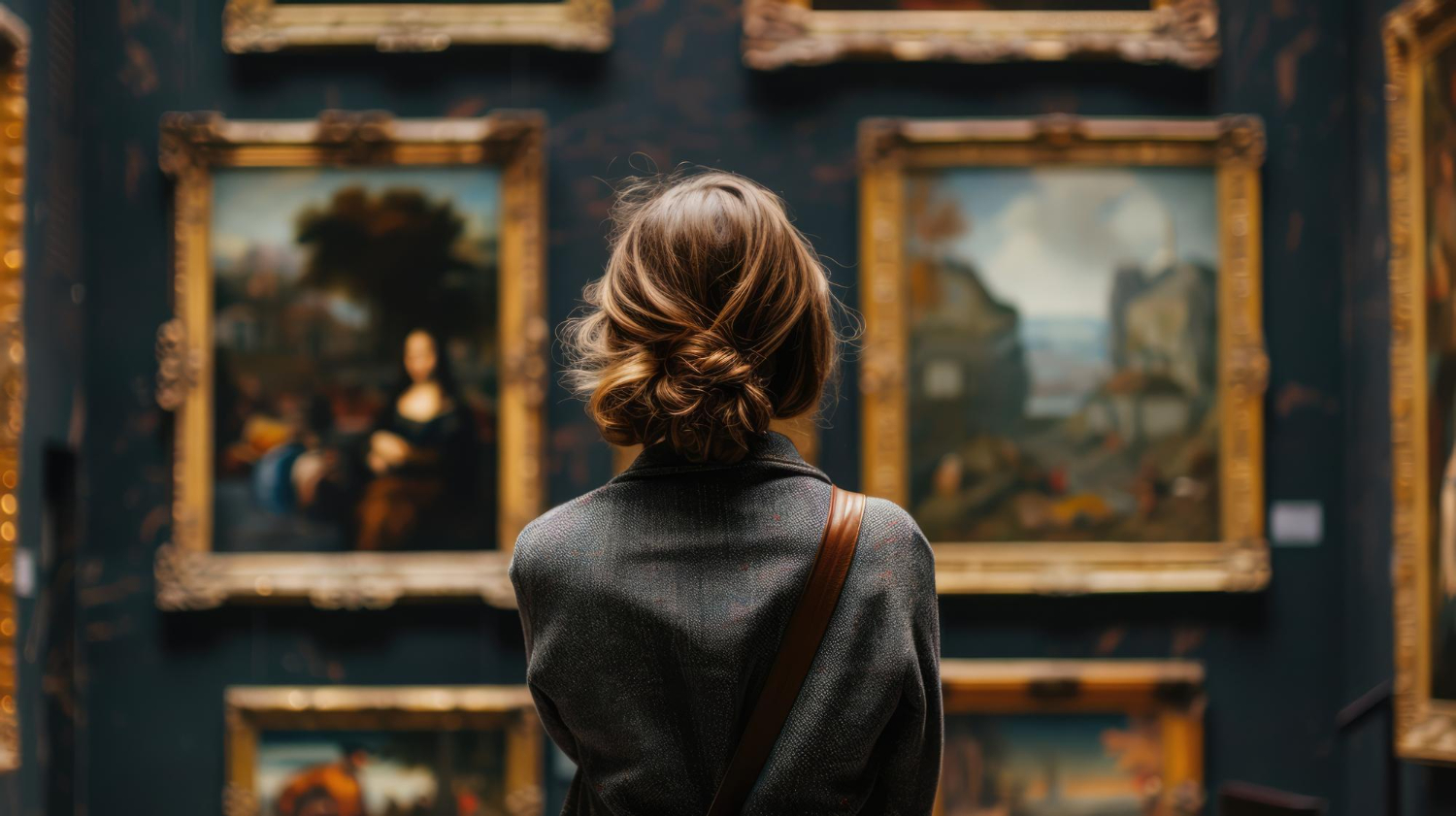
The Emotional Connection: Art as a Reflection of the Soul
Art has the extraordinary ability to evoke emotions, stir the imagination, and connect with individuals on a deeply personal level. When investing in art, collectors often find themselves drawn to pieces (that can be found at: https://www.robertlangestudios.com/pages/buy-art) that resonate with their emotions, values, and experiences. This emotional connection is a powerful aspect of art investment, offering a sense of fulfillment that transcends financial considerations.
- Personal Expression: Art allows individuals to express their identity, beliefs, and emotions. By investing in pieces that speak to their personal experiences, collectors create a collection that reflects their inner world. Each artwork becomes a part of their narrative, a visual representation of their journey through life.
- Emotional Resonance: Certain artworks have the power to evoke strong emotions, whether it be joy, nostalgia, contemplation, or sorrow. These pieces can provide comfort, inspiration, or even a sense of catharsis, enriching the lives of those who engage with them. The emotional value of such works often surpasses their financial worth, making them cherished possessions.
- A Source of Joy and Inspiration: Living with art can bring daily joy and inspiration. The presence of art in one’s environment can uplift the spirit, spark creativity, and provide a sense of tranquility. For many collectors, the emotional rewards of art investment are just as important, if not more so, than the potential for financial gain.
Cultural Significance: Art as a Reflection of Society
Art is a mirror of society, capturing the essence of the times and the cultural, political, and social movements that shape the world. Investing in art allows individuals to engage with these cultural narratives, preserving and celebrating the diversity of human expression.
- Historical and Cultural Insight: Art serves as a historical record, offering insights into the beliefs, values, and events of different eras. By investing in art, collectors contribute to the preservation of cultural heritage, ensuring that future generations can learn from and appreciate the rich tapestry of human history.
- Supporting Cultural Diversity: Investing in art from diverse cultures and backgrounds promotes the recognition and appreciation of different perspectives. It fosters a greater understanding of the world and its myriad cultures, encouraging inclusivity and respect for diversity.
- Engaging with Contemporary Issues: Contemporary art often reflects current social, political, and environmental issues. By investing in contemporary artists, collectors engage with the pressing concerns of the modern world, supporting voices that challenge, provoke, and inspire change. This engagement with contemporary art can be both intellectually stimulating and culturally enriching.
The Social Impact: Art as a Catalyst for Change
Art has the power to inspire social change, raise awareness, and challenge the status quo. Investing in art is not just a financial decision; it is also an opportunity to support artists and movements that seek to make a difference in the world.
- Supporting Emerging Artists: Investing in emerging artists provides them with the financial support they need to continue their creative endeavors. This support can be crucial in helping artists develop their careers and bring new ideas and perspectives to the forefront of the art world.
- Promoting Social and Environmental Causes: Many artists use their work to address social and environmental issues, such as climate change, human rights, and social justice. By investing in such art, collectors contribute to the promotion of these causes, amplifying the impact of the artist’s message.
- Fostering Community and Dialogue: Art has the unique ability to bring people together, fostering community and dialogue. Whether through public art installations, exhibitions, or private collections, art creates spaces for reflection, discussion, and connection. Investing in art helps sustain these spaces, enriching the cultural life of communities and encouraging meaningful conversations.
The Legacy of Art Investment: Building a Cultural Heritage
Art investment is not only about acquiring valuable assets; it is also about building a legacy. Collectors play a vital role in preserving and curating cultural heritage, contributing to the cultural capital that will be passed down to future generations.
- Creating a Personal Legacy: By building a collection of art that reflects their tastes, values, and beliefs, collectors create a personal legacy that can be shared with family, friends, and the broader community. This legacy can take the form of a private collection, donations to museums, or public exhibitions.
- Contributing to Public Collections: Many collectors choose to donate their collections to museums or public institutions, ensuring that the art they have acquired is accessible to the public and preserved for future generations. This act of philanthropy enriches the cultural life of society and ensures the continued appreciation of art.
- Inspiring Future Generations: The art collected today can inspire future generations of artists, scholars, and art lovers. By investing in art, collectors contribute to the ongoing dialogue between past, present, and future, fostering a deeper understanding of the human experience.
The Financial Dimension: A Complementary Perspective
While the emotional and cultural value of art is profound, it is important to acknowledge that financial considerations still play a role in art investment. Art can be a valuable asset that appreciates over time, offering financial returns alongside its cultural and emotional rewards.
- Long-Term Appreciation: Certain artworks, particularly those by renowned or emerging artists, can appreciate significantly over time. This potential for financial gain adds a layer of value to the emotional and cultural benefits of art investment.
- Diversification: Art offers diversification benefits for an investment portfolio, providing a tangible asset that is often less correlated with traditional financial markets. This can help mitigate risk and enhance overall portfolio performance.
- Art as an Asset Class: For some collectors, art represents an alternative asset class that complements other investments, such as stocks, bonds, or real estate. This perspective allows for a balanced approach to art investment, recognizing both its financial and non-financial value.
Conclusion
Investing in art is a journey that transcends the pursuit of financial returns. It is an investment in culture, emotion, and the human experience. The emotional connection, cultural significance, and social impact of art make it a unique and enriching form of investment that offers rewards far beyond monetary gain.
By investing in art, collectors contribute to the preservation and promotion of cultural heritage, support emerging talent, and engage with the pressing issues of our time. They create personal legacies that inspire and educate future generations, while also experiencing the daily joy and inspiration that art brings into their lives.
In a world that is increasingly driven by numbers and data, art remains a powerful reminder of the intangible values that define us as human beings. It speaks to our emotions, our histories, and our shared humanity. Investing in art is, therefore, an investment in something much greater than money—it is an investment in the soul of society.
