

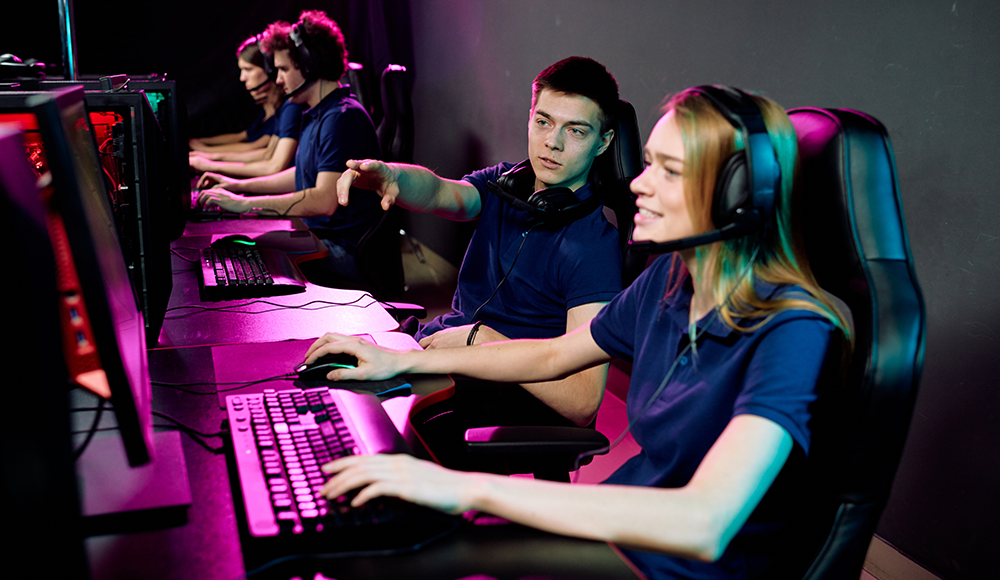
The rise of online gaming has transformed the way people engage with video games, creating a global phenomenon that extends beyond mere entertainment. Online gaming communities have become integral to the gaming experience, providing players with opportunities to connect, compete, and collaborate with others across the world. These communities are not just about playing games; they are about building relationships, fostering a sense of belonging, and engaging in a shared passion. In this article, we will explore how online gaming communities foster connection and competition, and why they have become such a vital part of modern gaming culture.
The Foundation of Connection in Online Gaming Communities
Online gaming communities are built on the foundation of connection. These connections often begin with a shared interest in a particular game or gaming genre. Whether it’s a massive multiplayer online role-playing game (MMORPG), a first-person shooter, or a strategy game, players come together in virtual spaces to share their experiences, tips, and strategies. This shared interest creates a bond that can quickly evolve into meaningful friendships.
Many online gaming communities such as slot gacor terpercaya offer forums, chat rooms, and social media groups where players can discuss the game, share their achievements, and help each other improve. These platforms provide a space where players can connect with like-minded individuals, regardless of geographical location. The anonymity of online interactions can also encourage more open communication, allowing players to express themselves freely without the fear of judgment.
One of the most significant ways online gaming fosters connection is through the concept of guilds or clans. These are groups of players who team up to achieve common goals within a game. Guilds often have their own social structures, rules, and hierarchies, creating a sense of community that extends beyond the game itself. Members of these groups often develop strong bonds, supporting each other both in and out of the game. The camaraderie built within these communities can lead to lasting friendships, with some players even meeting in person to solidify their connections.
Competition: The Driving Force of Online Gaming Communities
While connection is a key component of online gaming communities, competition is the driving force that keeps players engaged. The competitive nature of online gaming is what makes it so thrilling and addictive. Players are constantly striving to improve their skills, achieve higher rankings, and outperform their peers. This desire to be the best fuels the competitive atmosphere that permeates many online gaming communities.
Competitive gaming, also known as esports, has grown into a global industry, with millions of players and spectators participating in tournaments and competitions. Online gaming communities are at the heart of this phenomenon, providing a platform for players to compete against each other on a global scale. These communities offer ladders, leaderboards, and tournaments where players can test their skills against others, earning recognition and rewards for their achievements.
The Role of Online Gaming Communities in Personal Growth
Beyond fostering connection and competition, online gaming communities play a significant role in personal growth. For many players, these communities provide a sense of purpose and achievement that can be difficult to find elsewhere. The challenges presented by games, combined with the support of a community, can help players develop important life skills such as teamwork, communication, and problem-solving.
Team-based online games like slot gacor, in particular, require players to work together to achieve common goals. This collaboration teaches players how to communicate effectively, delegate tasks, and support their teammates. These skills are not only valuable in the gaming world but also translate to real-life situations, such as in the workplace or social settings.
Conclusion
Online gaming communities have become an essential part of the gaming experience, offering players the opportunity to connect with others, engage in friendly competition, and grow as individuals. These communities are more than just a collection of players; they are vibrant social networks that foster a sense of belonging and purpose. As the gaming industry continues to evolve, online gaming communities will likely play an even more significant role in shaping the future of gaming culture. The connections and competitions that arise within these communities will continue to inspire and motivate players, ensuring that online gaming remains a powerful force in the world of entertainment.
