

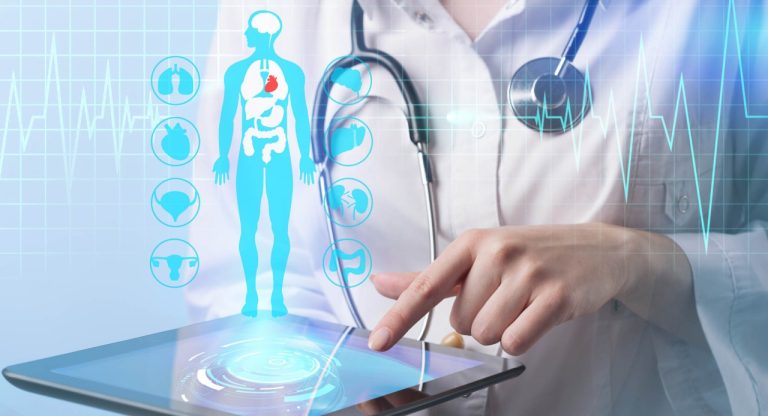
In an era of rapid technological ufabet, the healthcare industry is poised for significant transformations. Innovations in health and technology are paving the way for a future where medical care is more efficient, personalized, and accessible. From artificial intelligence (AI) and wearable devices to telemedicine and genomics, the convergence of health and technology is revolutionizing the way we approach healthcare. This article explores some of the most promising innovations in health technology and their potential impact on the future of healthcare.
Artificial Intelligence and Machine Learning Predictive Analytics
Artificial intelligence (AI) and machine learning (ML) are at the forefront of healthcare innovation. Predictive analytics, powered by AI, can analyze vast amounts of data to predict patient outcomes and disease trends. This capability allows healthcare providers to intervene early and prevent complications, ultimately improving patient outcomes.
Personalized Treatment Plans
AI can also help in creating personalized treatment plans by analyzing patient data, including medical history, genetic information, and lifestyle factors. This enables healthcare providers to tailor treatments to individual patients, increasing the efficacy of interventions and reducing adverse effects.
Diagnostic Accuracy
AI-driven diagnostic tools can enhance the accuracy and speed of diagnoses. For instance, AI algorithms can analyze medical images, such as X-rays and MRIs, to detect abnormalities that may be missed by the human eye. This can lead to earlier and more accurate diagnoses, improving patient outcomes.
Telemedicine and Remote Monitoring Accessibility
Telemedicine has gained significant traction, especially during the COVID-19 pandemic, and is expected to continue growing in the future. It allows patients to consult with healthcare providers remotely, increasing accessibility for those in rural or underserved areas. This innovation can reduce the need for in-person visits, saving time and resources for both patients and providers.
Chronic Disease Management
Remote monitoring technologies, such as wearable devices and mobile health apps, enable continuous tracking of patients’ vital signs and health metrics. This is particularly beneficial for managing chronic diseases like diabetes and hypertension, where regular monitoring is crucial. Healthcare providers can receive real-time data and intervene promptly if any abnormalities are detected.
Emergency Response
Telemedicine can also play a crucial role in emergency response. Remote consultations with specialists can provide critical support in emergency situations, especially in areas lacking specialized medical expertise. This can improve patient outcomes by facilitating timely and accurate medical interventions.
Genomics and Personalized Medicine Genetic Testing
Advancements in genomics are unlocking new possibilities for personalized medicine. Genetic testing can identify an individual’s susceptibility to certain diseases, enabling early interventions and preventive measures. It can also guide treatment decisions, such as determining the most effective medications based on a patient’s genetic makeup.
Targeted Therapies
Genomic research is paving the way for targeted therapies, which are treatments tailored to the specific genetic mutations driving a patient’s disease. This approach is particularly promising in oncology, where targeted therapies can attack cancer cells with precision, minimizing damage to healthy tissue and improving patient outcomes.
Pharmacogenomics
Pharmacogenomics, the study of how genes affect a person’s response to drugs, is another emerging field. It can help predict which medications will be most effective and which ones may cause adverse reactions, leading to more personalized and safer treatment plans.
Robotics and Minimally Invasive SurgerySurgical Precision
Robotic-assisted surgery is revolutionizing the field of surgery by enhancing precision, reducing invasiveness, and improving patient outcomes. Robots can assist surgeons in performing complex procedures with greater accuracy, minimizing the risk of complications and speeding up recovery times.
Remote Surgery
The future may see the rise of remote surgery, where surgeons can operate on patients from a distance using robotic systems. This could make specialized surgical expertise accessible to patients in remote or underserved areas, significantly improving healthcare equity.
Rehabilitation and Assistance
Robotic technologies are also being developed to assist in rehabilitation and provide support for individuals with disabilities. Exoskeletons, for example, can help patients regain mobility after a stroke or spinal cord injury, improving their quality of life and independence.
Wearable Technology and Health Monitoring Continuous Health Tracking
Wearable devices, such as smart watches and fitness trackers, are becoming increasingly sophisticated, offering continuous health monitoring capabilities. These devices can track various health metrics, including heart rate, blood pressure, and activity levels, providing valuable data for both patients and healthcare providers.
Early Detection
Wearable technology can facilitate the early detection of health issues by monitoring subtle changes in vital signs and alerting users to potential problems. For example, wearable ECG monitors can detect irregular heart rhythms, allowing for early diagnosis and treatment of conditions like atrial fibrillation.
Patient Engagement
Wearable devices also promote patient engagement by empowering individuals to take an active role in managing their health. By providing real-time feedback and personalized insights, these devices encourage healthier behaviors and adherence to treatment plans.
Virtual Reality and Augmented RealityMedical Training
Virtual reality (VR) and augmented reality (AR) technologies are transforming medical training by providing immersive and interactive learning experiences. Medical students and professionals can practice procedures in a virtual environment, gaining valuable experience without risking patient safety.
VR is also being explored as a tool for pain management and mental health treatment. Immersive VR experiences can distract patients from pain and anxiety, offering a non-pharmacological approach to managing discomfort and enhancing mental well-being.
Patient Education
AR can be used to enhance patient education by providing interactive and visual explanations of medical conditions and treatments. This can help patients better understand their health and make informed decisions about their care.
The Integration of Block chain Data Security
Block chain technology has the potential to enhance data security in healthcare by providing a decentralized and immutable record of transactions. This can help protect sensitive patient information from cyber threats and ensure data integrity.
Interoperability
Block chain can also facilitate interoperability between different healthcare systems by providing a secure and transparent way to share patient data. This can improve care coordination and reduce the risk of medical errors caused by fragmented information.
Supply Chain Management
In addition to data security, block chain can enhance supply chain management in healthcare by providing a transparent and traceable record of the movement of medical products. This can help prevent counterfeit drugs and ensure the integrity of the supply chain.
Conclusion
The future of healthcare is being shaped by a convergence of innovative technologies that promise to transform the way we diagnose, treat, and manage health conditions. From AI and telemedicine to genomics and wearable technology, these advancements are paving the way for a more personalized, efficient, and accessible healthcare system. As these technologies continue to evolve they will undoubtedly bring about significant improvements in patient outcomes and the overall quality of care, ushering in a new era of health innovation.
