

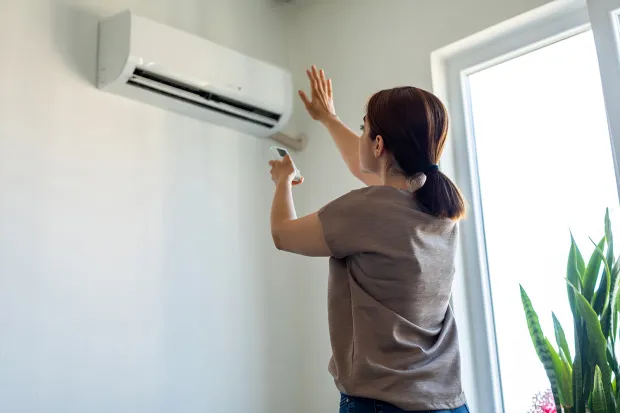
Air conditioners are essential for maintaining comfort during hot seasons, but a noisy unit can be annoying and indicate underlying issues. Understanding the causes of these noises and knowing how to address them efficiently can save homeowners from potential discomfort and costly repairs. We will explore common sources of air conditioner noise and provide practical solutions to mitigate them. By promptly identifying and resolving these problems, you can ensure your air conditioning system operates smoothly and quietly, enhancing indoor comfort and extending the unit’s lifespan.
Identifying Common Sources of Noise
Understanding the different types of noises an air conditioner can make is the first step in diagnosing and resolving the issue. Rattling noises often indicate loose components or debris trapped inside the unit. Screeching sounds may point to a malfunctioning fan motor or a worn-out belt, disrupting the airflow and reducing the system’s efficiency. Hissing noises are typically a sign of refrigerant leaks, which affect the cooling performance and pose environmental hazards. By identifying the specific type of noise and its potential source, you can take targeted actions to address the problem. Regular maintenance and inspection can help early detection and prevent minor issues from escalating into major repairs.
Solutions for Rattling Noises
Rattling noises are among the most common complaints from air conditioner users. They often result from loose screws, bolts, or other small components within the unit. To address this issue, start by turning off the air conditioner and inspecting the exterior and interior parts for any loose or detached components. Tighten any loose screws and secure any parts that may have shifted out of place. Additionally, check for any debris that might have been trapped inside the unit, such as leaves or small twigs, and remove them carefully. Ensuring the air conditioner is installed on a stable and level surface can also help reduce rattling noises. If the problem persists, consider consulting a professional technician for a more thorough inspection and repair.
Addressing Screeching Sounds
Screeching sounds from an air conditioner often indicate issues with the fan motor or belt. A worn-out or misaligned fan belt can cause a high-pitched screeching noise, irritating and harmful to the unit’s operation. To resolve this, turn off the power to the air conditioner and inspect the belt for any signs of wear or damage. If the belt appears worn out, it should be replaced promptly. Lubricating the motor bearings can also help reduce screeching noises. Sometimes, the motor may need to be replaced if it has become too worn or damaged. Regular maintenance, such as lubricating moving parts and replacing worn components, can prevent screeching sounds and ensure smooth operation.
Resolving Hissing Noises
Hissing noises from an air conditioner are often a sign of refrigerant leaks, which can significantly impact the cooling performance and efficiency of the unit. To address this issue, start by turning off the air conditioner and inspecting the refrigerant lines for any visible signs of leaks, such as oily spots or frost buildup. If a leak is detected, it is essential to call a professional technician to repair it and recharge the refrigerant. Attempting to fix refrigerant leaks without proper training and equipment can be dangerous and may cause further damage to the unit. Regularly checking the refrigerant levels and ensuring the lines are properly insulated can help prevent hissing noises and maintain optimal cooling performance.
Preventive Maintenance Practices
Preventive maintenance is critical to ensuring your air conditioner operates efficiently and quietly. Regularly cleaning or replacing the air filters can improve airflow and reduce strain on the unit, preventing various noise issues. Inspecting and cleaning the evaporator and condenser coils can also enhance cooling efficiency and avoid overheating, which can cause unusual noises. Additionally, checking and tightening all electrical connections can prevent loose components from causing rattling sounds. Scheduling professional maintenance at least once a year can help identify and address potential problems before they escalate. Following these preventive maintenance practices ensures your air conditioner remains in good condition and operates quietly, providing reliable comfort throughout the hot season.
Professional Inspection and Repair
While some air conditioner noise issues can be resolved with essential maintenance and DIY repairs, others may require the expertise of a professional technician. You should seek professional assistance if you encounter persistent or unusual noises that you cannot identify or fix on your own. A trained technician description at Sarkinen Heating and Cooling can comprehensively inspect your air conditioner, diagnose the problem accurately, and provide appropriate repairs or replacements. Professional services can ensure that the repairs are done correctly and safely, preventing further damage to the unit and avoiding costly repairs in the future. Investing in professional inspection and repair can also extend the lifespan of your air conditioner and improve its overall performance.
Understanding and addressing the causes of noisy air conditioners is crucial for maintaining a comfortable and efficient cooling system. We have explored familiar sources of air conditioner noise, including rattling, screeching, and hissing sounds, and provided practical solutions for each issue. Regular maintenance, timely inspections, and professional repairs can help prevent and resolve noise problems, ensuring your air conditioner operates smoothly and quietly. By taking proactive steps to address these issues, you can enjoy a more comfortable indoor environment and extend the lifespan of your air conditioning system. Remember, a quiet and efficient air conditioner enhances your comfort and contributes to energy savings and environmental sustainability.
