

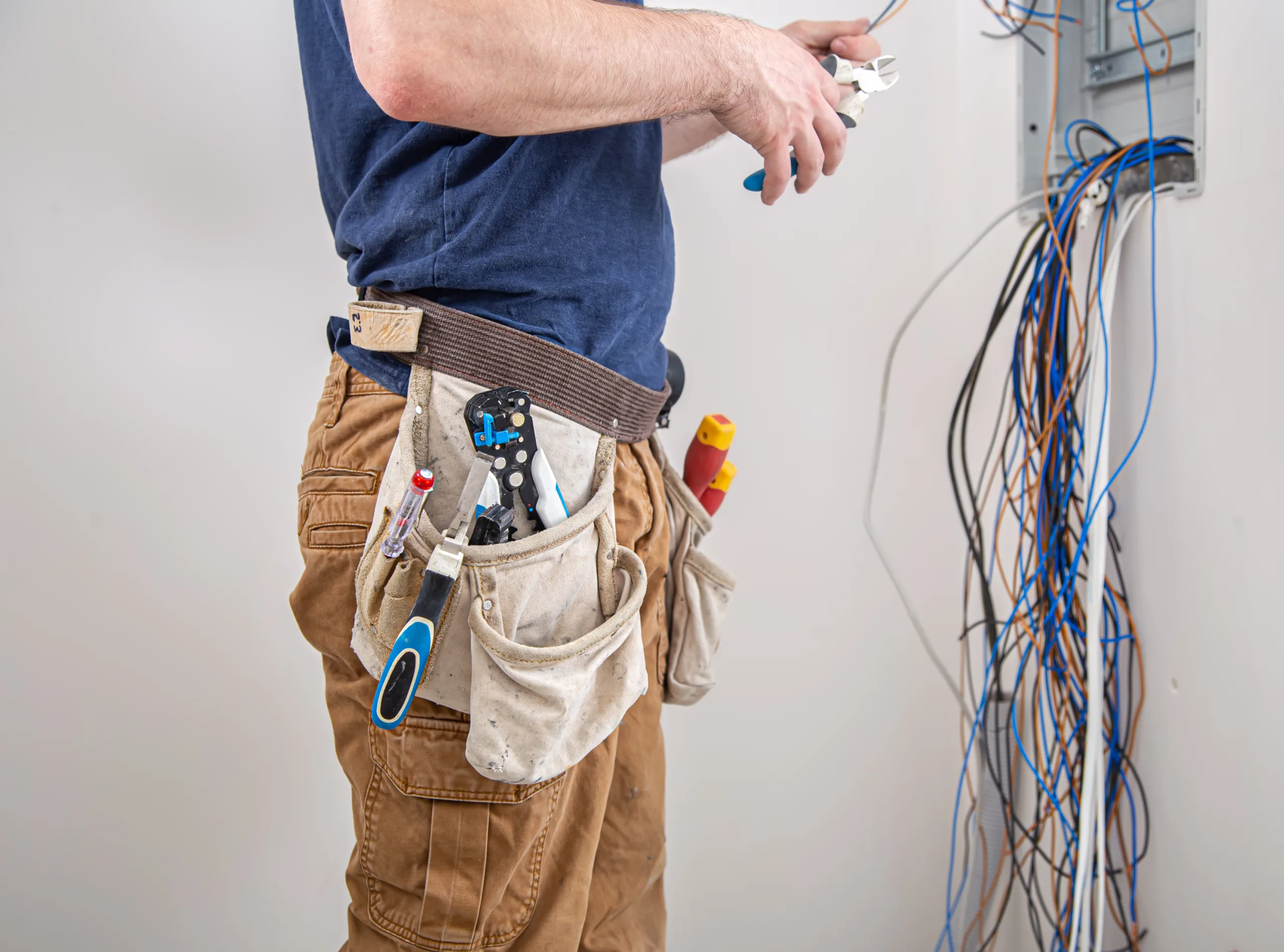
Old wiring systems present unique challenges in electrical repairs and safety. As buildings age, their wiring often becomes outdated, increasing the risk of electrical faults and compromising safety. We will explore how aging electrical systems affect repair needs and safety considerations. Understanding these issues is crucial for maintaining electrical integrity and preventing potential hazards. Proper assessment and timely updates can significantly mitigate risks associated with outdated wiring, ensuring the safety and functionality of electrical systems in older buildings.
Challenges of Outdated Wiring
Outdated wiring systems can pose significant challenges in maintaining electrical safety and functionality. Older homes and buildings were often wired with materials to meet current safety standards. For instance, cloth-insulated wiring, common in the early 20th century, is now known to deteriorate over time, leading to increased risks of short circuits and electrical fires. Additionally, older wiring may not support modern electrical loads, leading to frequent tripping of circuit breakers and overheating. This strain on outdated systems can cause intermittent electrical problems that are difficult to diagnose and repair. Therefore, addressing these issues often requires a thorough inspection and, in many cases, a complete rewiring of the affected areas to ensure compliance with current electrical codes.
Impact on Electrical Repairs
When dealing with old wiring, repairs can become more complex and costly. Old wiring systems may have been installed with outdated methods that do not align with modern standards, making repairs more challenging. For example, older systems may use ungrounded or improperly grounded wiring, which complicates adding new outlets or updating existing ones. Repairing such systems often requires careful consideration of the existing wiring to avoid introducing new hazards. Additionally, finding compatible replacement parts for older wiring systems can take time, further complicating the repair process. Electricians must be skilled in working with old and new technologies to ensure that repairs are conducted safely and effectively, balancing immediate fixes with the long-term goal of upgrading the electrical system.
Safety Concerns with Old Wiring
The safety concerns associated with old wiring are significant and multifaceted. Aging wiring systems are more susceptible to faults that can lead to electrical fires, shocks, or electrocution. Over time, insulation on old wiring can degrade, exposing live wires and increasing the risk of short circuits. Additionally, older wiring systems may lack essential safety features in modern systems, such as ground-fault circuit interrupters (GFCIs) and arc-fault circuit interrupters (AFCIs), which are crucial for preventing electrical hazards. The increased risk of overheating and potential fire hazards associated with old wiring underscores the importance of regular inspections and timely upgrades. Addressing these safety concerns proactively can help prevent accidents and ensure the electrical system remains reliable and secure.
Upgrading Old Wiring Systems
For high-quality Vancouver electrical repair, upgrading old wiring systems is essential to maintaining safety and functionality in older buildings. This process typically involves replacing outdated wiring with new materials that meet current electrical codes and standards. The upgrade may also include installing modern safety features such as circuit breakers, GFCIs, and AFCIs, which enhance overall electrical safety. During an upgrade, it is crucial to assess the entire electrical system, including the service panel, outlets, and fixtures, to ensure compatibility with the new wiring. The complexity of this task often requires a comprehensive approach, including careful planning and coordination with professionals. While the initial cost of upgrading old wiring can be substantial, the long-term benefits include increased safety, improved electrical performance, and potentially higher property values.
Preventive Measures and Regular Inspections
Regular inspections and preventive measures are vital for managing the risks associated with old wiring. Periodic electrical inspections can identify potential issues before they become serious problems, allowing for timely repairs or upgrades. During an inspection, electricians assess the condition of the wiring, check for signs of deterioration, and ensure that the system complies with current safety standards. Homeowners should also be vigilant about any signs of electrical problems, such as frequent tripping of circuit breakers, flickering lights, or burning smells. Addressing these signs promptly can prevent more significant issues and ensure the continued safety of the electrical system. Implementing preventive measures, such as avoiding overloading circuits and using quality electrical products, can also help extend the lifespan of older wiring and reduce the risk of electrical hazards.
Old wiring systems present a range of challenges in electrical repairs and safety. As these systems age, they become more prone to faults and hazards that can compromise functionality and safety. Addressing these issues through regular inspections, timely upgrades, and preventive measures is essential for maintaining a safe and reliable electrical system. By understanding the impact of old wiring and taking proactive steps, homeowners can protect their property and ensure that their electrical systems meet current safety standards. Investing in the necessary repairs and upgrades enhances safety and contributes to the property’s overall efficiency and value.
