

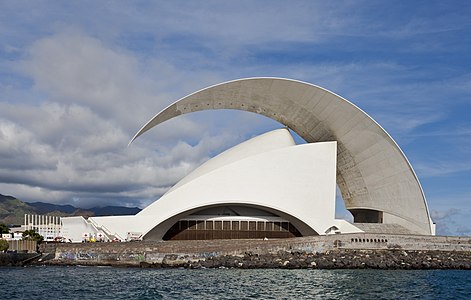
Architecture is evolving, and at the forefront of this transformation is Gabriel Calatrava. With a unique approach that marries engineering precision with artistic flair, he is redefining what we expect from our urban landscapes. Gabriel, son of the famous architect Santiago Calatrava, has carved out his own identity in the architectural world, blending his father’s influence with his personal vision to create spaces that are both functional and breathtakingly beautiful. In this blog post, we’ll explore Gabriel’s contributions to architecture, his innovative approach, and how he’s shaping the future of our cities.
The Legacy of Santiago Calatrava
An Influential Pedigree
Gabriel Calatrava grew up in the shadow of his father’s towering achievements. Santiago Calatrava is known for his extraordinary structures that fuse architecture and engineering. From the iconic Turning Torso in Sweden to the World Trade Center Transportation Hub in New York, Santiago’s work is instantly recognizable for its fluid forms and structural daring.
How Gabriel Differentiates Himself
While Gabriel respects and draws inspiration from his father’s work, he brings his unique touch to his projects. His designs are characterized by a strong commitment to sustainability and community impact. Unlike many architects who stick strictly to one style or methodology, Gabriel’s versatility allows him to adapt to the needs of each project, making him a standout figure in modern architecture.
Influence and Inspiration
Growing up surrounded by awe-inspiring architecture, Gabriel was naturally inclined to pursue a similar path. However, his inspirations extend beyond his father’s work. He draws from various forms of art, technology, and even nature to inform his designs, leading to highly creative yet functional structures.
Bridging Engineering and Artistry
A New Approach to Architecture
Gabriel’s work is defined by its amalgamation of art and engineering. He believes that the structural integrity of a building should coexist harmoniously with its aesthetic appeal. In his hands, architecture becomes more than just the creation of space; it transforms into an artistic expression that speaks to both the heart and the mind.
Technological Integration
One of Gabriel’s key strengths is his ability to integrate cutting-edge technology into his designs. This not only ensures the structural soundness of his buildings but also introduces innovative solutions that enhance functionality and user experience. From smart building materials to adaptive frameworks, Gabriel uses technology to push the boundaries of what’s possible in architecture.
Case Studies
Several projects showcase Gabriel’s unique approach. For instance, his work on the Hudson Yards development in New York exemplifies how he blends structural efficiency with visual impact. The use of lightweight materials and a modular design approach makes these buildings both resilient and aesthetically pleasing.
The Role of Sustainability
Eco-Friendly Designs
Sustainability is a core element in Gabriel’s Calatrava architectural philosophy. He understands that modern architecture must address environmental concerns, and his designs often incorporate eco-friendly materials and practices. By prioritizing sustainability, Gabriel not only contributes to greener cities but also sets a benchmark for future architectural endeavors.
Renewable Energy Integration
Many of Gabriel’s projects feature renewable energy sources like solar panels and wind turbines. These elements are seamlessly integrated into the structure, ensuring that the buildings are not only self-sustaining but also contribute positively to the environment.
Long-Term Vision
Gabriel aims to create buildings that are not just sustainable today but remain so for generations. His long-term vision involves designing structures that can adapt to changing environmental conditions and technological advancements, ensuring their relevance and functionality well into the future.
Enhancing Community Spaces
User-Centric Design
Gabriel places a strong emphasis on the human experience within his designs. He believes that architecture should serve the people who use it, and this philosophy is evident in his user-centric approach. His projects often include communal spaces that encourage social interaction and foster a sense of community.
Examples of Community Impact
One notable example is his redesign of public parks in urban areas. By incorporating elements that cater to diverse groups—such as playgrounds, walking trails, and open-air theaters—Gabriel enhances the usability and attractiveness of these spaces, making them integral parts of the community.
Future Projects
Looking ahead, Gabriel is committed to furthering this community-centric approach in his upcoming projects. Whether it’s residential complexes, commercial spaces, or public infrastructure, his focus remains on creating environments that enrich the lives of their users.
Blending Tradition with Innovation
Respect for Heritage
Gabriel’s designs often reflect a deep respect for architectural heritage. He believes that the past has valuable lessons to offer and often incorporates traditional elements into his modern designs. This blend of old and new creates structures that are both timeless and contemporary.
Use of Traditional Materials
By using materials like stone and wood alongside modern composites, Gabriel achieves a balance that honors historical craftsmanship while taking advantage of technological advancements. This approach not only enriches the aesthetic quality of his buildings but also enhances their durability and sustainability.
Innovation in Restoration
In addition to new constructions, Gabriel has worked on restoring historical buildings, ensuring they meet modern standards without losing their original charm. His innovative techniques in restoration have earned him accolades from both the architectural community and preservationists.
Adapting to Urban Challenges
Urban Density Solutions
With urban areas becoming increasingly crowded, the need for efficient use of space is more critical than ever. Gabriel’s designs tackle this challenge head-on by creating multi-functional spaces that maximize utility without compromising on aesthetics.
Vertical Living
One solution Gabriel champions is vertical living. By designing high-rise buildings that offer residential, commercial, and recreational spaces within the same structure, he addresses the issue of space scarcity while fostering a sense of community.
Smart Cities
Gabriel is also a proponent of smart city concepts, integrating IoT (Internet of Things) technologies into his designs to create intelligent, responsive urban environments. These smart solutions not only improve the quality of life for residents but also optimize resource usage, contributing to the overall sustainability of the city.
The Future of Architecture with Gabriel Calatrava
Visionary Projects
Gabriel continues to push the envelope with visionary projects that redefine what architecture can achieve. His upcoming projects promise to further blur the lines between engineering and art, offering innovative solutions to contemporary urban challenges.
Educational Initiatives
Beyond his architectural practice, Gabriel is committed to education, sharing his knowledge and passion with the next generation of architects through lectures, workshops, and collaborative projects. His aim is to inspire young minds to think creatively and sustainably about the built environment.
Global Influence
Gabriel’s work is not confined to one region; his influence is global. By working on projects across different continents, he brings a diverse range of cultural perspectives into his designs, making them universally appealing and relevant.
Conclusion
Gabriel Calatrava is more than just an architect; he is a visionary who bridges the gap between engineering and artistry. His unique approach to design, commitment to sustainability, and focus on community impact set him apart in the field of architecture. By continuing to innovate and inspire, Gabriel is not only shaping the future of urban landscapes but also setting a new standard for what architecture can achieve.
