

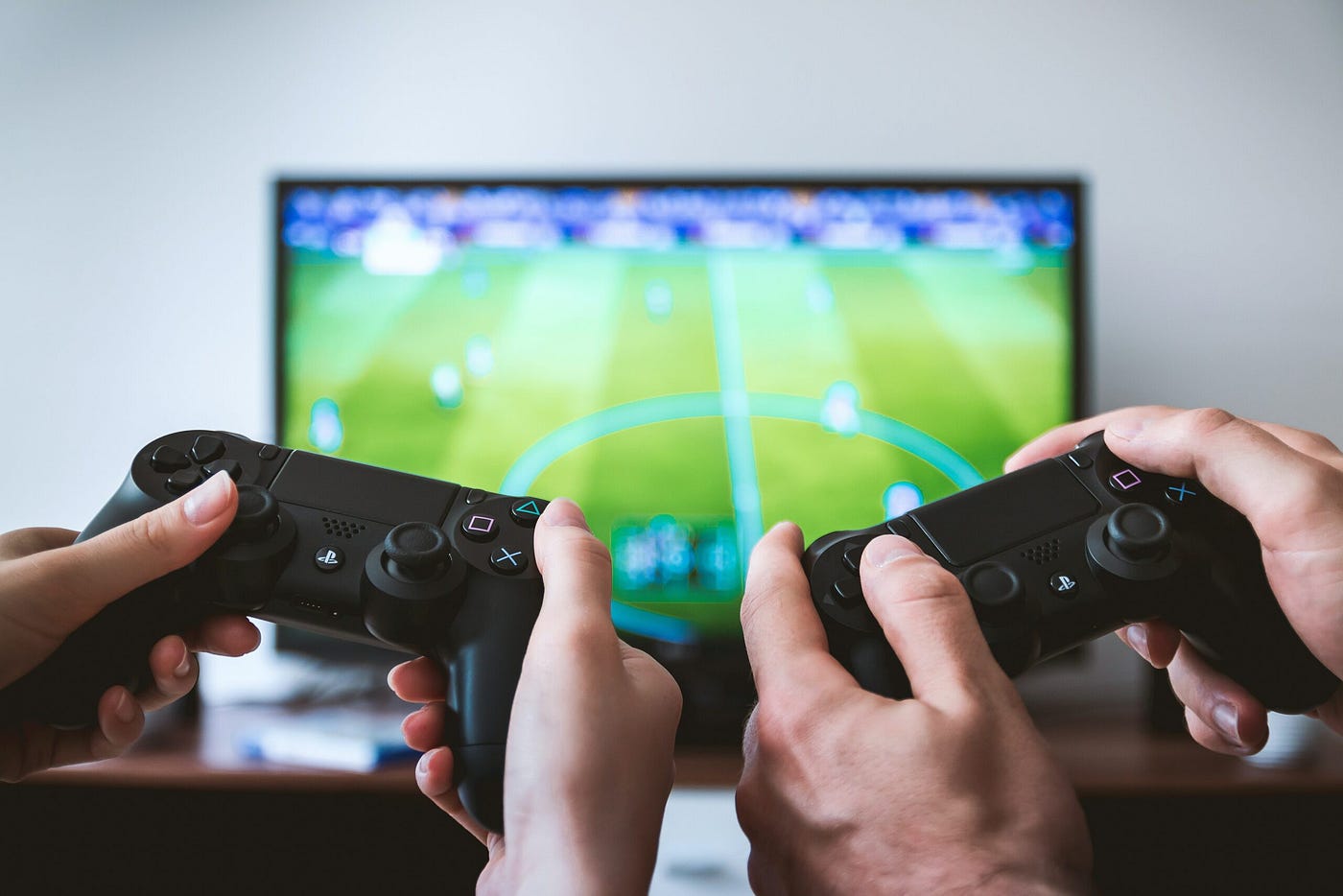
Online gaming has become a global phenomenon, captivating millions of players across various age groups and demographics. As this digital pastime continues to grow, so does the conversation around its impact on mental health. While online gaming offers numerous benefits, it also carries potential risks. This article explores both sides of the equation, examining how online gaming influences mental well-being, cognitive functions, and social interactions. Try play and login joker123 gaming.
The Benefits of Online Gaming on Mental Health
Cognitive Enhancement
Online gaming can significantly enhance cognitive abilities. Many games require players to think strategically, solve complex problems, and make quick decisions, which can improve cognitive functions such as memory, attention, and spatial reasoning. For example, puzzle games like Portal and strategy games like Civilization challenge players to think critically and develop effective strategies, boosting their cognitive skills in the process.
Stress Relief and Relaxation
For many, online gaming serves as a valuable escape from the stresses of daily life. Immersing oneself in a virtual world can provide a temporary respite from real-world pressures, allowing players to relax and unwind. Games that offer open-world exploration, such as The Legend of Zelda: Breath of the Wild and No Man’s Sky, provide expansive environments where players can explore at their own pace, reducing stress and promoting relaxation.
Social Connection and Support
Online gaming fosters social interaction and community building. Multiplayer games, in particular, create opportunities for players to connect with friends and strangers alike. Through teamwork and collaboration, players can form meaningful relationships and build supportive networks. Games like World of Warcraft and Fortnite facilitate social bonding, helping players feel connected and less isolated. Check out https://jamsosindonesia.com/.
Emotional Resilience
Gaming can also contribute to emotional resilience. Overcoming in-game challenges and achieving goals can boost self-esteem and provide a sense of accomplishment. These positive experiences can enhance emotional well-being and foster a resilient mindset. For instance, competitive games like League of Legends and Rocket League require perseverance and adaptability, skills that can translate to real-life resilience.
The Risks of Online Gaming on Mental Health
Addiction and Compulsive Behavior
One of the most significant risks associated with online gaming is the potential for addiction. The immersive and rewarding nature of games can lead some players to engage in excessive gaming, neglecting other aspects of their lives. Gaming addiction can result in detrimental effects on mental health, such as increased anxiety, depression, and social withdrawal. The World Health Organization (WHO) has recognized gaming disorder as a mental health condition, highlighting the need for awareness and intervention.
Sleep Disruption
Excessive gaming, particularly late-night sessions, can disrupt sleep patterns. Lack of sleep can have a negative impact on mental health, leading to increased stress, irritability, and cognitive impairment. Games with intense and stimulating content, such as first-person shooters and battle royale games, can make it difficult for players to wind down and achieve restful sleep.
Social Isolation
While online gaming can foster social connections, it can also contribute to social isolation if not balanced with offline interactions. Spending excessive time in virtual worlds can lead to neglect of real-world relationships and responsibilities. This isolation can exacerbate feelings of loneliness and negatively affect mental health. It is crucial for players to maintain a healthy balance between gaming and real-life social activities.
Exposure to Toxicity and Harassment
The online gaming community is not immune to toxic behavior and harassment. Players may encounter verbal abuse, bullying, and discriminatory remarks, which can have a detrimental impact on mental health. Toxic gaming environments can lead to increased stress, anxiety, and a diminished sense of self-worth. Games like League of Legends and Overwatch have taken steps to address toxicity through reporting systems and community guidelines, but it remains an ongoing challenge.
Striking a Balance: Healthy Gaming Habits
To reap the benefits of online gaming while mitigating the risks, it is essential to adopt healthy gaming habits. Here are some strategies for maintaining a balanced approach to online gaming:
Set Time Limits
Establishing clear time limits for gaming can help prevent excessive play and ensure that other responsibilities and activities are not neglected. Using tools like timers and parental controls can aid in managing gaming time effectively.
Prioritize Sleep
Maintaining a consistent sleep schedule is crucial for mental health. Avoiding late-night gaming sessions and creating a relaxing bedtime routine can promote better sleep hygiene.
Engage in Offline Activities
Balancing gaming with offline activities, such as exercise, hobbies, and social interactions, can help prevent social isolation and promote overall well-being. Physical activity, in particular, can counteract the sedentary nature of gaming and boost mental health.
Foster Positive Gaming Environments
Encouraging respectful and positive behavior within gaming communities can help reduce toxicity. Reporting abusive behavior and supporting inclusive gaming spaces contribute to a healthier and more enjoyable gaming experience.
Seek Help if Needed
If gaming begins to interfere with daily life or mental health, seeking professional help is important. Therapists and counselors can provide support and strategies for managing gaming habits and addressing underlying issues.
Conclusion
Online gaming has a profound impact on mental health, offering both benefits and risks. By understanding these effects and adopting healthy gaming habits, players can enjoy the positive aspects of gaming while minimizing potential harm. The key lies in striking a balance that promotes mental well-being and fosters a healthy relationship with gaming.
