

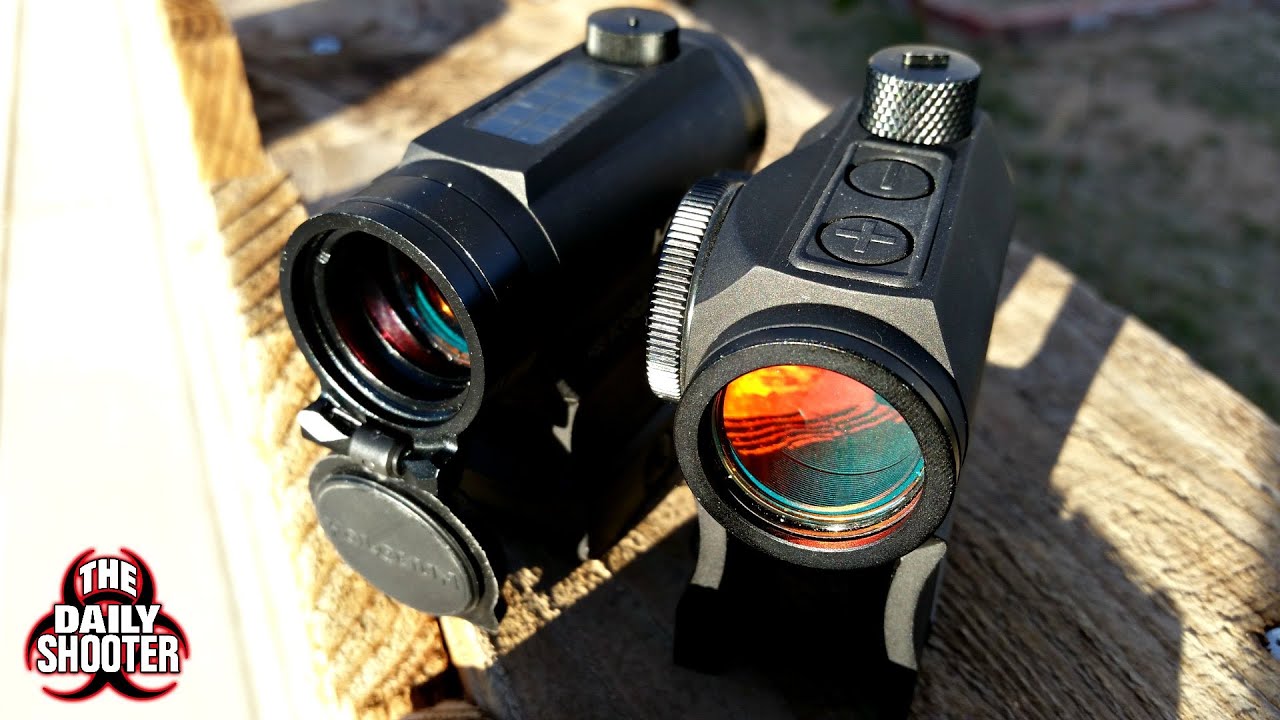
When it comes to improving accuracy and speed in shooting sports or hunting, red dot optics have become incredibly popular. If you’re new to this world, you might find the technology and terminology a bit confusing. This article will break down what red dot optics are, how they work, and why they can be a great addition to your shooting setup.
What Are Red Dot Optics?
Red dot optics are a type of sighting system that helps shooters aim more accurately. Unlike traditional iron sights, which use a front and rear sight alignment, red dot sights project a small, red dot onto a lens. This dot helps you line up your shot quickly and accurately.
These optics are widely used in various shooting activities, including hunting, competitive shooting, and self-defense. They are favored for their simplicity and speed, making them ideal for quick target acquisition.
How Do Red Dot Optics Work?
Red dot optics are built around a few key components:
- The Lens: The lens in a red dot sight is specially coated to reflect the red dot while allowing other light to pass through. This lens is typically made from glass or high-quality polymers.
- The Red Dot: The red dot itself is created by a tiny LED (Light Emitting Diode) inside the sight. The LED projects the red dot onto the lens, which you see when you look through the sight. The dot is usually adjustable in brightness so you can use it in different lighting conditions.
- The Reflex Sight System: This is the core technology behind red dot optics. The reflex sight system uses a reflective lens to project the red dot into your line of sight. Because the dot is projected onto the lens, it appears to float on the target, making it easier to aim.
Benefits of Red Dot Optics
Red dot optics offer several advantages over traditional iron sights:
- Speed: Red dot sights allow for faster target acquisition. Since you don’t need to align the front and rear sights, you can place the dot on the target more quickly. This speed is crucial in fast-paced shooting scenarios.
- Accuracy: The red dot helps you aim more precisely. With iron sights, you must align three points (front sight, rear sight, and target). With a red dot sight, you only need to place the dot on the target, which can improve accuracy, especially at longer distances.
- Ease of Use: Red dot sights are easy to use, even for beginners. They don’t require a lot of training or experience to get the hang of, making them a good choice for those new to shooting sports.
- Versatility: Red dot sights are versatile and can be used on various firearms, including rifles, shotguns, and handguns. They also work well in different lighting conditions, thanks to their adjustable brightness settings.
Types of Red Dot Optics
There are several types of red dot optics, each designed for different needs:
- Tube Sights: These are cylindrical and resemble a small telescope. They often offer better durability and more consistent performance. Tube sights are usually more robust and can withstand harsher conditions.
- Open Sights: These have a more compact design and are generally lighter. They don’t have a tube, so they’re more open, which can make them quicker to acquire a target. However, they might not be as durable as tube sights.
- Reflex Sights: These are a subset of open sights and are known for their simplicity and wide field of view. Reflex sights are often used in competitive shooting and hunting due to their fast target acquisition.
Choosing the Right Red Dot Optic
When selecting a red dot optic, consider the following factors:
- Purpose: Think about what you’ll be using the optic for. Different types are better suited for different applications, whether it’s hunting, target shooting, or self-defense.
- Size and Weight: Red dot sights come in various sizes. Larger sights might offer better clarity but can add weight to your firearm. Smaller sights are lighter and more compact, which can be advantageous for handheld weapons or when space is limited.
- Mounting: Ensure that the optic you choose is compatible with your firearm. Some red dot sights come with mounting hardware, while others might require additional accessories.
- Battery Life: Check the battery life of the sight. Some red dot optics have long battery lives, while others might need frequent battery changes. Consider how often you’ll be using the sight and choose accordingly.
- Durability: Look for an optic that is built to last. It should be able to withstand recoil, harsh weather conditions, and rough handling. Durable optics will perform better in challenging environments.
Using Your Red Dot Optic
Once you have your red dot sight, it’s time to learn how to use it effectively. Here are some tips:
- Proper Alignment: Make sure the red dot is properly aligned with your eye. The dot should float on the target without having to adjust your head position. This alignment will help you aim quickly and accurately.
- Brightness Adjustment: Adjust the brightness of the red dot according to the lighting conditions. In bright sunlight, you might need a brighter setting, while in low light, a dimmer setting will be more appropriate.
- Practice: Like any other shooting skill, using a red dot sight effectively requires practice. Spend time at the range to get comfortable with the sight and improve your accuracy.
- Regular Maintenance: Keep your red dot sight clean and in good condition. Regularly check for any signs of damage or wear, and make sure the batteries are fresh to avoid any interruptions in performance.
Conclusion
Red dot optics can significantly enhance your shooting experience by improving speed, accuracy, and ease of use. Whether you’re a beginner or a seasoned shooter, understanding how red dot sights work and how to choose the right one for your needs can make a big difference in your performance. By following the tips and considerations outlined in this article, you’ll be well on your way to mastering the use of red dot optics and enjoying a more accurate and efficient shooting experience.
