

Table of Contents
- Importance of a Well-Paved Driveway
- Materials for Durable Residential Paving
- Preparation and Planning
- Step-by-Step Guide to Paving Your Driveway
- Common Mistakes to Avoid
- Maintenance Tips for Longevity
- Cost Estimation for Residential Paving
- Choosing the Right Contractor
Importance of a Well-Paved Driveway
A well-paved driveway not only enhances the curb appeal of your home but also provides a safe and durable surface for vehicles and foot traffic. According to a study by Angi, homes with well-maintained driveways tend to have a higher resale value. This makes investing in quality paving a wise decision for homeowners. Furthermore, eco-friendly concrete driveway options can offer both sustainability and durability for your residential paving needs. A well-planned driveway can also reduce erosion and manage surface runoff, contributing positively to your property’s overall health.
Materials for Durable Residential Paving
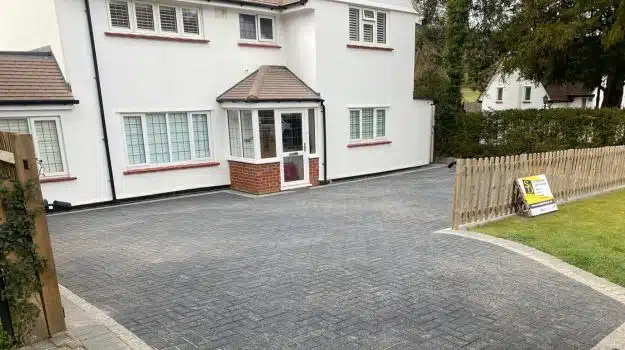
Paving materials exist in a variety of forms, each having advantages of its own. Asphalt, concrete, and interlock paving stones are the most popular choices. Asphalt is cost-effective and quick to install, making it a favorite for many homeowners. However, concrete offers extreme durability and a clean aesthetic that can last for decades with proper maintenance, as discussed in For Construction Pros. Interlock paving stones, on the other hand, provide a customizable look with a high durability rating. These stones are particularly useful for areas with heavy foot and vehicle traffic and offer the added benefit of easy repairs since individual stones can be replaced without disturbing the surrounding areas.
Preparation and Planning
Any paving project’s success depends on careful planning. Start by measuring the area and deciding on a material that best suits your needs. Additionally, consider factors such as drainage and local climate when planning your project. It’s wise to consult a professional to get insights tailored to your specific situation. A well-planned project can provide a more efficient building process by saving time and money. Environmental factors should be considered as well, such as the effects of permeable pavement solutions, which permit water to pass through while lowering runoff and encouraging the recharging of groundwater.
Step-by-Step Guide to Paving Your Driveway
- Excavation: Remove any existing material and excavate to the required depth. This step eliminates the old or damaged surface and creates a foundation for the new material.
- Base Preparation: Lay a strong base with crushed stone or gravel. A solid base ensures the longevity of the driveway by providing stability and drainage.
- Edging: Install edging to maintain the shape of the driveway. Edging materials can include stones, bricks, or metal, which help contain the paving materials and prevent spreading.
- Paving: Lay the selected paving material meticulously to ensure evenness and proper alignment. This requires a steady hand and may involve cutting the material to fit the area perfectly.
- Compacting: Use a compactor to ensure the surface is firm and even. Compacting helps to eliminate air pockets and creates a denser, more durable surface.
- Sealing: Apply a sealant if necessary to protect the surface from elements. Sealing adds a protective layer against weather conditions, oil spills, and other potential damages.
Common Mistakes to Avoid
Many homeowners make avoidable mistakes, such as neglecting proper drainage or failing to compact the base material adequately. These errors can lead to issues like puddling and premature cracking. Following best practices and consulting experts can help you avoid these pitfalls. Your driveway’s lifespan can be increased and future repair expenditures can be avoided by paying close attention to details in the beginning. Additionally, selecting inferior materials to cut costs can compromise the integrity of the driveway. Always opt for high-quality materials suited to your specific needs and environmental conditions.
Maintenance Tips for Longevity
Regular maintenance like sealing cracks and cleaning the surface can extend the life of your driveway. In colder climates, timely snow removal and the use of proper de-icing agents can prevent damage. Regular inspections can assist in locating and resolving small concerns before they worsen. With consistent upkeep, you can keep your driveway looking new and functional for years to come. Seasonal checks and preventive measures are especially important to cope with varying weather conditions and to avoid the cumulative impact of minor damages over time.
Cost Estimation for Residential Paving
The cost of paving a driveway can vary widely depending on the material and complexity of the job. Asphalt is typically the most economical, ranging from $3 to $7 per square foot. Concrete can be more expensive, usually between $5 and $10 per square foot, while interlock paving stones can range from $8 to $15 per square foot. It’s important to get multiple quotes and factor in long-term maintenance costs as well. Additional considerations may include the cost of excavation, drainage solutions, and any custom design elements that could add to the overall expense.
Choosing the Right Contractor
The success of the paving job depends on selecting a reliable contractor. Look for someone with a completed work portfolio and good reviews. Don’t hesitate to ask for references and make sure they are licensed and insured. A good contractor will guide you through the process, ensuring your driveway is both functional and aesthetically pleasing. Take your time to research and make an informed decision to guarantee the best results for your paving project. Consult with friends and neighbors who have completed successful jobs for suggestions, and interview the contractor to determine their level of professionalism and experience.
