

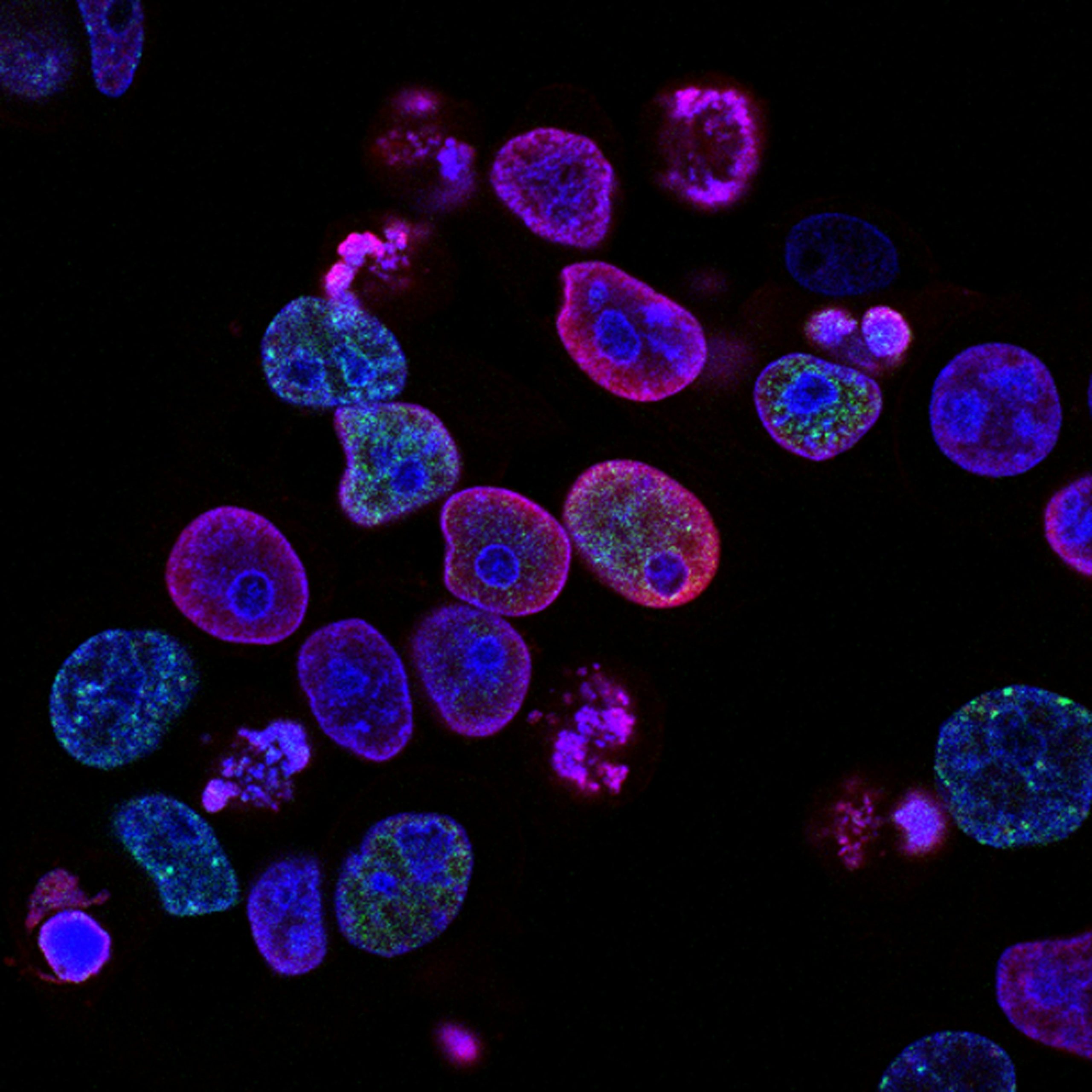
Stem cell therapy is gaining recognition as a groundbreaking approach to counteract aging by rejuvenating and repairing tissues. Research, such as that conducted by Stelios Andreadis at the University at Buffalo, indicates that the NANOG gene can reprogram old stem cells. This reprogramming potentially boosts the therapy’s efficacy. This treatment utilizes the body’s natural regenerative abilities to reduce the impacts of aging, making it a promising field for future exploration.
In this article, we’ll explore how stem cell therapy, supported by emerging evidence, can potentially reverse age-related deterioration.
Knowing About Stem Cells
Stem cells are exceptional cells that can differentiate into many different types of specialized cells. They function as the body’s repair mechanism and can rebuild damaged tissues. Stem cells replenish cells in different organs and tissues.
Types include embryonic, adult, and induced pluripotent stem cells (iPSCs), each with distinct properties. In anti-aging therapy, stem cells’ regenerative potential promotes tissue repair and renewal. This makes them a powerful tool in reversing visible signs of aging.
Are there ethical concerns regarding the use of embryonic stem cells?
Yes, ethical concerns exist about using embryonic stem cells, mainly due to embryo destruction. Critics argue this involves moral issues related to embryos’ status and rights. Proponents emphasize the potential for significant medical breakthroughs and the importance of strict ethical guidelines to ensure responsible research practices.
The Science Behind Aging
Aging is a complex biological process influenced by genetic mutations, cellular damage, and environmental factors. Over time, the body’s ability to repair and regenerate tissues diminishes. This leads to visible signs like wrinkles, loss of skin elasticity, and declining organ function.
ResearchGate states cellular senescence, where cells change increased size, oxidative stress, and inflammation due to DNA damage. Studies using 3D scaffolds, compared to 2D cultures, show that scaffold design affects cellular senescence. Changes in cell size and senescence induction vary with scaffold stiffness and architecture, highlighting how cellular interactions influence aging processes.
Cellular senescence, oxidative stress, and stem cell depletion significantly contribute to aging. Understanding these mechanisms is crucial for developing effective anti-aging therapies. Targeting and mitigating these underlying causes is essential.
How Stem Cell Therapy Can Address Aging
Stem cell therapy addresses aging by replenishing and repairing damaged tissues. It enhances the body’s natural regenerative processes. Stem cells can proliferate into diverse cell types, which can replace damaged or old cells.
Additionally, they release cytokines and growth factors that aid in tissue renewal and repair. By targeting aging’s root causes at the cellular level, stem cell therapy offers a promising approach. Stem cell therapy for skin rejuvenation uses stem cells to repair and regenerate skin tissues. It aims to reduce wrinkles, enhance skin elasticity, and improve texture. By stimulating natural repair processes, stem cells restore a youthful appearance and address aging signs.
This method is becoming popular for offering more natural and lasting results than traditional treatments. It enhances skin and promotes hair growth, offering a biological alternative to painful, invasive procedures with extended recovery times, suggests Beyond CellCare.
Are there any limitations to what stem cell therapy can achieve in anti-aging?
Stem cell therapy has limitations in anti-aging because aging involves complex, gradual changes in the body’s regenerative abilities. As we age, stem cell frequency and function decline, affecting tissue regeneration in joints and blood vessels. While stem cell therapy can help, it may not fully address the multi-faceted nature of aging or completely restore lost functions.
Applications of Stem Cell Therapy in Anti-Aging
Stem cell therapy has numerous applications in anti-aging treatments. These include skin rejuvenation, hair restoration, and joint repair. In skin care, stem cells reduce wrinkles, improve elasticity, and promote a youthful complexion. Hair restoration treatments use stem cells to stimulate growth and combat thinning.
Stem cell therapy treats age-related conditions like osteoarthritis by regenerating cartilage and reducing inflammation. These applications highlight stem cells’ versatile potential in addressing aging signs.
Stem cell therapy shows potential for age-related cognitive decline, but research is still developing. Studies suggest stem cells might aid neuronal repair and regeneration. However, more research is necessary to confirm their effectiveness, safety, and long-term benefits for cognitive function.
Clinical Evidence and Studies
Clinical studies show promising results for stem cell therapy in anti-aging. Research demonstrates significant improvements in skin texture, elasticity, and overall appearance. In patients with age-related osteoarthritis, stem cell therapy reduced pain and improved joint function.
NCBI states clinical studies show promise for stem cell therapies, but significant challenges remain. Basic research on stem cells, such as ADSCs, is insufficient, and issues like apoptosis after transplantation persist.
Ethical and legal restrictions on ESCs, potential tumorigenicity from iPSCs, and immune rejection are major obstacles. Extensive research is needed before stem cell therapies can become widely available and effective.
Ongoing research aims to understand long-term effects and optimize treatment protocols. While more studies are needed to establish standardized approaches, existing evidence supports stem cell therapy’s potential as an effective anti-aging intervention.
The Procedure and What to Expect
The stem cell therapy procedure typically involves harvesting stem cells from the patient’s body. These cells are often taken from adipose tissue or bone marrow. They are then processed and injected into targeted areas requiring rejuvenation.
The procedure has little downtime, is typically done as an outpatient, and is minimally invasive. Over several weeks to months, patients can anticipate progressive changes in the elasticity, texture, and general appearance of their skin. In order to sustain and improve results, follow-up sessions could be suggested.
Risks and Considerations
Infection is a major risk early after a stem cell transplant due to low white blood cell count and weakened immune system. Although bacterial infections are the most frequent, fungal and viral infections can also happen. Until the bone marrow starts generating fresh white blood cells—which are vital for combating infections—the danger is still very high.
According to Cancer.gov, high-dose chemotherapy or radiation is part of the stem cell transplant procedure, which is followed on “day zero” by the infusion of stem cells. Recovery begins as new blood cells are produced, with frequent blood count monitoring.
Autologous transplants necessitate many months for immune system recovery. Allogeneic or syngeneic transplants take even longer, with recovery taking 1 to 2 years, presenting ongoing risks and considerations.
Reversing the Aging Clock
Stem cell therapy is a promising approach for reversing the signs of aging. By leveraging the body’s regenerative abilities, this treatment can rejuvenate skin, repair tissues, and restore youthful organ function.
While current evidence supports its effectiveness, ongoing research is crucial to fully understand its long-term benefits and potential risks. As technology evolves, stem cell therapy might become a key player in anti-aging treatments.
