

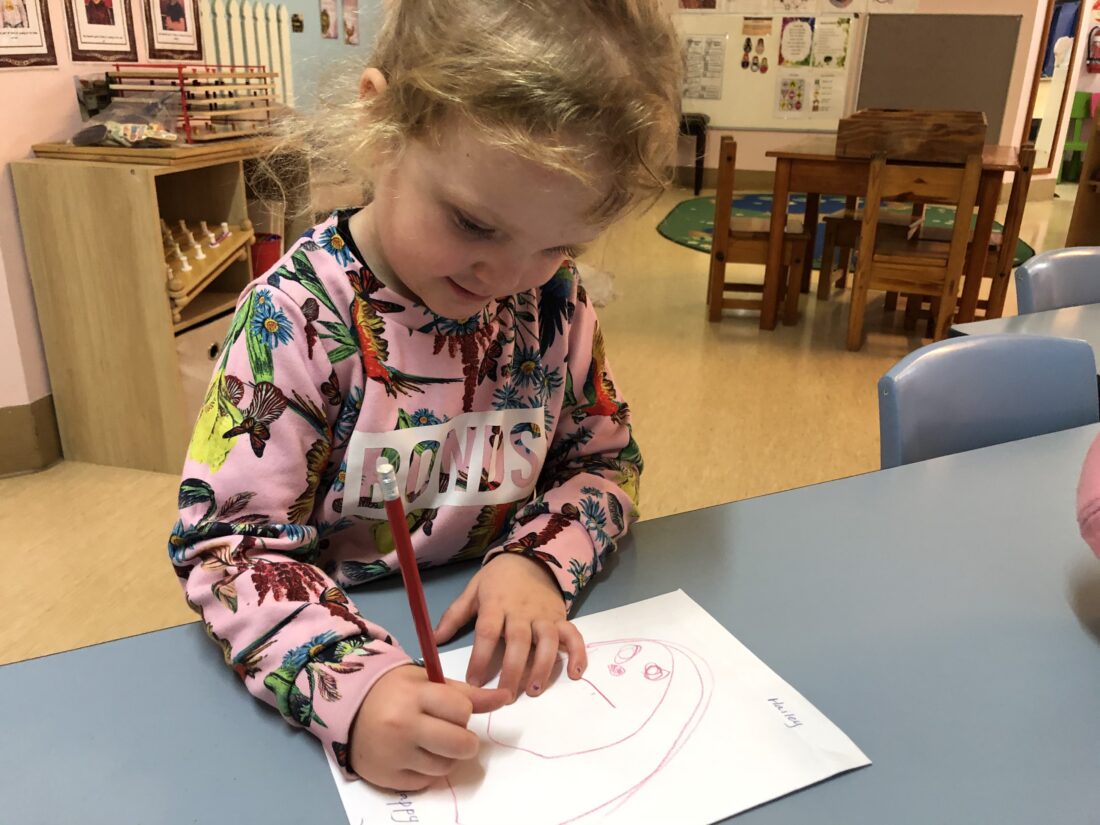
In the realm of kids’ artwork, what may appear as a chaotic array of colors and shapes is, in reality, a rich tapestry woven with the threads of imagination, emotion, and the unspoken language of creativity. In this blog, we embark on a journey to decode the intricate stories hidden within the seemingly simple strokes, unraveling the profound narrative that children express through their art.
- **The Visual Vocabulary of Scribbles:**
Scribbles, often dismissed as random markings, are the building blocks of a child’s visual vocabulary. These seemingly haphazard lines are a child’s initial attempt to communicate through art. As parents and educators, decoding these early scribbles unveils the beginning of a unique language that evolves and matures over time.
- **Emotional Landscapes on Paper:**
canvas prints serves as an emotional landscape on paper. The choice of colors, the intensity of strokes, and the placement of elements all convey a myriad of emotions. A seemingly simple drawing of a sun and clouds may reflect joy, while dark colors and jagged lines might be a window into a moment of frustration or sadness. Understanding this emotional language allows adults to connect more deeply with a child’s inner world.
- **Narratives in the Details:**
As children grow, so does the richness of detail in their artwork. Beyond the initial scribbles, each stroke becomes deliberate and purposeful. Stories unfold in the details—the carefully drawn family, the specific placement of objects, or the inclusion of minute elements that hold personal significance. These details become the characters and plot points in the stories children tell through their art.
- **Symbols and Metaphors:**
Kids Art on wall is often filled with symbols and metaphors, acting as a visual language that communicates ideas beyond the literal. A tree may represent growth and stability, a rainbow could signify hope, and a winding path might convey the journey of life. Deciphering these symbols provides insights into a child’s evolving worldview and understanding of abstract concepts.
- **The Evolution of Artistic Identity:**
Children’s artwork is a reflection of their evolving artistic identity. From mimicking what they see in the world around them to experimenting with various styles, kids’ art evolves as they discover their own unique voice. Recognizing and celebrating this evolution fosters a sense of pride in their artistic abilities, contributing to the development of a positive self-image.
- **Shared Narratives in Collaborative Art:**
Collaborative art projects among children weave shared narratives. When multiple young artists contribute to a single piece, they collectively tell a story. This collaborative storytelling not only strengthens social bonds but also fosters an understanding of diverse perspectives and the joy of shared creation.
Kids’ artwork is a language, a profound means of communication that transcends spoken words. By delving into the intricate stories woven within their kangaroo drawings and paintings, we gain a deeper appreciation for the richness of their inner worlds. As adults, let’s become artful storytellers ourselves, fluent in the language of kids’ artistry, and celebrate the beauty of the tales they tell through their creative expressions.
